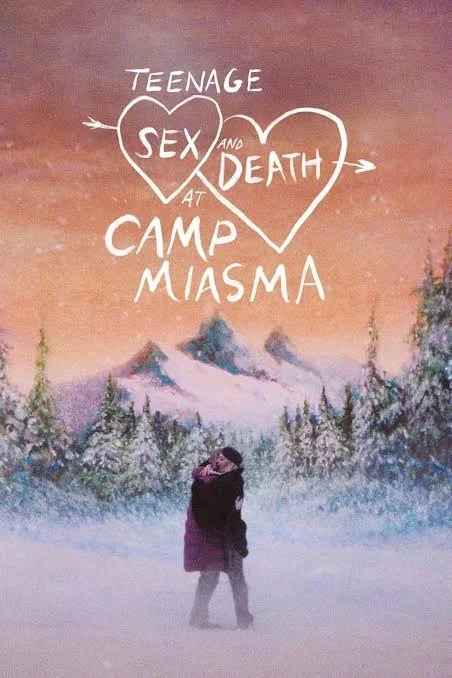
Schoenbrun’s Killer New Film: “Teenage Sex and Death at Camp Miasma”
Spoilers for “Teenage Sex and Death at Camp Miasma” ahead!
If you identify with any letter in LGBTQ, you have probably already seen Jane Schoenbrun’s ““I Saw the TV Glow”. The 2024 film is considered a modern classic, inspiring many with its visuals and story of trans self-discovery.
…….I have not seen it.
I’m not against anything portrayed in “I Saw the TV Glow” and I actually think I’d quite like it, I just never saw it in theaters and then never got around to watching it. What I had seen was a trailer for “Teenage Sex and Death at Camp Miasma” before several other movies I’ve seen this year and it almost immediately piqued my interest. I mean, Hannah Einbender and Gillian Anderson as lesbians in a campy horror movie seems like it was made for me.
So, last week I made my partner go to our local indie theater to see one of my most anticipated movies of the year.
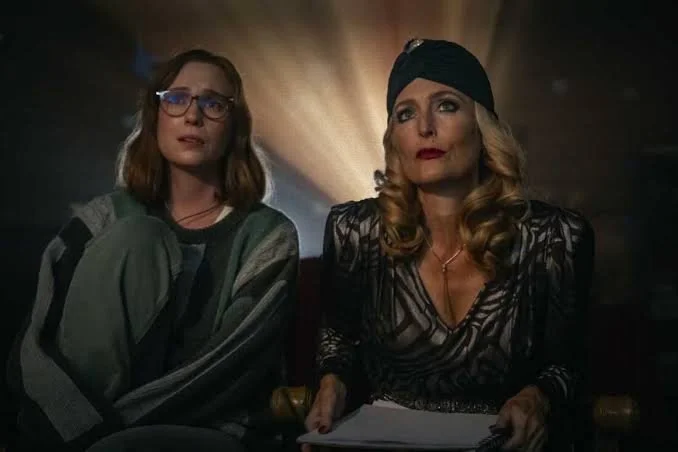
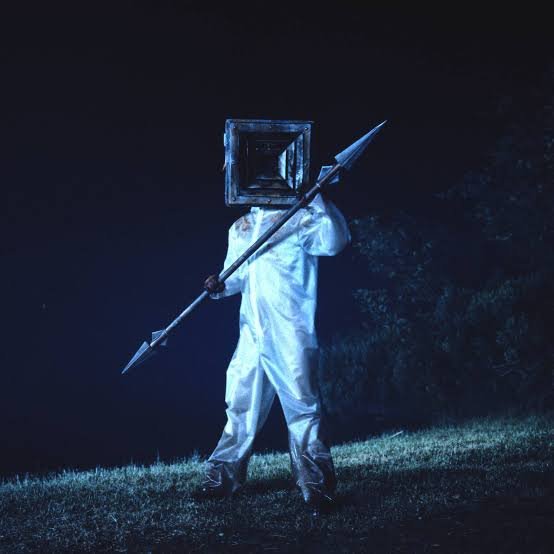
The premise: Kris (Einbinder) is an up-and-coming movie director who is given directing power over the 80’s fictional “Camp Miasma” franchise. The franchise’s legacy is marred by shoddy sequels and the transphobic backstory of the villain, Little Death (Jack Haven). In spite of this, Kris is a huge fan of the franchise and an even bigger fan of the mysterious Billy, the final girl of the first film (Anderson). In order to build her vision of the revival, Kris goes to meet Billy and that’s where the film picks up.
Now, if you’re a horror junkie, I will say that this is not a horror movie. It’s a lesbian romance about horror movies, Little Death is not truly going to kill our protagonists. The highest kill count comes from the film-within-the-film framing of the in-universe “Camp Miasma film” and from the faux slasher ending where figures in Kris’ life are all killed off. Despite this, you can really tell that Schoenbrun loves a slasher film, as this movie satirizes so many elements of the genre.
This movie plays with its themes of sexual repression and desire, exploring how the fantasy of being the final girl makes Kris feel desirable. The climax of the film hits while Kris is trying to “get there,” as Billy instructs her to imagine herself being hunted by Little Death while they have sex. The tension of the movie is sexual, subverting the tension horror films usually bring as the slasher takes down its victim. The protagonists are not working to take down Little Death, but rather, connect with him so they can connect with their own sexualities. Little Death slays the two of them in bed but it’s not a physical death, rather the death of their shame around their sexuality. The two women wake up together and go to the convenience store in their bloody “walk of shame” outfits.
The film is heady and cerebral at times, though it’s contrasted by moments of levity such as conversations regarding gummy candy and fried chicken. Not to mention the visual quality of the film, which was shot on 35 mm. I love movies that are shot on film, says me and every other film bro on earth. But in a movie which pulls so much from 80’s slasher franchises, the warmth and slight fuzz from the film grain further connects “Camp Miasma” with its inspirations.
“Camp Miasma” is a movie that I feel can be read through so many lenses. In fact, almost everyone I’ve spoken to has said that they felt the film was about them. This movie is a lot of things- it’s satirical, it’s surreal, it’s psychological, it’s trans, it’s lesbian, and most of all it’s so freaking good. If you have a chance to see this in theaters, don’t be like me with “I Saw the TV Glow”. Go see it, if not for this review, then for its immaculate Counting Crows needle drop.