10.24.27 - Austin, TX
There is something special about a band coming home. The familiar faces in the crowd, the friends and family who have been there since the beginning, and the people who watched from the sidelines, believing in the possibility of a moment like this long before it arrived. On a night in Austin, Culture Wars turned that feeling into something tangible, filling the room with an energy that feels less like a concert and more like a celebration of everything that brought them there.
But before the hometown boys took the stage, Dallas-based indie rock trio Softly had a room full of people ready to make some noise.
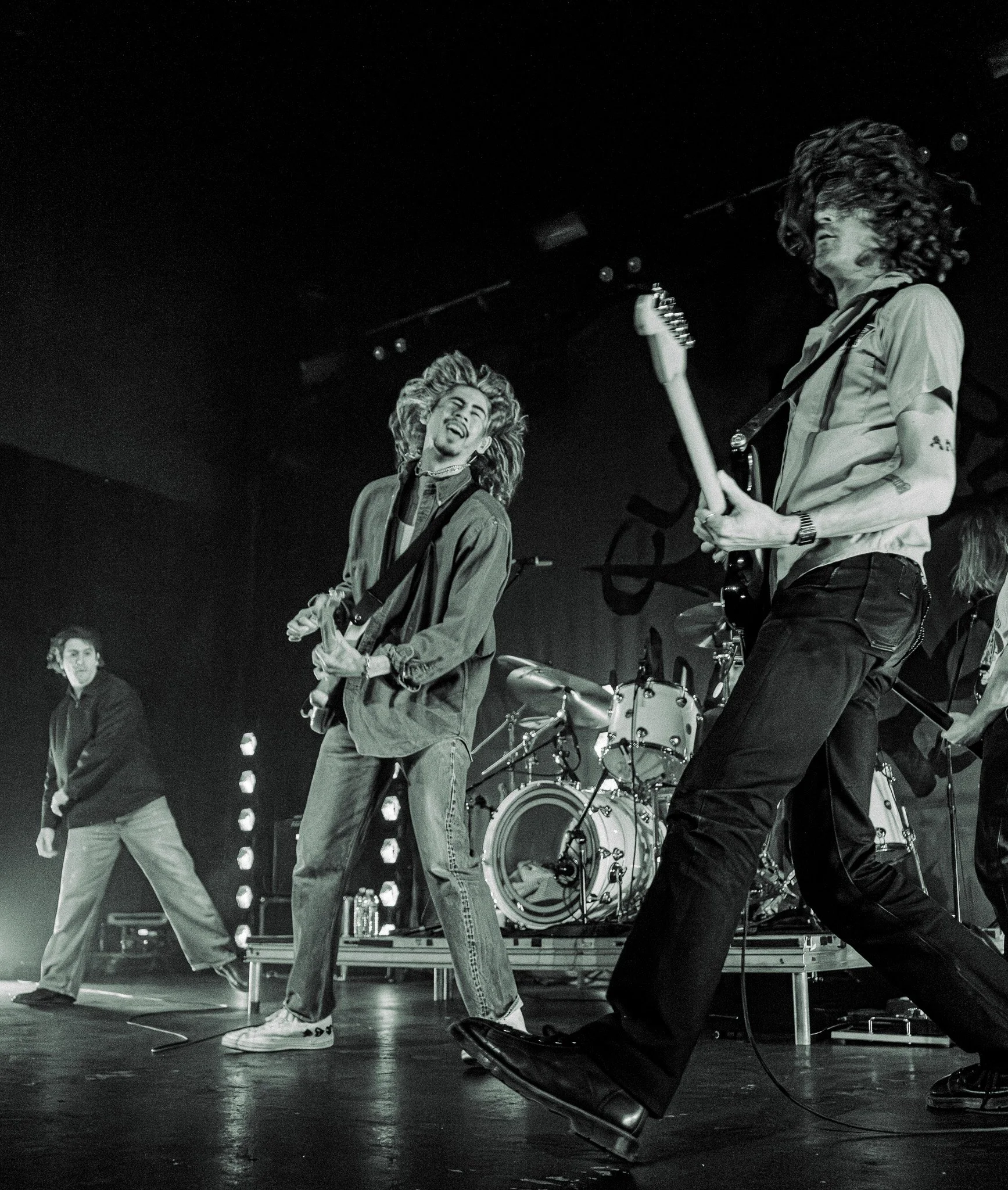
Softly were welcomed by a crowd that had already begun gathering toward the front, ready to give the openers their attention and help set the tone for the night. The trio wasted little time getting the room involved, encouraging the audience to build up their cheers and count them into a roar for Culture Wars. With every song, the response grew louder. Fans toward the back swayed and head-banged along, while those closer to the stage made sure the band knew they had their attention.
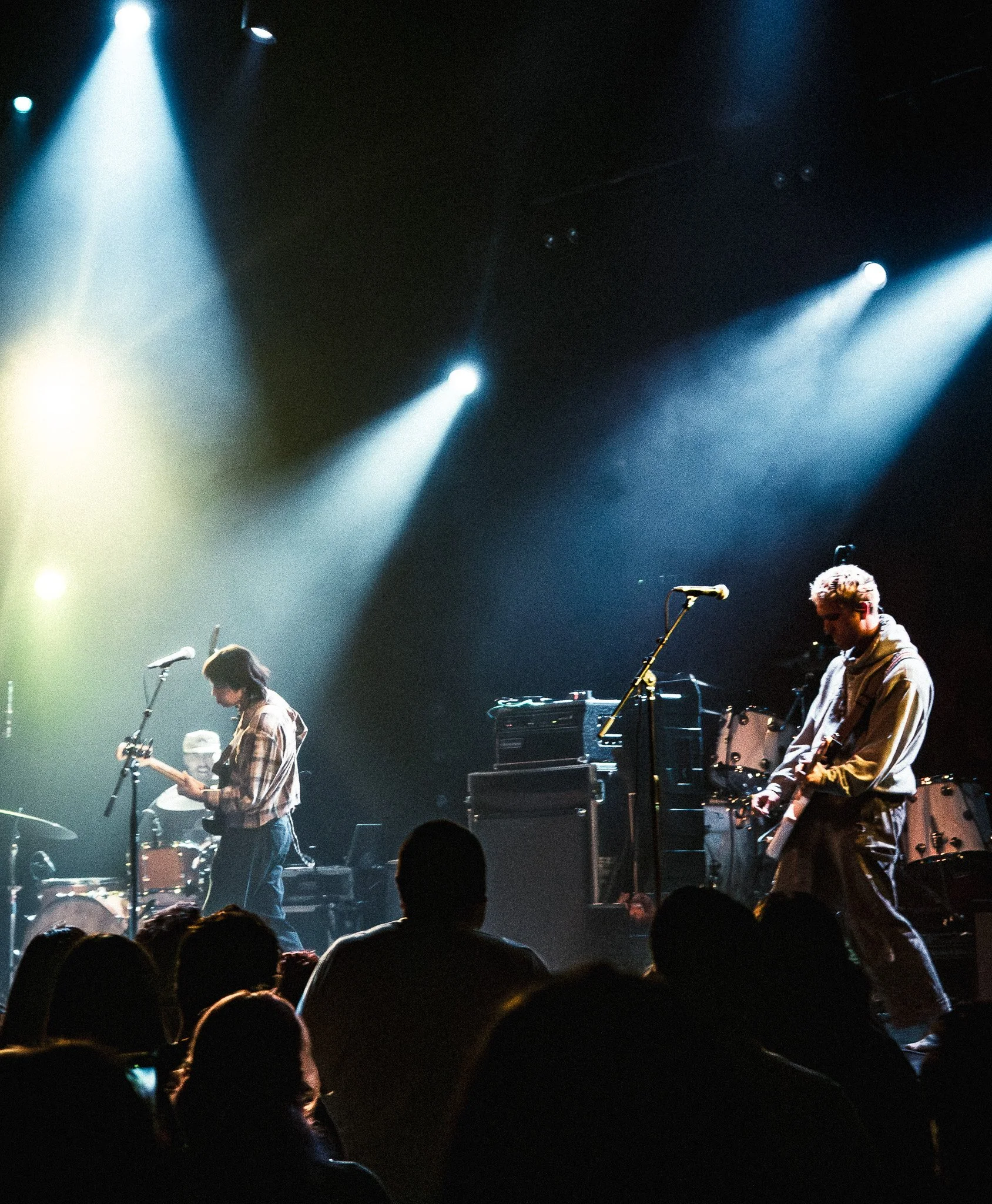
Photo by DeAnna Garza - @shotbydeanna
The group’s chemistry was easy to spot, particularly in the way the lead singer shifted between sharing energy with the drummer and lead guitarist. When the guitarist launched into a solo, the room answered with a burst of noise that seemed to catch fire all on its own. By the time Softly announced their final song, the crowd responded with boos at the thought of the set ending so soon, a fitting reaction for a band playing its first show in Austin. When the final notes rang out, the trio received an enthusiastic round of cheers, with fans eager to catch the picks and drumsticks tossed their way.
Softly had done more than warm up the room. They had helped build the anticipation, giving the audience another reason to make the night count before the headliners even arrived.
When the clock struck 9:15 pm, the lights dimmed, and the response was immediate. The room erupted.
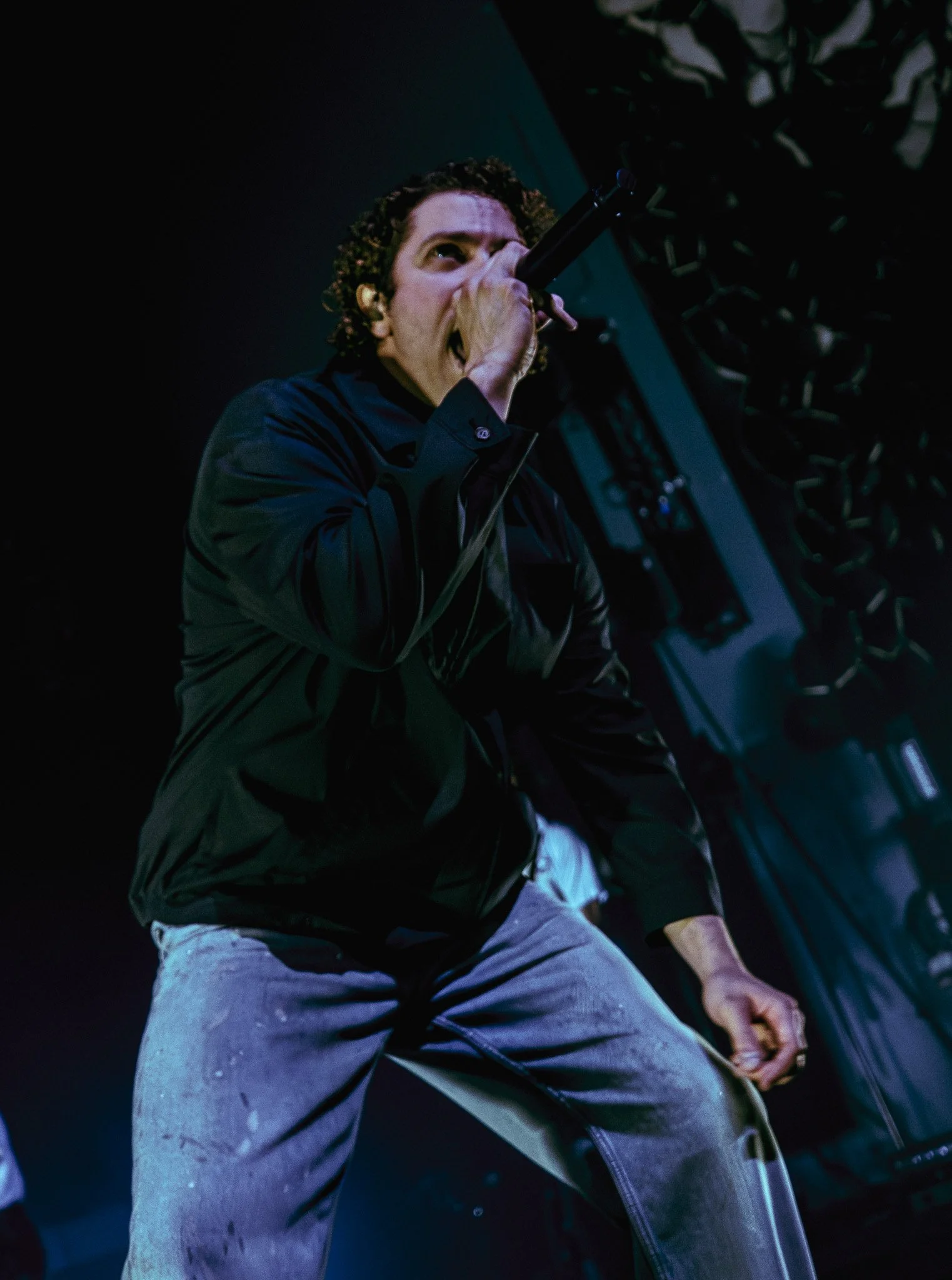
Culture Wars, Austin’s own five-piece indie rock band, had arrived home, and the audience made sure they felt it from the very first moment. The opening notes of “Bittersweet” launched the set into motion, met by a crowd that seemed determined to make every second count. Girls screamed, guys cheered, and people danced wherever they could find the space. Friends stood together, families watched proudly, and solo concertgoers found themselves surrounded by the same collective excitement. There was no single type of person in the room, just a shared understanding that everyone had come for the same reason: to experience something that felt bigger than an ordinary night out.
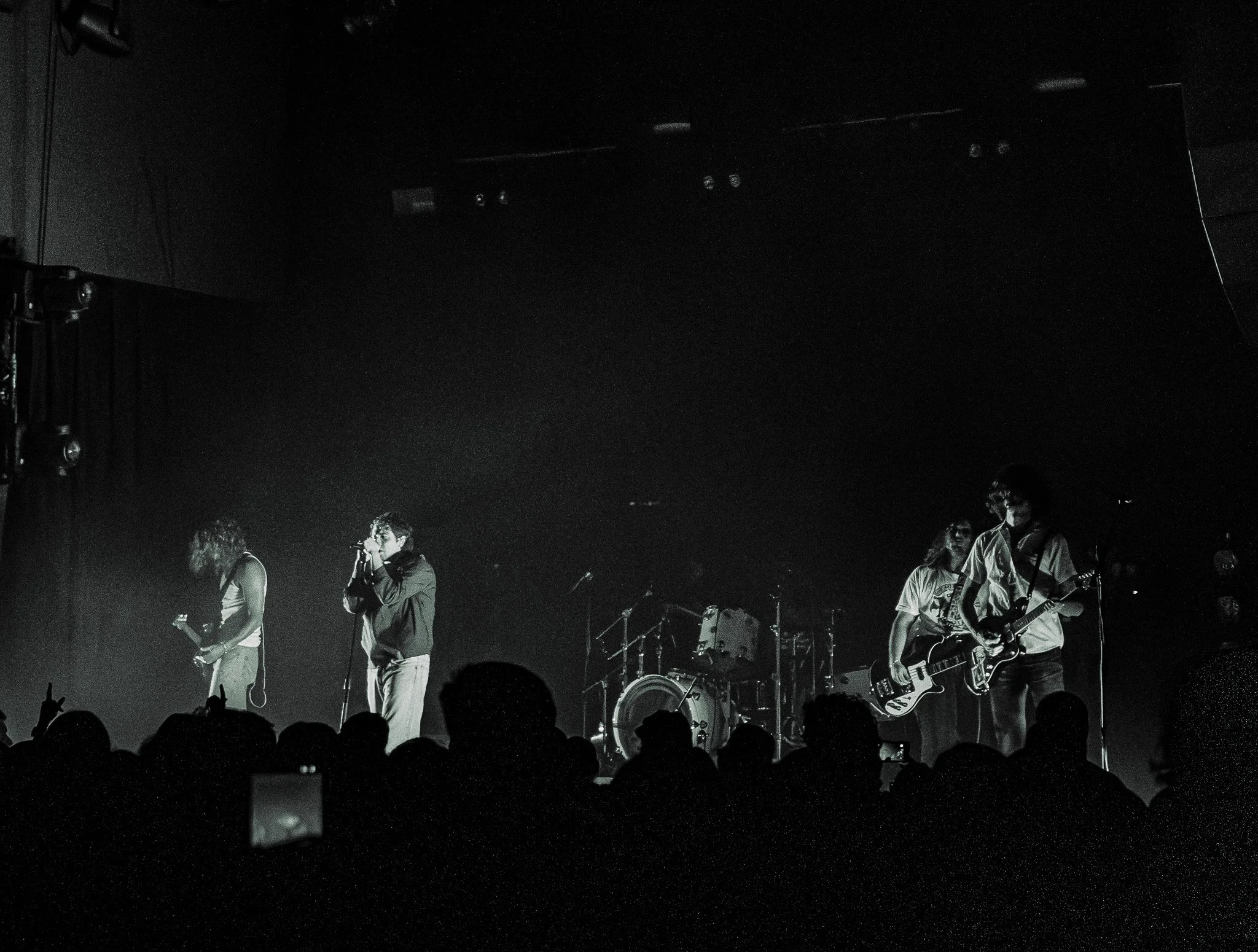
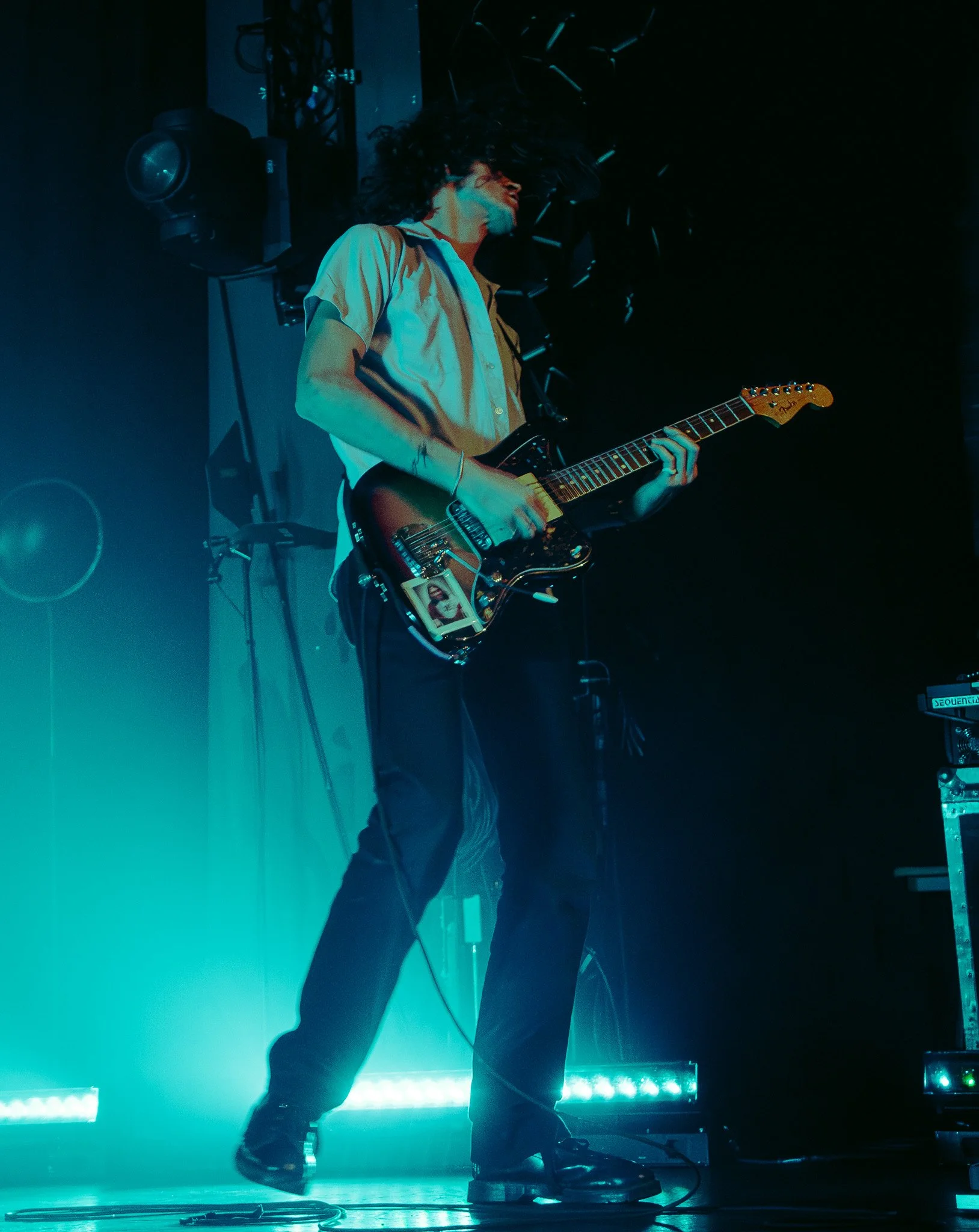
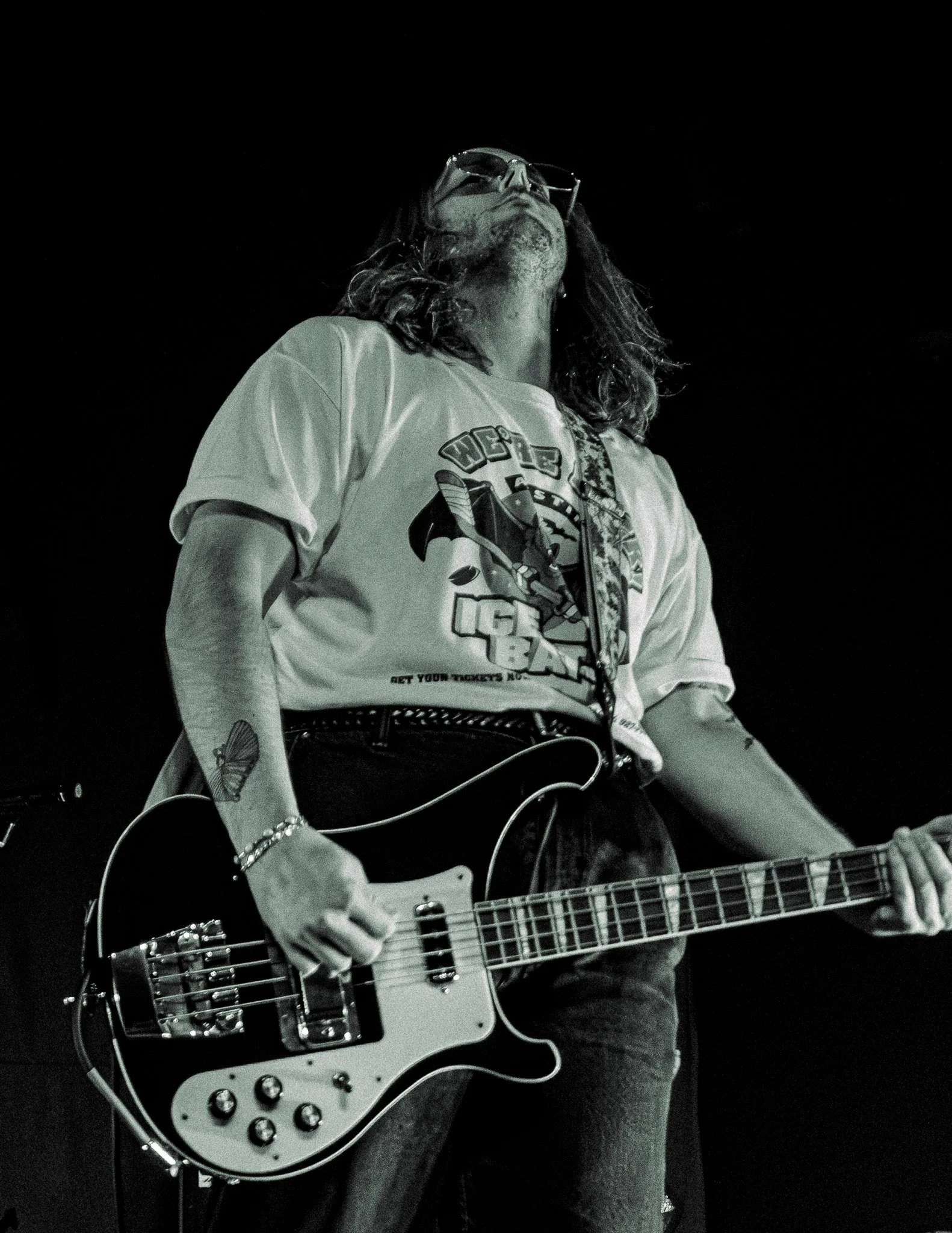
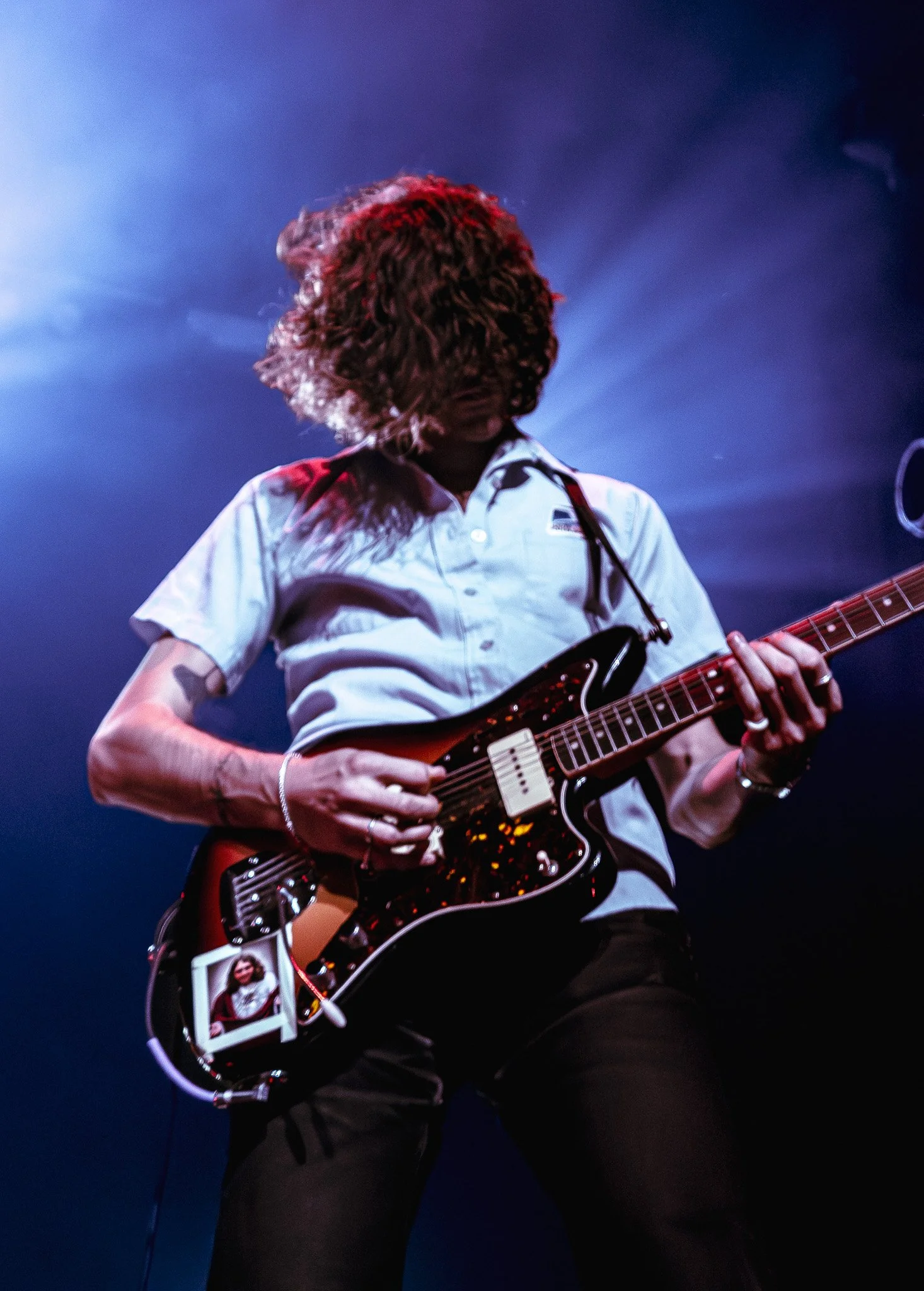
Photo by DeAnna Garza - @shotbydeanna
The energy never belonged to the band alone. It moved back and forth between the stage and the audience, growing with every song, every greeting, and every acknowledgement exchanged between them. Culture Wars took time between tracks to talk to the crowd, making the size of the moment feel less important than the people sharing it. Their stories and teasing gave the show an intimacy that could easily disappear in a larger room, while the audience’s enthusiasm made it clear that no one was interested in holding anything back.
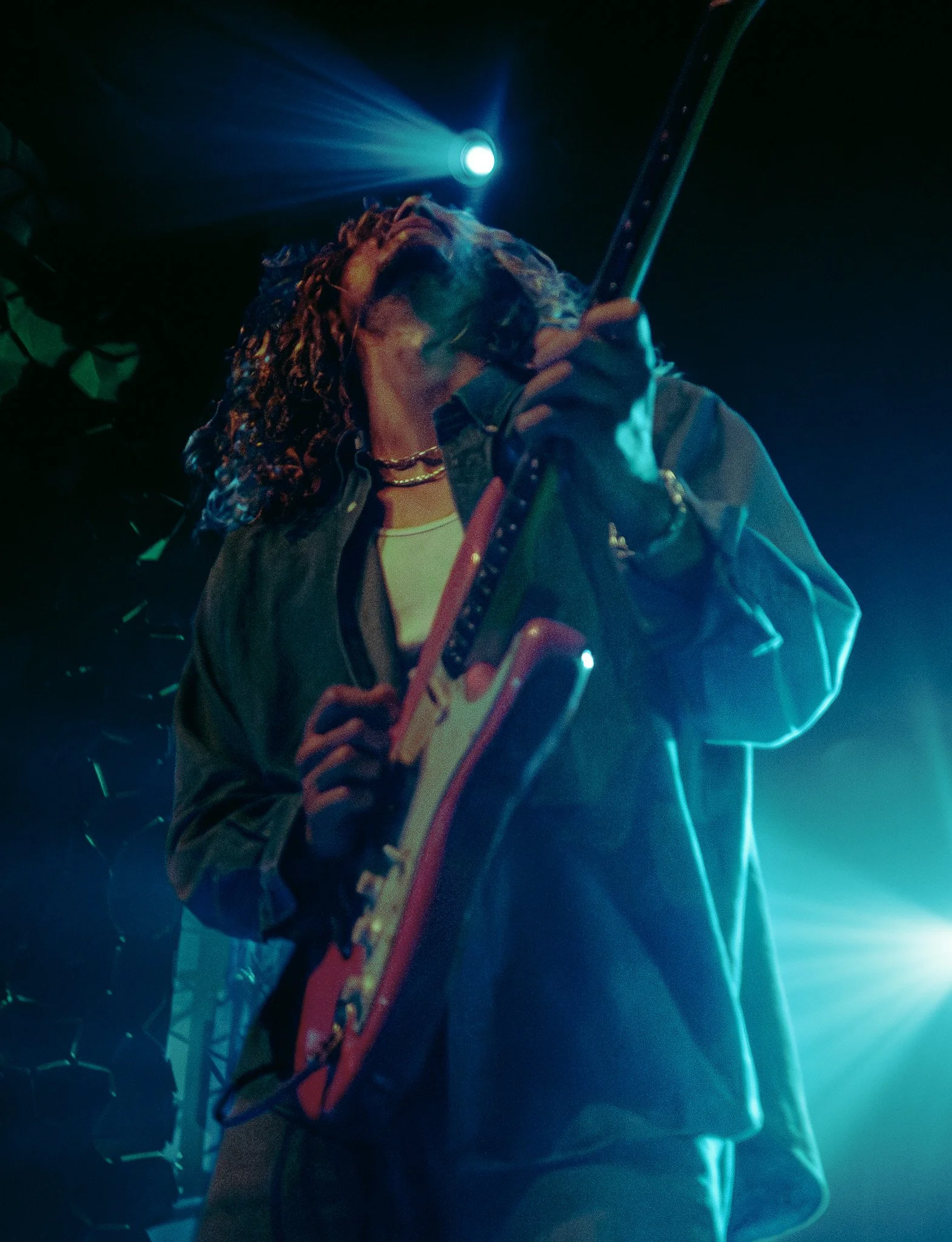
There was the story behind the song about Miley Cyrus, born out of a time the band had spent together, drunk, in 2020. There was the running joke about Caleb’s shirt coming off earlier with every show. There were the solos that sent the crowd screaming during their song "(Tokyo)," with whistles cutting through the noise, devil horns held high, and bodies moving in every direction. Even the quieter moments carried their own kind of electricity. When the band slowed things down, the screams became some of the loudest and longest of the entire night, as if the audience understood that these moments deserved just as much enthusiasm as the explosive ones.
And then came “Don’t Speak.”
The response was immediate and deafening. The band barely had to work to get the room involved, but when the guitarist shouted, “Come on, Austin,” the chorus became a full-room singalong. Voices rose together, turning the song into something that belonged to everyone present. It was the kind of moment that reminds you why live music matters: not simply because of what a band can do onstage, but because of what happens when hundreds of people feel the same thing at once.
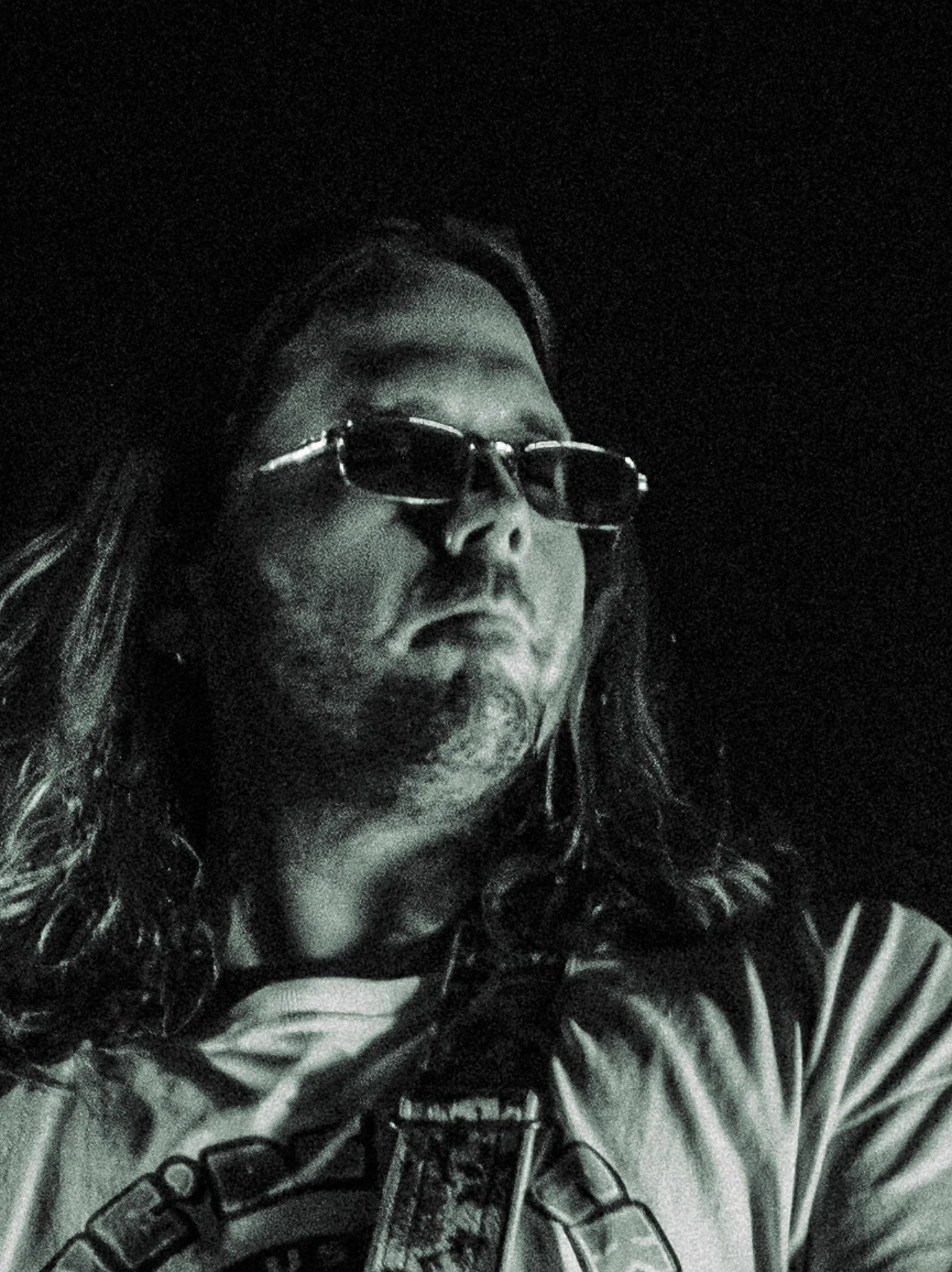
Yet beneath the screaming, dancing, and playful chaos was something more personal. Throughout the night, the band spoke about imposter syndrome, sharing the vulnerability that can come with finding yourself in a place you once only imagined reaching. They talked about visiting the venue for shows before, having that “one day” moment, and now standing on the other side of the stage. For a hometown band, there is a particular kind of weight in returning to familiar ground with a dream that has grown beyond what once seemed possible.
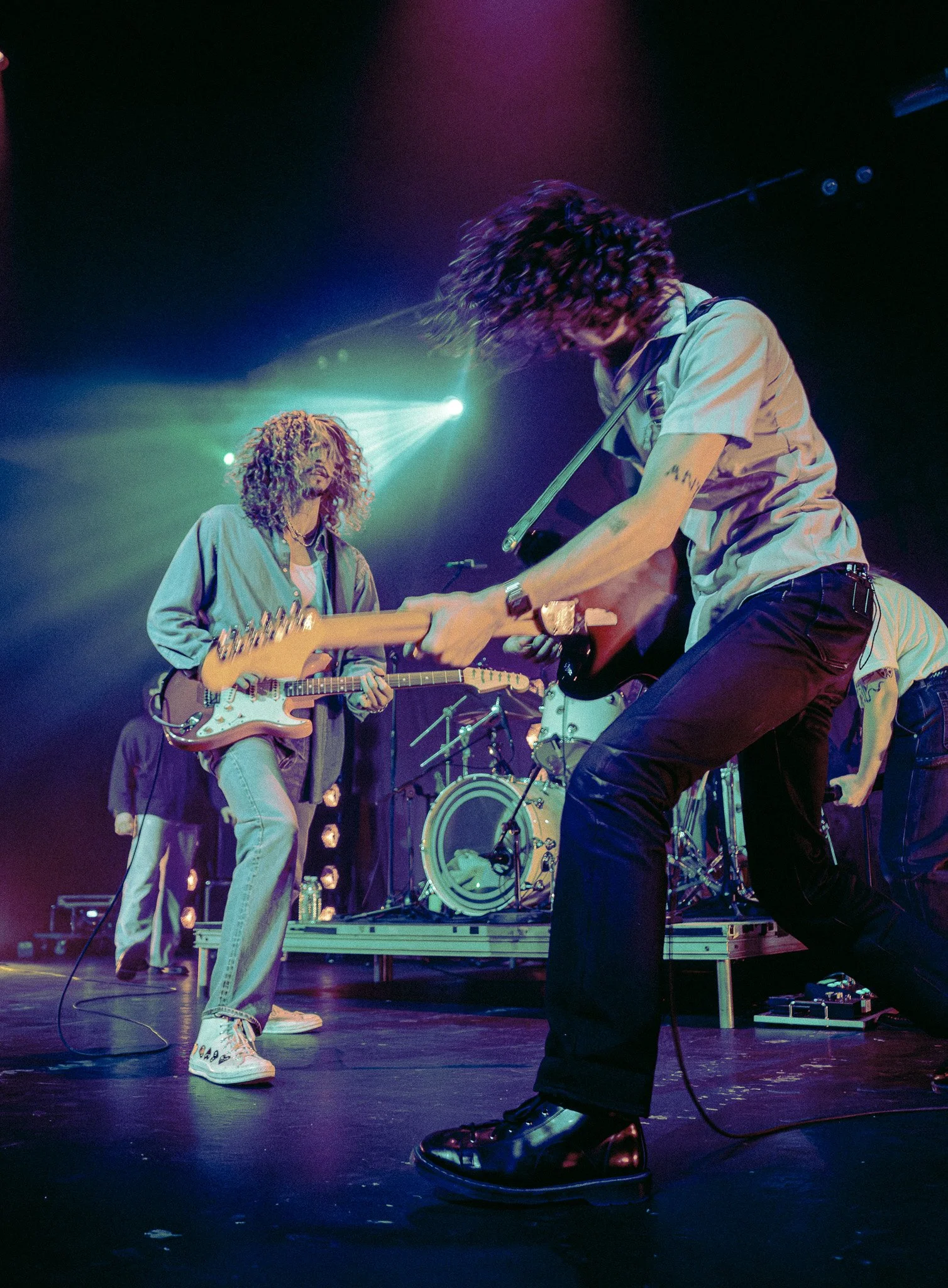
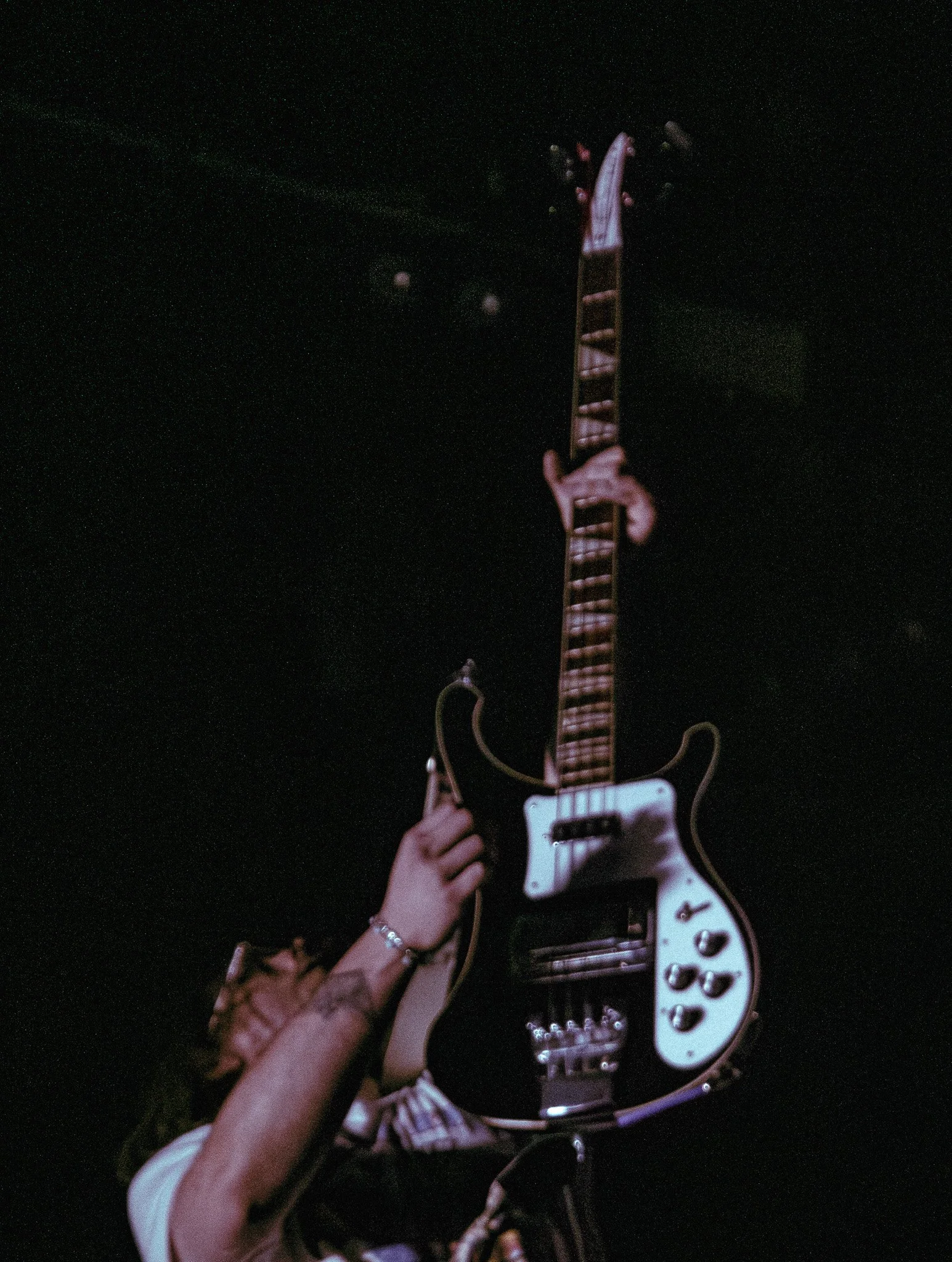
Photo by DeAnna Garza - @shotbydeanna
Looking out at friends and family who had supported them along the way, the boys took time to express their gratitude; reaching the opening band, crew, and venue staff and the crowd that had turned up to celebrate with them. It was a reminder that no homecoming happens in isolation. Behind every moment onstage are the people who showed up, offered encouragement, and kept believing when the destination was still a long way off. That sincerity was part of what made the atmosphere so compelling. Culture Wars weren’t simply celebrating how far they had come; they were acknowledging the people who helped them get there.
Between songs, the band also offered a message that felt right at home in the room: vote, love thy neighbor, and, as they put it, “don’t be a dick.” It wasn’t delivered as some grand speech. It was a simple reminder to be decent to one another, to show up for people, and to make the world around you a little better. In a room filled with so much joy, the sentiment felt less like a departure form the music and more like an extension of it.
The band's message of kindness carried through the rest of the night, culminating in “Typical Ways.” The title alone felt fitting for a band that had built a show around letting people be loud, expressive, imperfect, and entirely themselves. For a few hours, there was no need to worry about looking cool or keeping your excitement in check. You could scream until your voice gave out, dance without thinking, sing every word, or simply take it all in. The room made space for all of it. Austin gave the band everything it had.
Even as the set drew to a close, the crowd’s energy refused to settle. A stuffed longhorn made its way into the audience, adding another playful touch to a night that never took itself too seriously. The cheers continued, the excitement lingered, and the feeling in the room seemed almost impossible to switch off. Culture Wars had managed to create the sort of atmosphere that follows you out the door; the kind that leaves you buzzing long after the amplifiers go quiet. But the night wasn’t over just yet.
For the encore, the band returned with “Lies,” urging the audience to sing along to the chorus. As the song unfolded, the band left the vocals to the crowd, allowing the room to carry the melody while they played. It was a fitting final exchange between a hometown band and the people who had come to celebrate them. Then, rather than simply disappearing backstage, the members jumped down from the stage to hand picks to fans, playing the final few notes and bringing the night to an end on a high that felt impossible to manufacture.
Homecomings can be emotional because they bring the past and present into the same space. For Culture Wars, this one carried the memories of shows attended as fans, the uncertainty of chasing something bigger, and the reality of finally standing on a stage in their own city with a room full of people cheering them on. For everyone watching, it was a chance to witness that full-circle moment and become part of it.
For a few hours in Austin, it felt like the only things that mattered were the music, the people beside you, and the shared joy of being there.
Only love, a good time, and a hometown crowd that made damn sure its band knew it was home.