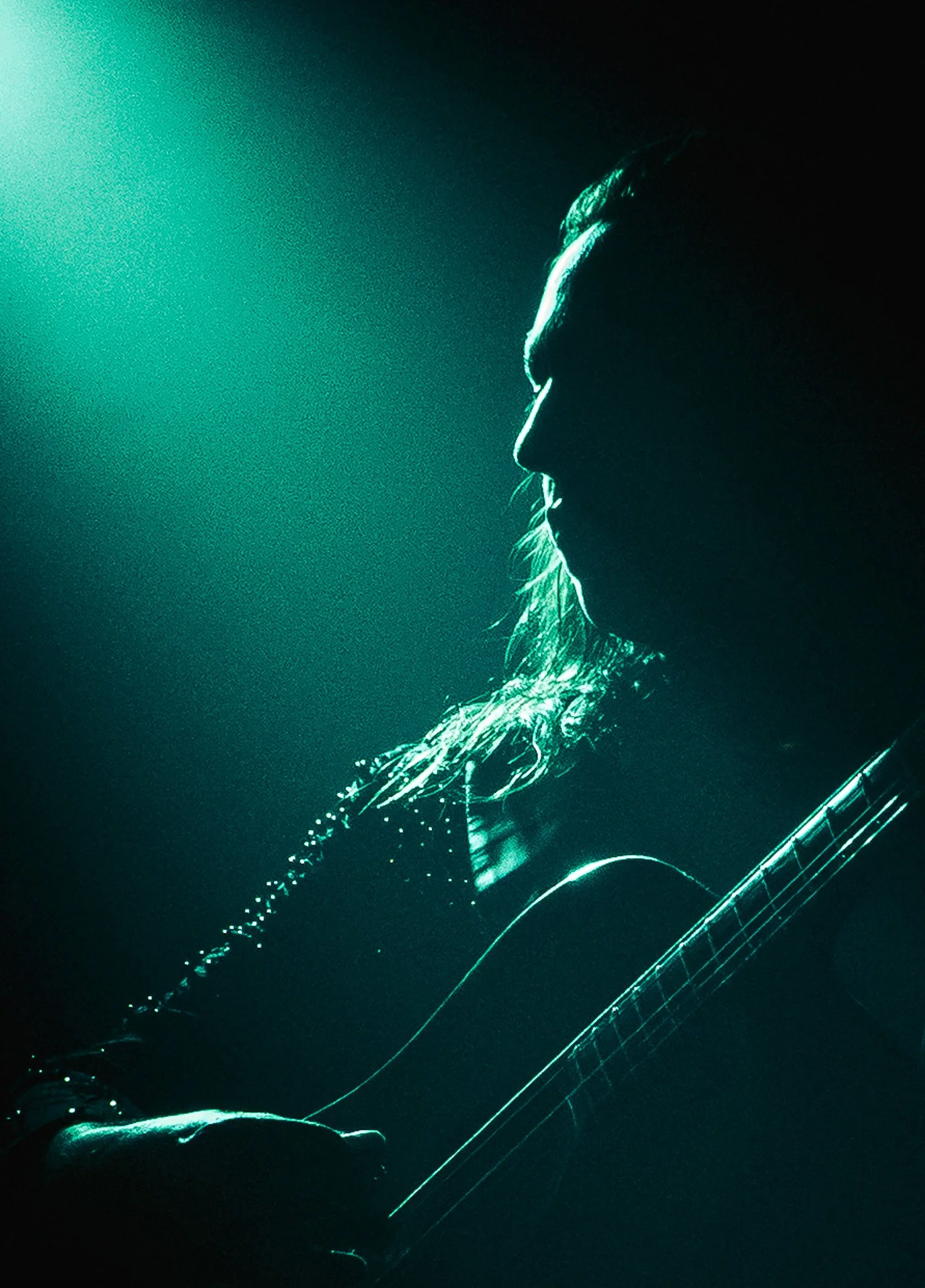
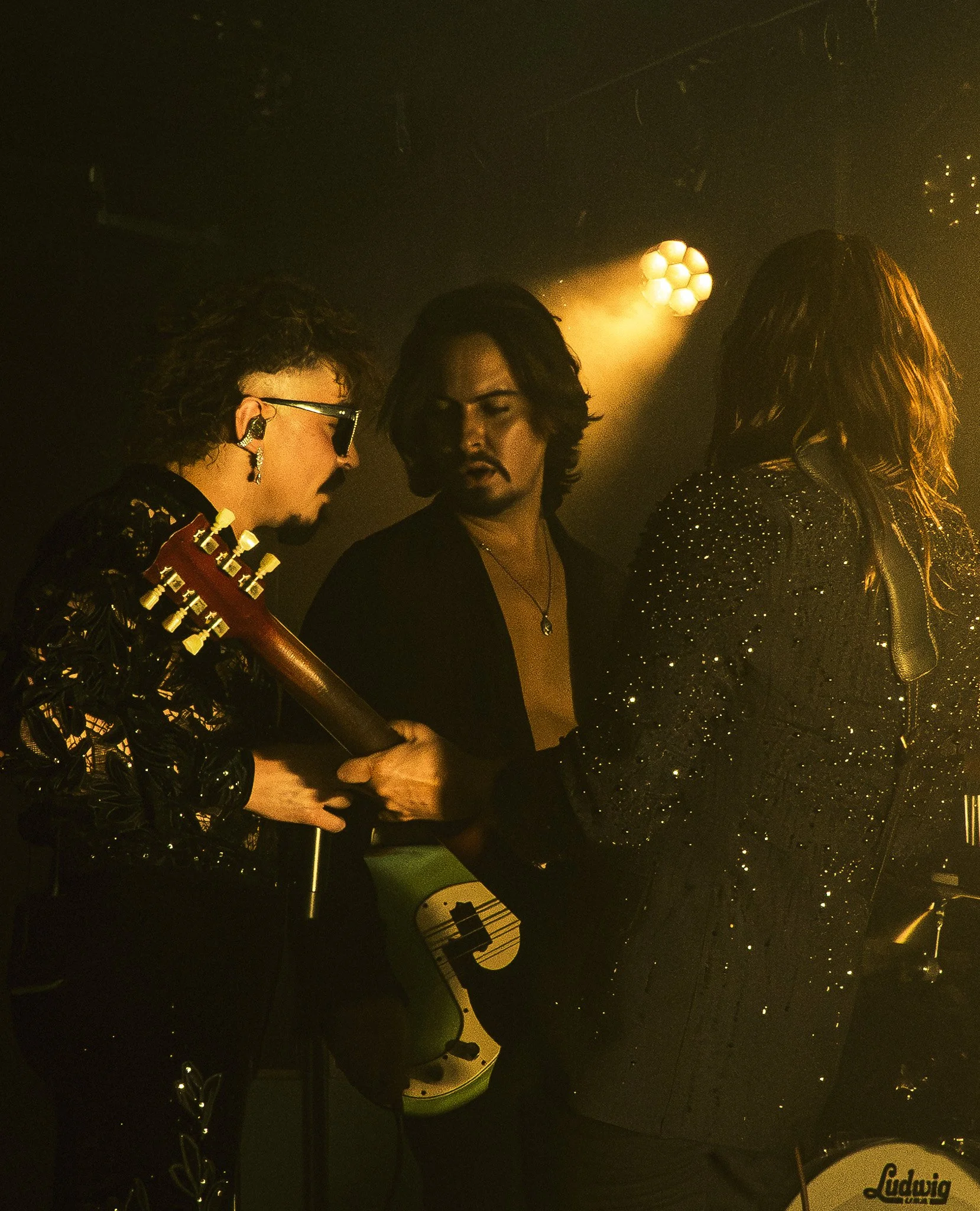
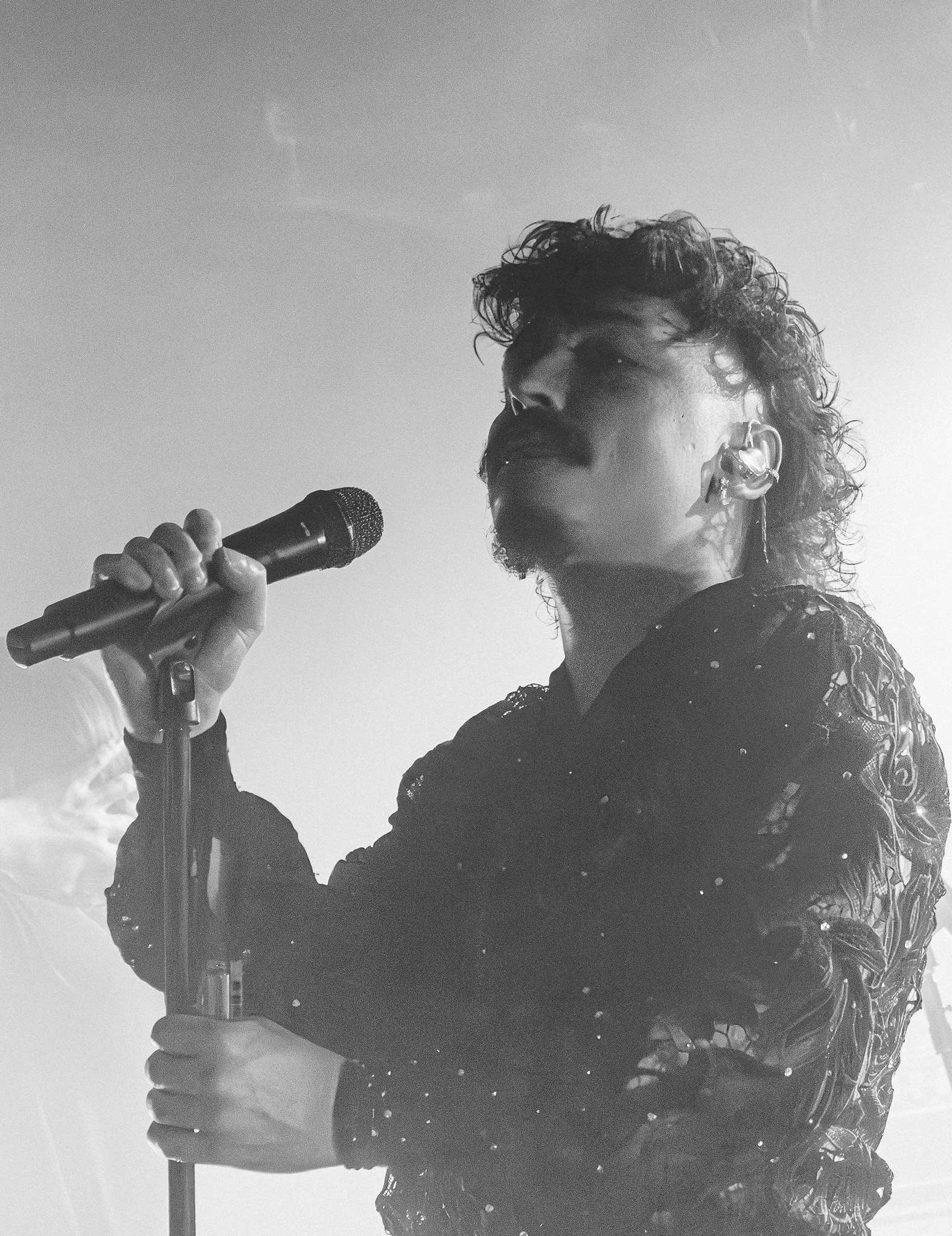
In a Room Full of Strangers Who Feel Like Family: Greta Van Fleet Close Out Their Basement East Residency
10.17.26 - Nashville, TN
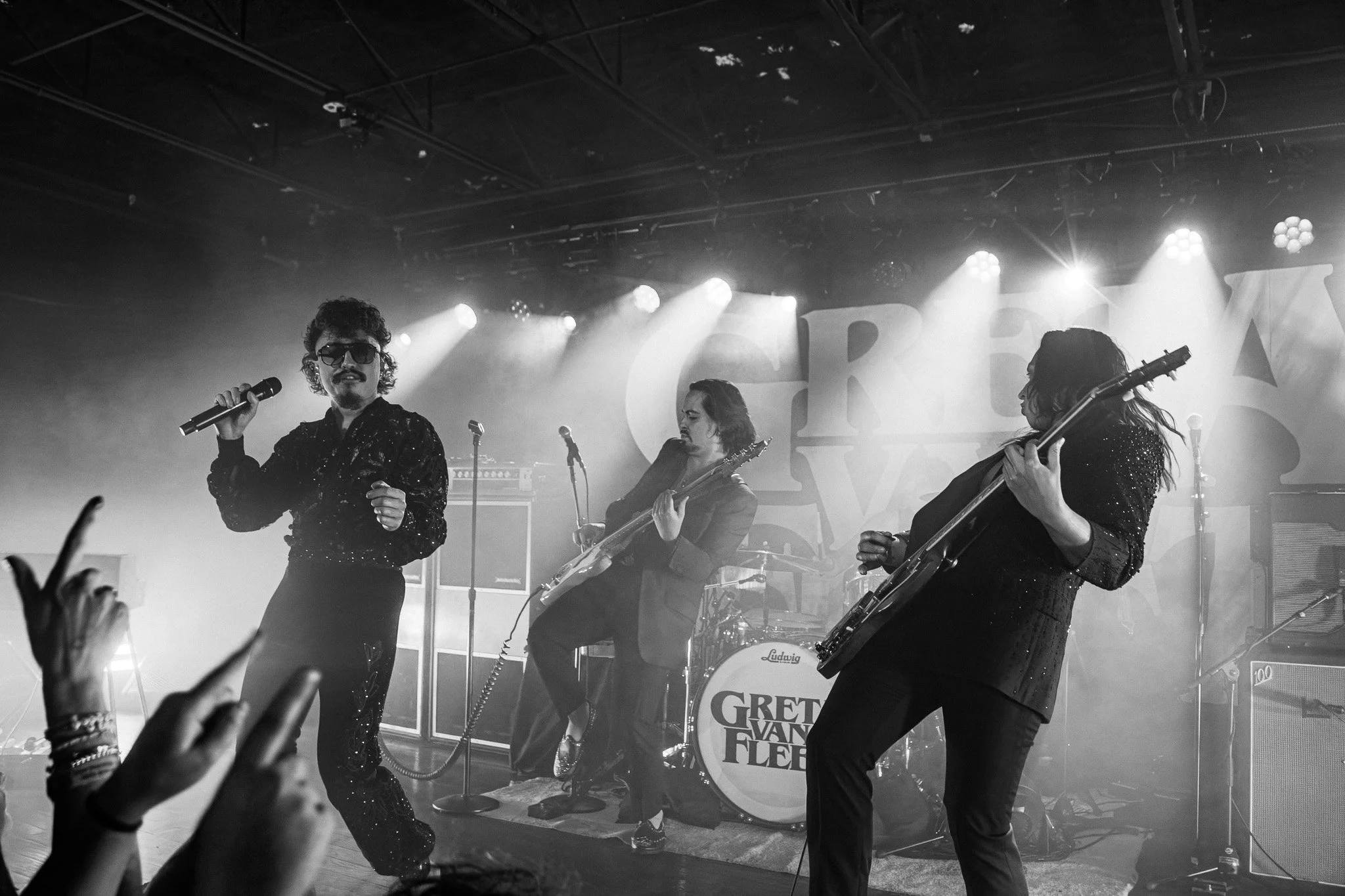
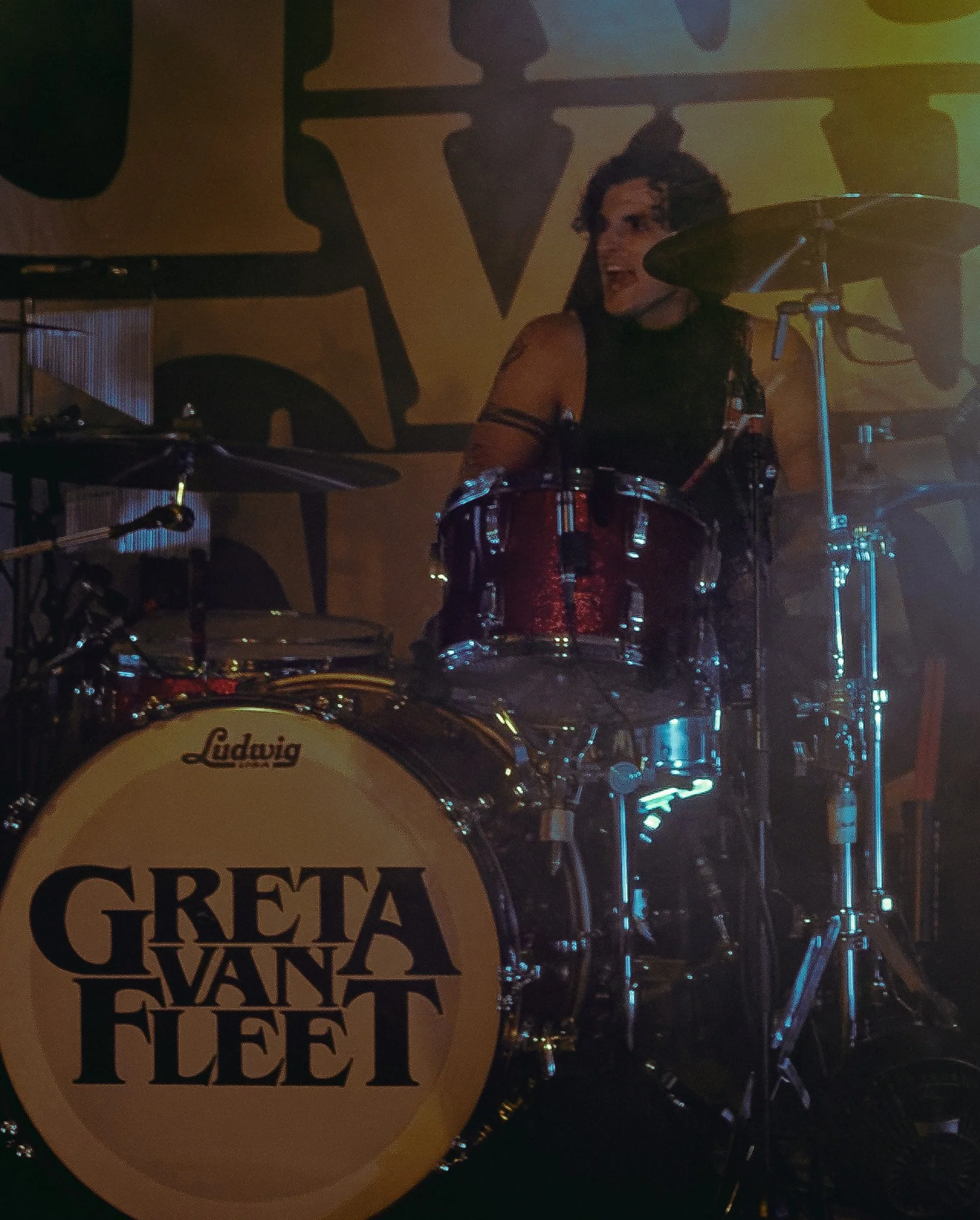
Photo by DeAnna Garza - @shotbydeanna
There is a particular kind of magic that happens when a band accustomed to playing arenas steps into a room small enough for the people onstage to recognize the faces looking back at them. The production may be smaller, the distance between the crowd and the performers nearly nonexistent, but the feeling in the room can become something much bigger than any arena could contain. On the third and final night of their sold-out residency at The Basement East in Nashville, Greta Van Fleet proved that some of the most meaningful live music experiences have very little to do with the size of the venue and everything to do with the people who fill it.
With a capacity of fewer than 600, The Basement East offered a rare opportunity to experience a band whose usual surroundings are considerably larger. For three nights, the spectacle of arena-sized performances gave way to something more personal: a room full of people singing together, friends finding one another in the crowd, families sharing the experience, and strangers united by a common love for four musicians from Michigan. What unfolded tonight was more than the closing night of a three-show residency. It was a celebration of the community Greta Van Fleet has cultivated over the years and a reminder of the joy that can exist when people are given a place to belong.
That sense of belonging was evident before the band even appeared and the room was alive long before the first note of the actual set. As the pre-show playlist played musical collaborations featuring members of the band, the audience was already singing along to “Long Gone and Heartworn" by Ida Mae. Conversations carried across the crowd, friends reunited, and family members stood among fans who had traveled, waited, and gathered for the same reason. By the time the band was fashionably late, the anticipation had developed into chants calling for their arrival.
There was a beautiful simplicity to it all. Nobody needed to explain why they were there or what the music meant to them. For a few hours, the people in that room had something in common that was bigger than their differences, their daily lives, or whatever they had left outside the venue doors. They had the music, and they had one another.
When Greta Van Fleet finally took the stage, the room erupted.
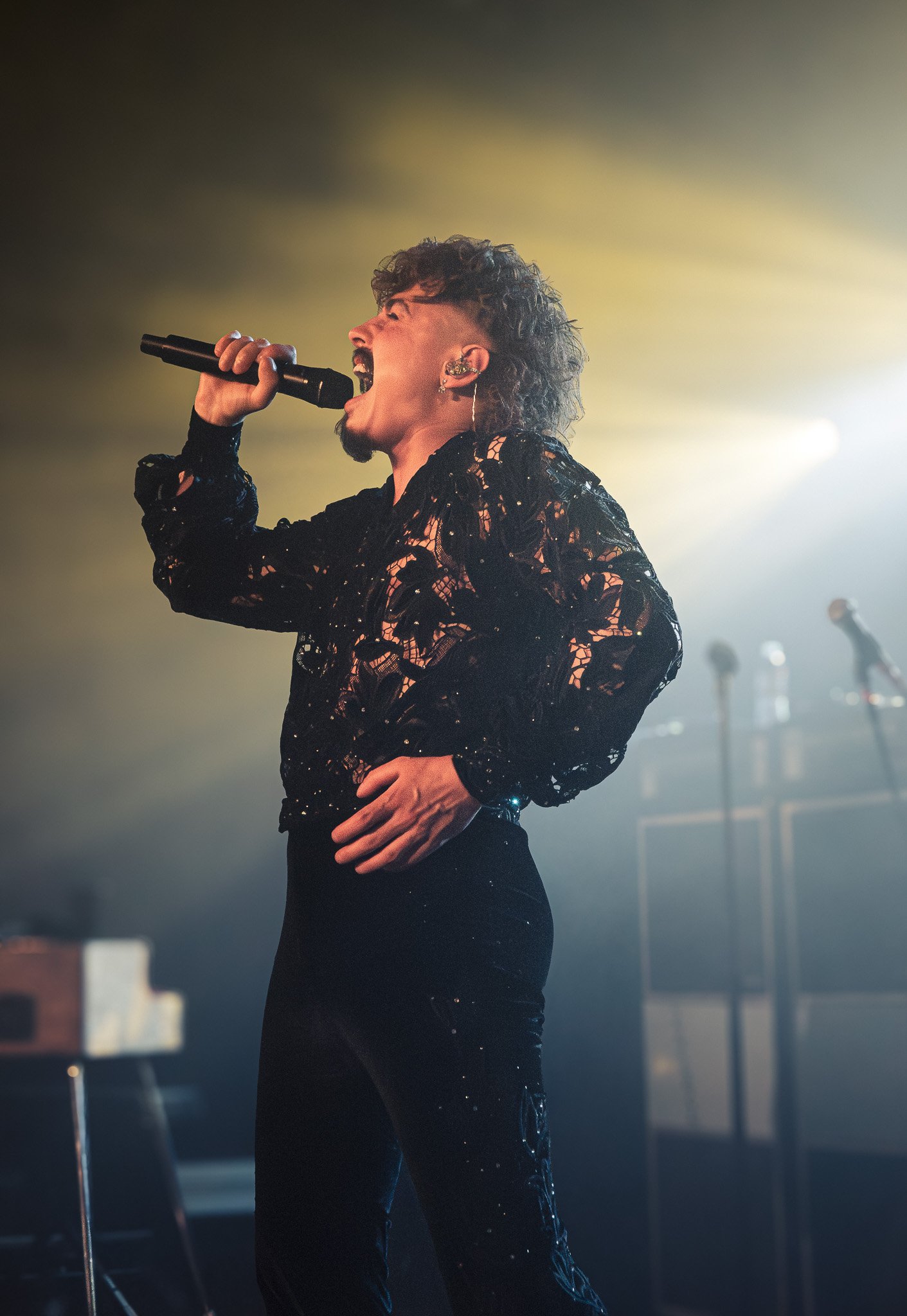
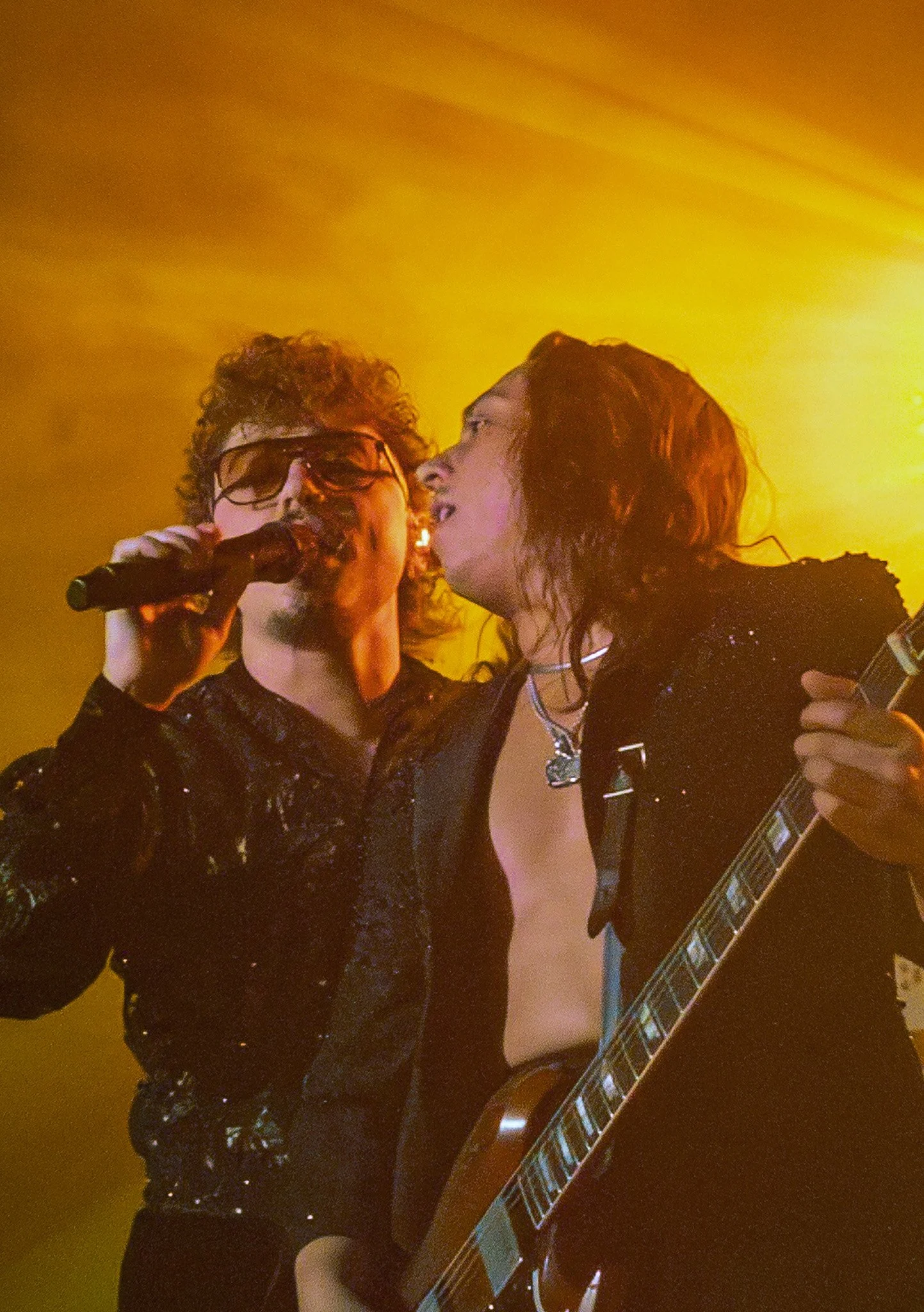
Photo by DeAnna Garza - @shotbydeanna
Opening with older originals, including “Flower Power,” “Black Smoke Rising,” and “Highway Tune,” the band immediately established a connection between where they began and the community that has grown alongside them. These were the songs that helped introduce the world to Greta Van Fleet, and hearing them in such an intimate setting gave them a different kind of weight. There was no arena separating the band from the audience; there was no need for distance to create a sense of grandeur. Every guitar riff, drum hit, and vocal run traveled directly into a room of people who knew the words, understood the cues, and were ready to give just as much energy back.
The set continued into “Saw You Stand,” “Light My Love,” and “Meeting the Master,” moving between the band’s more familiar rock-and-roll intensity and the expansive, almost spiritual quality that defines some of its most beloved material. Yet the most striking thing about the performance was not simply the musicianship; it was the way the audience became part of the music itself.
A Greta Van Fleet show has always been an exchange. The band offers the songs, the performances, the theatrics, and the moments of vulnerability; the audience responds with its voices, its movement, its devotion, and its willingness to surrender to the experience. In a venue this small, that exchange felt almost tangible. The line between the people performing and the people watching seemed to disappear, replaced by one collective energy that moved through the room.
There was hardly a quiet moment while the band was onstage. When the lyric “all of our love” arrived, the audience sang along with a volume that made the moment feel less like a performance and more like a shared declaration. Hundreds of individual voices became one, each person contributing to something no single person could have created alone.
It is easy to describe a crowd as enthusiastic or a fanbase as devoted. It is harder to articulate what happens when music becomes the common language between people who may otherwise have never crossed paths. For many fans, a concert is not just a night out. It is a meeting place, a source of comfort, a reason to travel, a chance to reconnect with old friends, or an opportunity to make new ones. The people standing shoulder to shoulder at The Basement East were there for Greta Van Fleet, but the community surrounding the music was just as much a part of the experience.
That community is not built solely through the songs themselves. It grows in the spaces between them: the conversations in line, the familiar faces spotted in the crowd, the shared excitement when a favorite song begins, and the small kindnesses exchanged between people who understand what it means to be there. A room of strangers can become a room of friends remarkably quickly when everyone is singing the same words.
And for a band whose music often embraces themes of love, freedom, connection, and the human experience, there was something fitting about seeing those ideas take physical form in such a small space.
Of course, the evening was not without the playful chaos that has become part of Greta Van Fleet’s live identity. The familiar calls of “If I fall, you’ll catch me?” and “Do it, Jakey!” rang through the venue, alongside “Champagne…caviar, anyone?” and the invitation to “smoke ’em if you got ’em and clothing is optional.” These exchanges have become recognizable rituals among fans, but in the close quarters of The Basement East, they felt less like rehearsed fan service and more like an ongoing conversation.
There is comfort in that familiarity. The chants are not simply things people repeat because they have seen them online or heard them at previous shows. They become shared references, little pieces of a collective history that fans carry from one concert to the next. A person attending their first show can find themselves swept into traditions that have existed for years, welcomed into a culture whose language they can learn simply by listening, laughing, and joining in.
The band’s willingness to play along only deepened that feeling. The jokes, the teasing, the spontaneous reactions, and the moments when the audience managed to catch the musicians off guard made the performance feel lived-in. Nobody needed the night to be perfect. Its charm came from the fact that it was happening in real time, with all the unpredictability that entails.
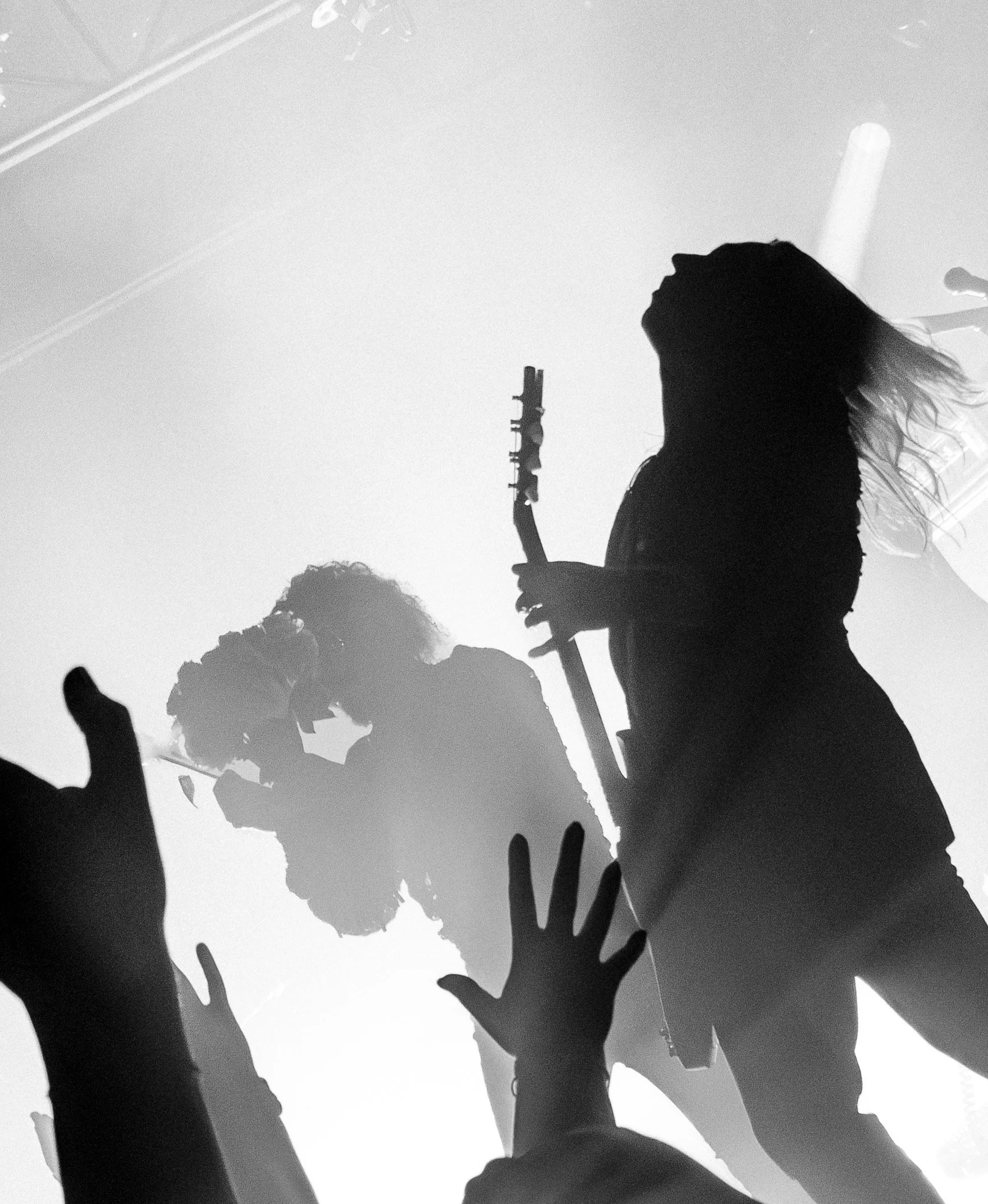
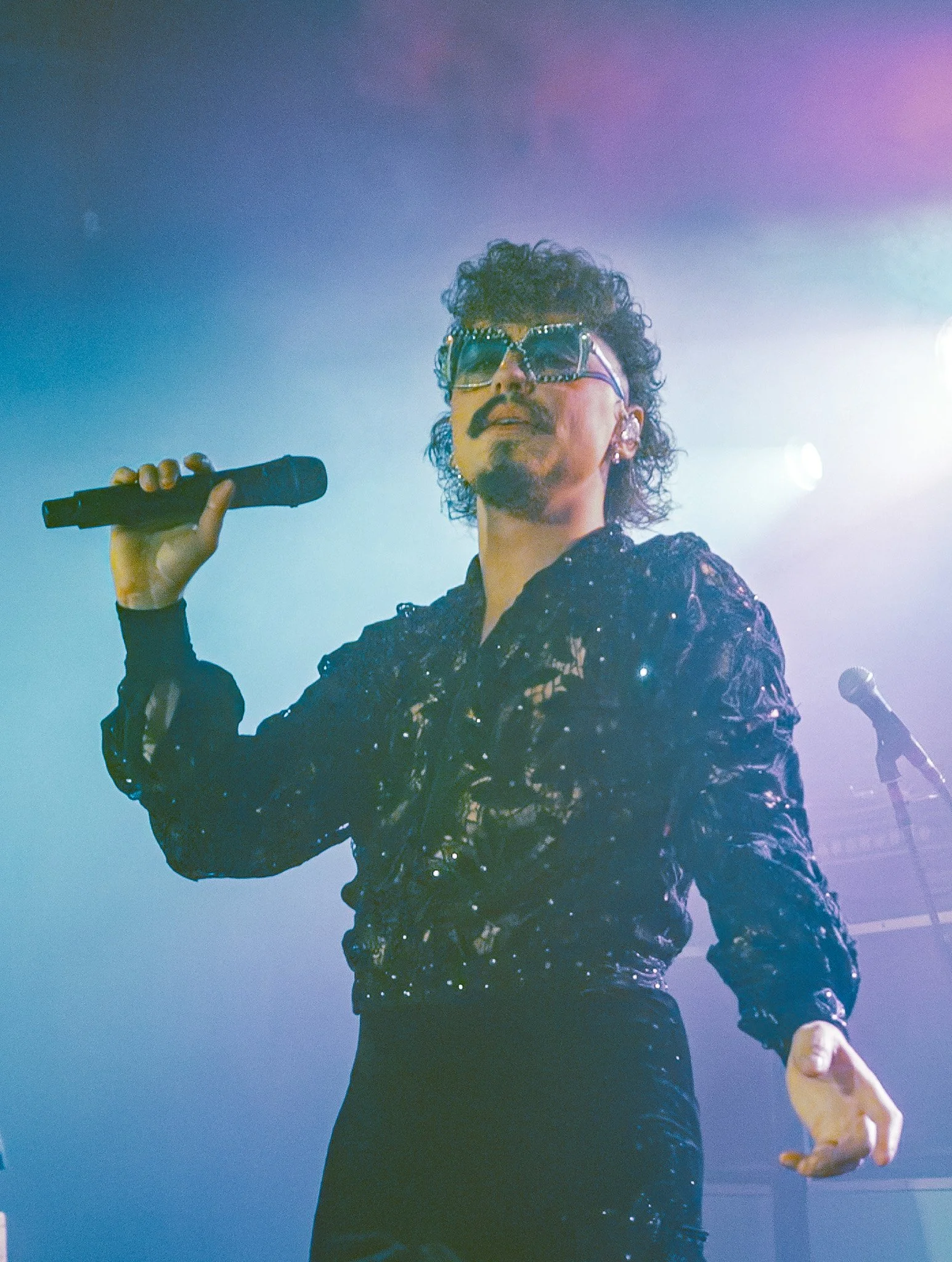
Photo by DeAnna Garza - @shotbydeanna
“Tear It Down” became a dance party, bringing out the unrestrained, almost mischievous energy that the band does so well. Brotherly teasing added another layer to the performance, offering glimpses of the dynamic between Josh and Jake Kiszka that have become part of the band’s appeal. Their interactions brought a sense of familiarity to the stage, making the audience feel less like spectators watching a carefully constructed production and more like guests witnessing a moment among people who know one another intimately.
At one point, a fan lit a cigarette for frontman Josh Kiszka, while shots were shared with the crowd for Josh and guitarist Jake Kiszka. When Josh eventually put the cigarette out onstage, he delivered the perfectly timed warning, “If there’s a fire, scream louder than you have been.” The room responded with the kind of laughter and excitement that only made the moment more memorable.
It was absurd, spontaneous, and entirely in keeping with the night’s atmosphere. In a larger venue, moments like these can become fleeting details lost in the scale of the production. Here, they became part of the collective memory of the evening, the sort of stories people would retell afterward as evidence of how special the show had been.
But beneath the jokes and rock-and-roll theatrics, there is something more meaningful: the freedom to be fully present.
For a few hours, the outside world could wait. People could dance without worrying about how they looked, sing at the top of their lungs, laugh with strangers, and lose themselves in the music. The venue became a place where enthusiasm was not something to apologize for and where being a little ridiculous was part of the fun. There was room for the loud, the emotional, the exuberant, and the deeply personal.
That kind of freedom matters. So many people move through their everyday lives feeling the need to make themselves smaller, to temper their excitement, or to hide the parts of themselves that feel too different from the people around them. A concert cannot solve everything waiting outside its doors, but it can offer a temporary reprieve from those expectations. It can create a space where people feel less alone, where emotion is shared rather than concealed, and where joy is something everyone is encouraged to participate in.
The safety and belonging people find in music are not necessarily about knowing everyone in the room. Sometimes they come from knowing that, for one night, everyone understands the same feeling. It is the realization that the person singing beside you may have found the same comfort in a lyric, the same release in a guitar solo, or the same sense of possibility in a song. You may not know their name or their story, but for the duration of that song, you are connected.
Greta Van Fleet’s community has grown around that kind of shared experience. The music brings people together, but the people give the music another life beyond the stage. They carry it into friendships, memories, photographs, conversations, and the relationships that continue long after the final note. A show ends, but the connections made because of it do not have to.
The performance continued with “Play Your Games” before arriving at one of the night’s most anticipated surprises: “Touch Again.”
First teased during the band’s 2024 Starcatcher World Tour, the song finally received its live debut at The Basement East. Its appearance gave the final night a significance beyond the intimacy of the venue itself. There was something special about being among the first people to experience a song in this new way, sharing a moment that could not be replicated by watching a recording afterward. For those in attendance, it became another memory tied specifically to this room, this crowd, and this particular night.
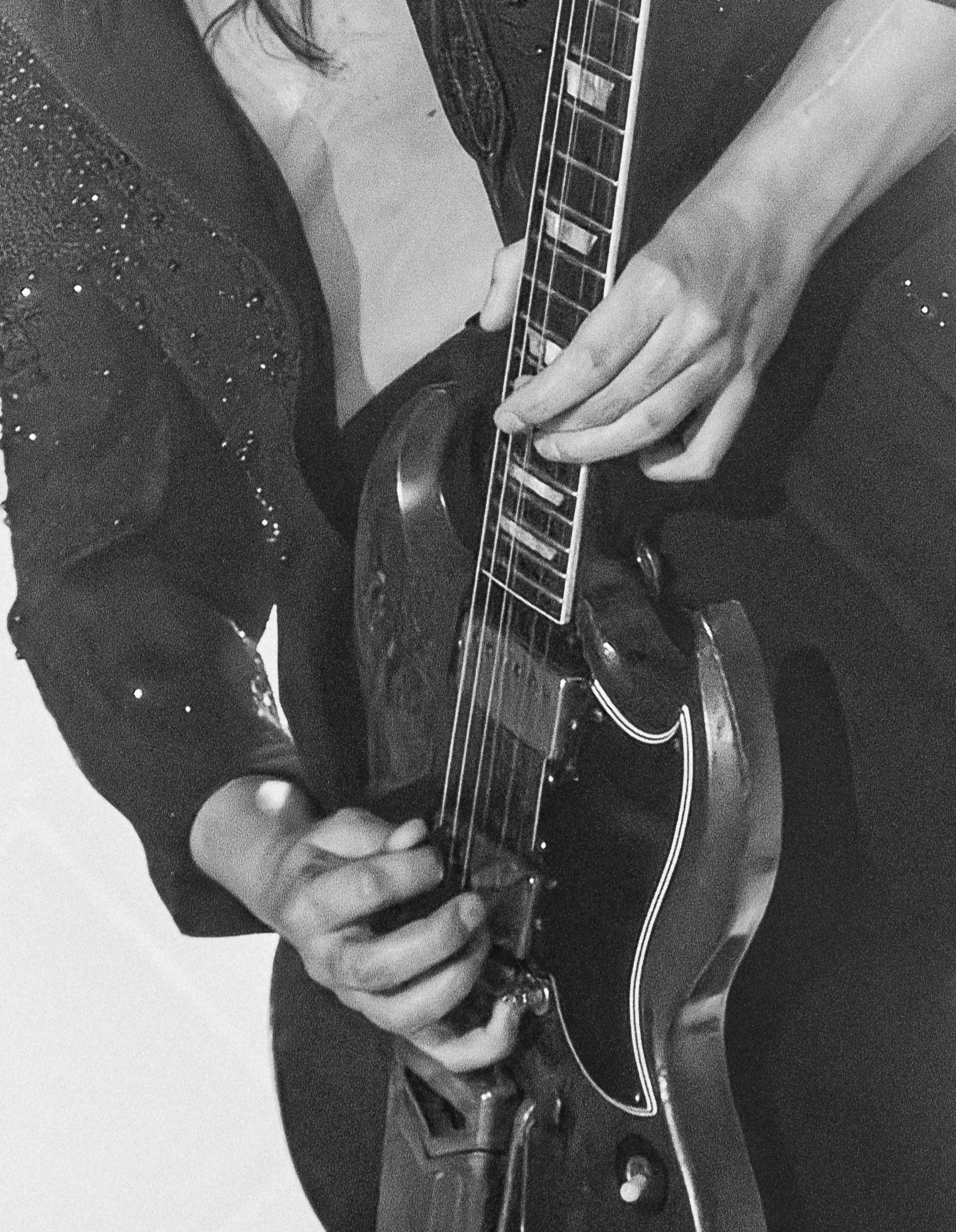
Jake Kiszka continued to command attention with his guitar work, at one point playing with his tongue, leaning into the theatricality and unpredictability that make his performances so compelling. His playing was a reminder that, even amid all the community and emotion surrounding the show, Greta Van Fleet remains a band built on the sheer pleasure of making rock music. The technical skill is undeniable, but so is the sense of play. There is a looseness to the band’s best live moments, an understanding that rock and roll should be as much about feeling as it is about precision.
Then came another surprise: “Edge of Darkness.”
The unexpected addition sent another wave of excitement through the audience, adding a final layer to a set that had already balanced early favorites, beloved live moments, and something entirely new. It was a fitting choice for the final night of the residency, drawing the band’s history into the present and giving the crowd one more reason to hold on to the moment.
As the set moved toward its conclusion, the atmosphere in the room carried the unmistakable feeling of a night people were not quite ready to leave behind. There was no grand arena production necessary to make the evening feel monumental. The scale of the experience was measured in the voices raised together, the smiles exchanged across the crowd, the musicians feeding off the energy in front of them, and the realization that everyone present was participating in something fleeting.
That is the strange beauty of live music: it belongs entirely to the moment in which it happens. There is no way to recreate the precise combination of people, emotions, sounds, and circumstances that makes one particular show feel different from every other. Even if the band plays the same songs the following night, the experience will never be exactly the same. The people in the room change. The energy changes. The little surprises change. And that is what makes being there matter.
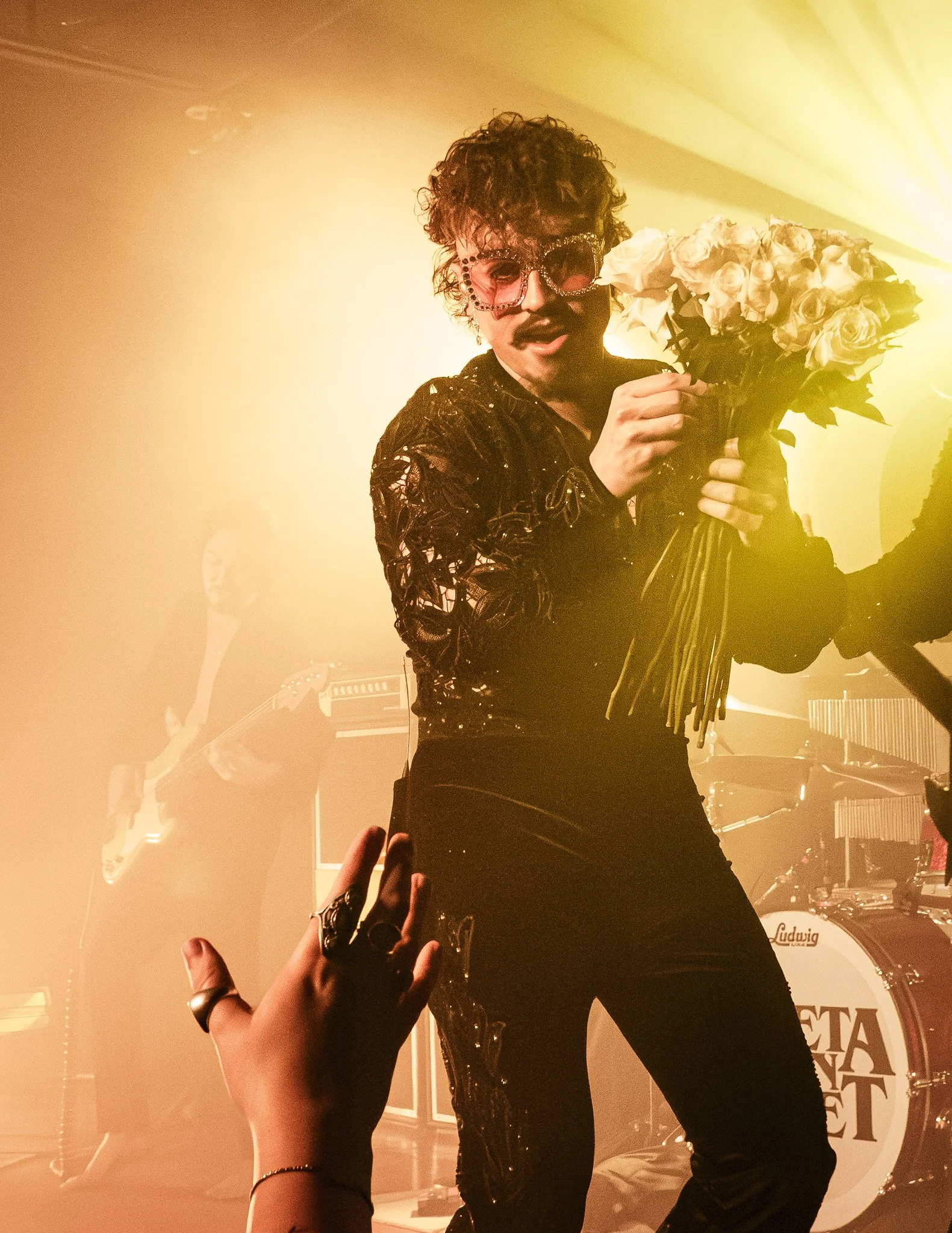
Photo by DeAnna Garza - @shotbydeanna
When the night finally came to a close, guitar picks and roses found their way into the crowd, along with the setlist. I left with a rose and a pick of my own, small physical reminders of an evening whose significance extended well beyond the things I could carry home.
The keepsakes were special, but they were not the reason the night mattered. What made them meaningful was everything surrounding them: the music, the people, the collective joy, and the feeling of having been part of a room where hundreds of strangers shared something genuine.
The third and final night of Greta Van Fleet’s Basement East residency was a reminder that a band’s legacy is not defined only by the venues it sells out, the records it releases, or the number of people who know its songs. It is also defined by what happens between the music and the people who receive it. It is measured in the communities that form around the songs, the friendships that begin at shows, and the ways people carry those experiences back into their lives.
For Greta Van Fleet, the ability to command an arena is one kind of achievement. The ability to step into a room of fewer than 600 people and make it feel like the entire world exists within its walls is another.
In that room, the music was loud enough to drown out everything else, but the most powerful thing was what it made possible: connection between strangers, joy without reservation, and a sense of belonging that did not require anyone to explain themselves. People arrived with their own lives, stories, and reasons for loving the band. For a few hours, those individual experiences converged into something shared.
Perhaps that is the real gift of a community built around music. It does not ask everyone to be the same. It simply gives them a place to meet.
And when the lights come up, when the guitars are put away and the crowd finally spills back onto the streets of Nashville, that feeling does not have to disappear with the last song. It travels home with the people who were there. It lives on in the friendships, the photographs, the stories, and the memories that will be revisited long after the residency has ended.
Three nights in a small Nashville venue will never replace the spectacle of an arena tour, nor does it need to. Instead, the residency offered something different: a reminder of the intimacy at the heart of rock and roll, of the community that can grow from a shared love of music, and of the joy that happens when a band and its audience meet each other where they are.
On the final night, Greta Van Fleet did more than close out a residency. They brought a room full of people together and gave them another reason to return to one another, again and again.
And sometimes, that is the part of a concert that stays with you longest: not just the songs you heard, but the feeling that, for a little while, you belonged exactly where you were.