
Searows Brings “Death in the Business of Whaling” to the West Coast
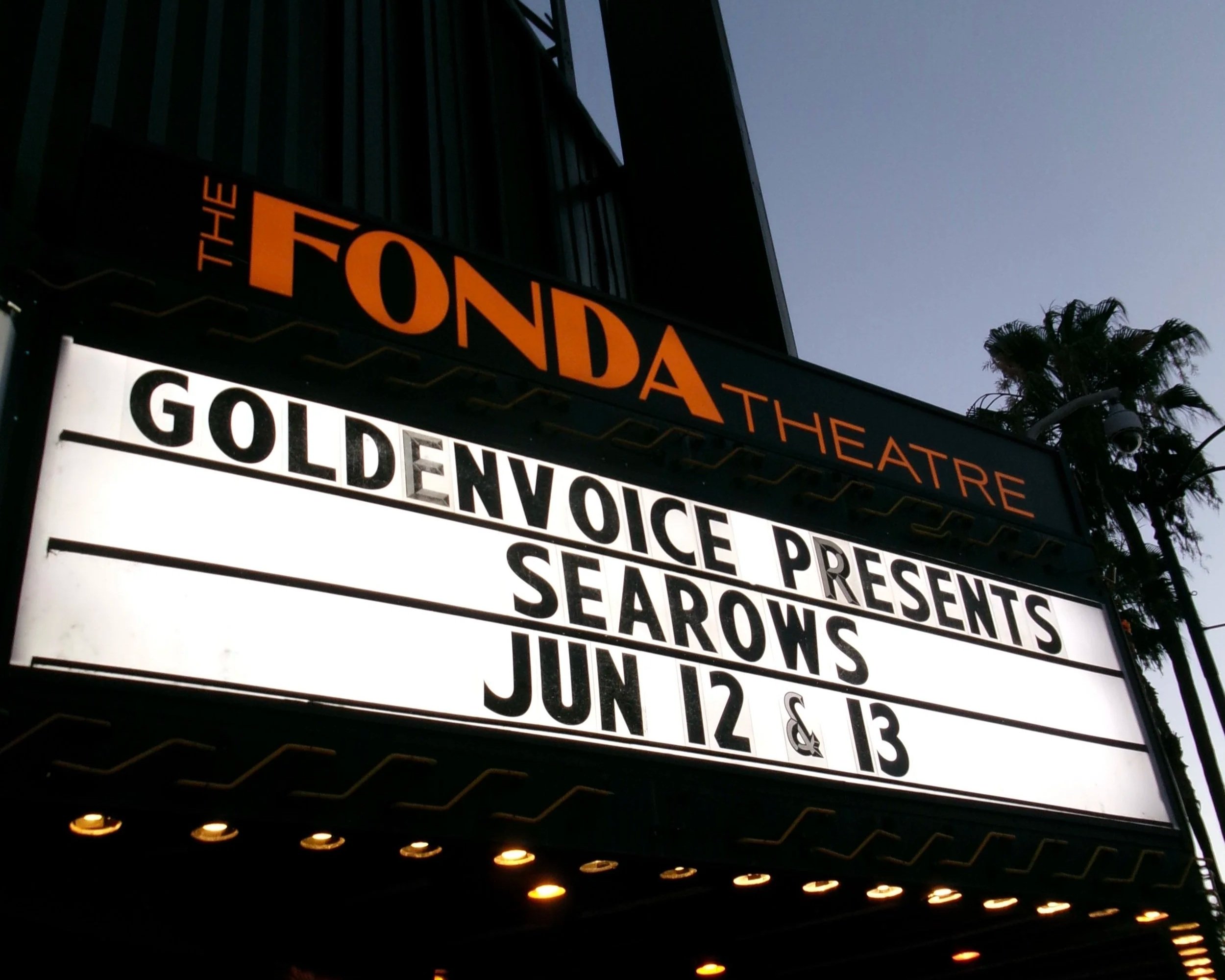
Photo by Sage Groves
5.12.26 - Los Angeles, CA
It’s a Friday night in Hollywood, California, and the hottest club in town is the Fonda Theater. In the center of bustling city life, mellow concert goers line the block, discreetly buzzing with excitement to share an atmospheric night with indie singer-songwriter Searows. This first out of two Los Angeles shows marks three months into the North American leg of touring for Alec Duckart, the Portland-based artist behind the Searows stage name.
A merch line wraps around the lobby of the century-old venue, fans respectfully cramming together to get their hands on neo-medieval printed shirts and tote bags. This line wholly epitomizes the mystical, folk influence that radiates through Duckart’s sophomore studio album Death in the Business of Whaling.
As the venue begins to fill for this nearly sold-out show, supporting act Mori begins her set accompanied by fellow musician Benji Jimenez. Only her third show, joining the tour for the West Coast leg, Mori’s silky vocals and stripped acoustics command the silence of the crowd. Our eyes are fixed to that stage even before the main act. The Berklee College of Music alum plays songs off of her recent singer-songwriter-style album It Can’t Be You, as well as her TikTok-viral single “The Hill I Die On,” which some audience members even sing along to. Each song is matched with deserved applause. Mori leaves the stage having gained a new covey of fans.
Between acts, I notice some fellow fans clutching roses in the pit. I chat with a few, asking them about the roses, where they got them, and if this was coordinated. Everyone I spoke to said somebody was handing them out to those who lined up early. One fan I spoke with explained that everyone is supposed to hold them up for Duckart to look out into the audience and see a “sea of roses,” a clever play on the Portland artist’s stage name.
As the house lights dim, the audience is unmoving, captivated in anticipation. The band walks on stage, lights come up, and they begin the show with track one, "Belly of the Whale.” Band member Marlow Ostara lays down the sonorous orchestral foundation by playing her bass guitar with a bow. Guitar, drums, and banjo to follow, and then Duckart’s distinct folk-inspired vocals echo through the room with stabbing lyricism.
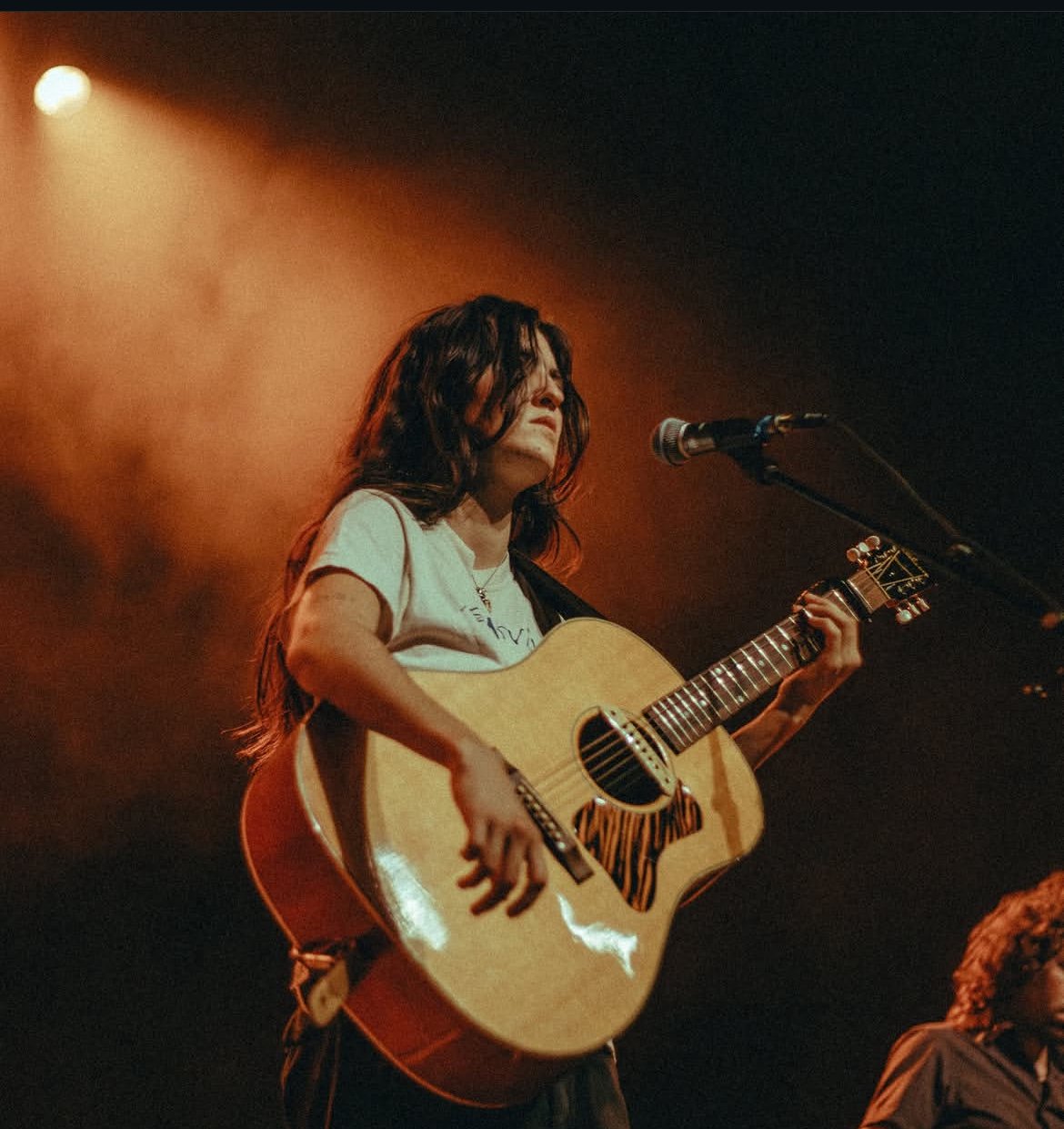
Photo of Alec Duckart live at the Fonda by @trashbear via Instagram
The next two songs, “Kill What You Eat” and “Photograph of a Cyclone," carry the nautical allusions of the album; the latter is a powerful folk-rock number that breaks the mesmerized tranquility of the audience. “Photograph of a Cyclone” and a few minutes later “Dearly Missed” showcase a change in tone: tension builds in both lyricism and orchestration, and Duckart solidifies himself as a powerful vocalist, momentarily side-stepping from the softness of his habitual, precisely subdued vocalisms.
Duckart’s band abandons the stage, and he plays a few songs on his own, accompanying himself with an acoustic guitar. Any fan in the audience who has been following Duckart since the beginning of his career could only be reminiscing about the shows he played just like this but in smaller, more intimate rooms. Nevertheless, Duckart keeps the intimacy with his fans even in this large space by staying communicative with the audience, casually and cordially. He consistently voices his gratitude for everyone who shows up, who listens, and who connects with his art. These songs he plays solo are a melancholy bunch. Just before playing “Dirt,” a disquieting meditation on inevitability, Duckart jokes “Feel free to mosh to this one.” The audience opts for tears instead.
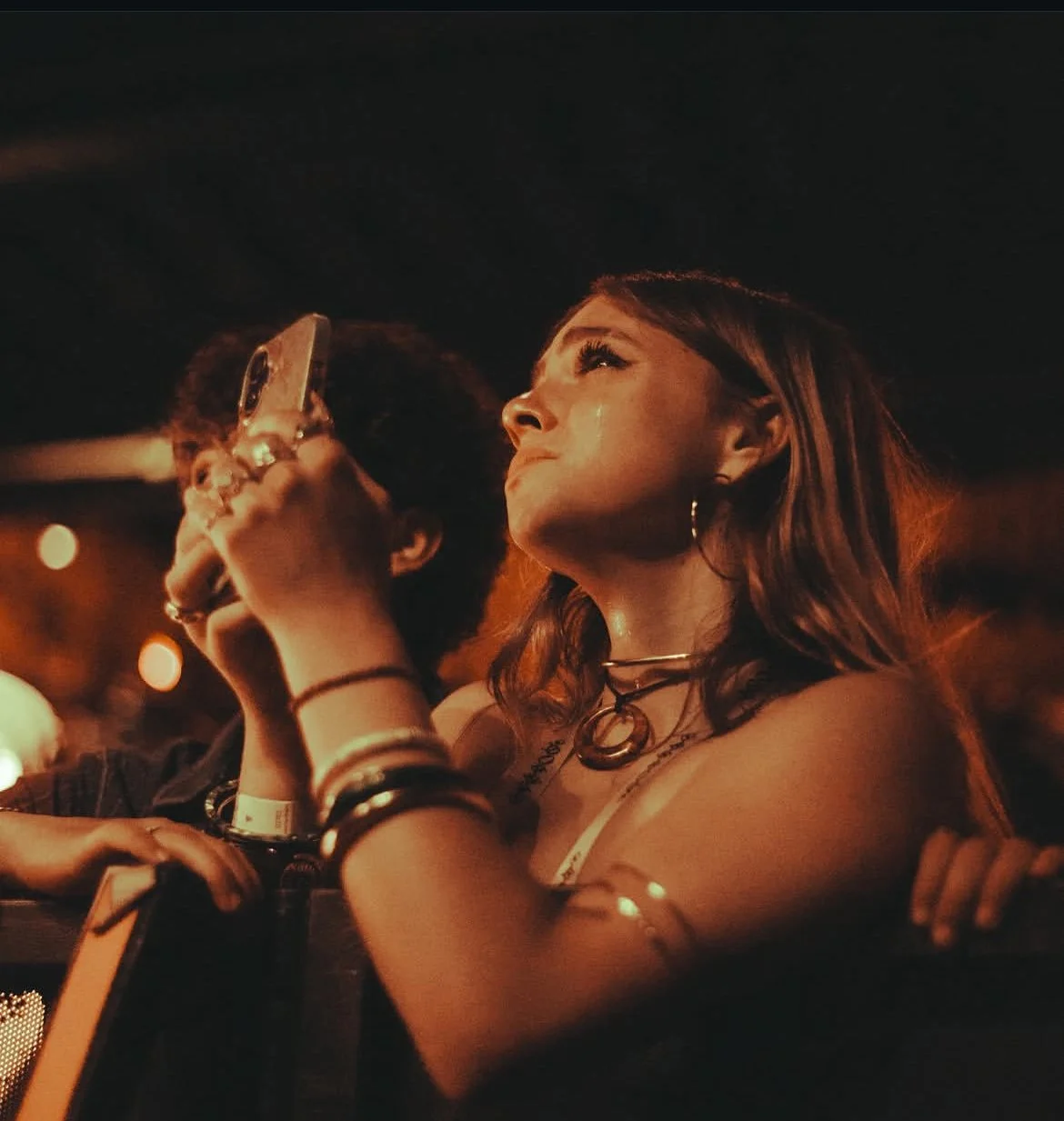
Photo of fan at the Fonda by @trashbear via Instagram
The band rejoins Duckart for a purple, back-lit performance of the album’s third single, “In Violet.” As with many of the songs played tonight, lead guitarist Don Piano thickens the texture of “In Violet” with his artful skills on banjo.
Duckart departs from Death in the Business of Whaling to play a pair of songs off of his debut album Guard Dog. Listening to these older fan-favorites really emphasizes how distinctive Duckart’s two albums are from one another. Both beautiful in their own right, Death in the Business of Whaling offers mysticism, a dynamic collection of storytelling in lyricism, and lush instrumentation. Guard Dog acts as the more stripped, instrumentally consistent, confessional debut of an artist creating music in the post-Phoebe Bridgers era. It’s sad; it’s beautiful, but the depth of uniqueness is incomparable to that of Death in the Business of Whaling.
The show closes after three more tracks from the touring album, and the crowd erupts. As applause continues for uninterrupted minutes, Searows returns to the stage for a much-desired encore. The crowd cheers even harder when the first notes of Duckart’s most popular track “House Song” bounce across the venue. The song evokes a sense of miserable nostalgia that sits in your chest long after the last notes hit your ears.
And once the song ends, adoring fans throw their roses onto the stage, showering Duckart and the band in a multicolored bloom. In return, Duckart plays one last song, “Geese,” the last track of Death in the Business of Whaling.
The show is over. Fans funnel out of The Fonda Theater, back to the bustling Friday night in Los Angeles, grateful to have shared a moment of unearthly stillness with Searows.
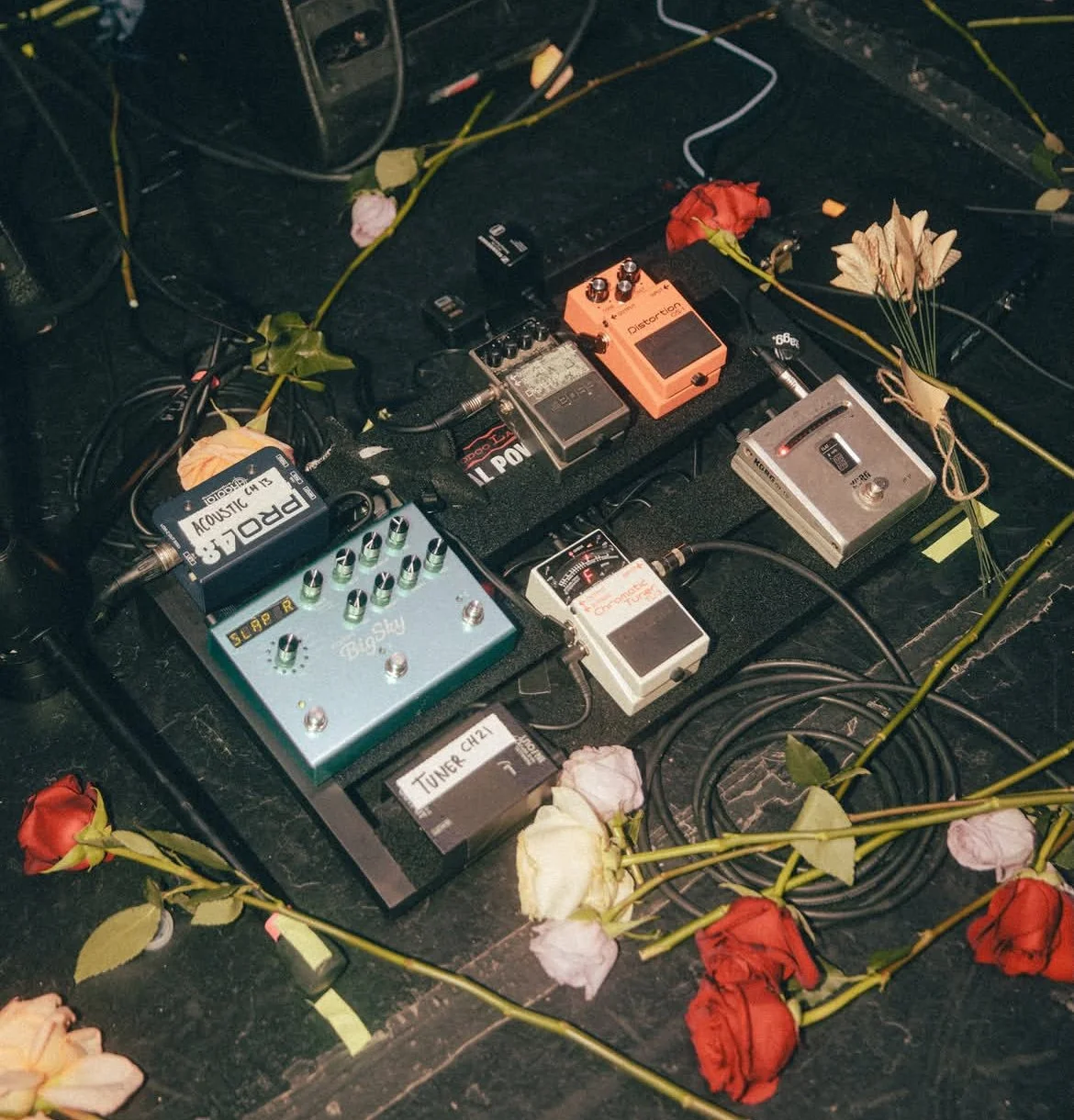
Photo of flowers thrown on stage for Searows by @trashbear via Instagram