
Building Beyond The Familiar: Greta Van Fleet’s Return
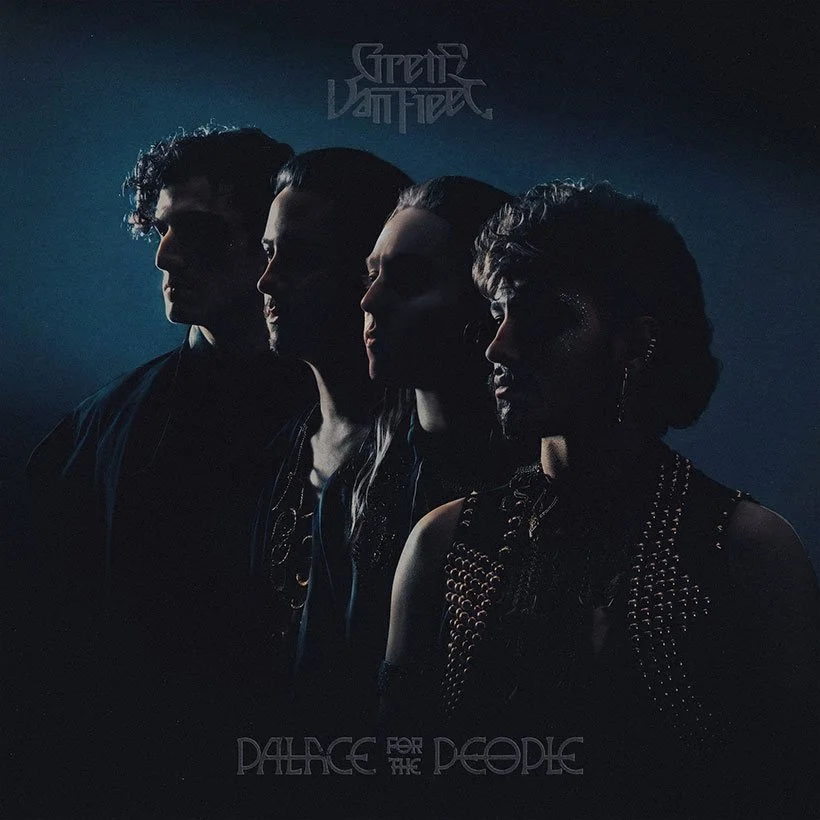
Photo via Instagram
The Michigan born 4-piece returns with its fourth studio album, emerging with a new sound and the all-too familiar arena-driven sound. Greta Van Fleet’s sound has always been theatrical and out of the box, and they have always approached music with a sense of grandeur. Their music is heard, and the speakers are turned up a little louder.
With Palace for the People, Greta Van Fleet returns to that territory with a newfound attempt to expand their sound. Released on October 9th, 2026, the 13 tracks released delve into hard rock, driving guitar solos, and the same theatrical nature that the band has come to embrace. Working with producer Mike Elizondo for the first time, the band leans more into acoustic pathways, orchestral flourishes, and unexpected musical tinges.
The album opens with “Into the Beginning,” a primarily instrumental track that feels almost cinematic. The band is known for its dramatic overtures before a physical curtain drop at shows, and “Into the Beginning” absolutely fills that position. The track is filled with vocals of different vowels, layering them on top of the free-form rubato orchestral rhythm that is established.
“Tear It Down” is a clearer expression of the hard-rock identity they have built. Built around a driving riff by guitarist Jake Kiszka, the song sets the tone for a record that is based on movement and new experimental sounds. As the first full-scale song in the album, this one sets the pace and holds a strong footing.
The album also leans into its acoustic driven lines in songs such as “Boughten Bliss” and “Field of Stars” that pull the listeners back to the buzz of the strings and a softer environment than the atmosphere created. The contrast in instrumentation matters, as it gives listeners a moment to appreciate the truly technical work that goes into crafting a dynamic album such as this one. Greta Van Fleet's music often thrives on that feeling of climbing and growing, with vocals soaring higher and arrangements growing more elaborate. When everything is reaching for the ceiling, however, it becomes difficult to appreciate the individual elements that make the music work. The quieter aspects offer a reminder that the softer scaled back moments can be just as powerful as the large spectacle.
“Lost in the Golden” diverts from the path they have built, incorporating Middle Eastern-inspired scales into a driving rock arrangement. The result brings upon a more unfamiliar sound without completely abandoning the band's identity. Vocal runs hold an Egyptian feel, tapping into new uncharted territory that the band has never quite touched. Jake Kiszka's guitar work feels especially important in this track, helping create an atmosphere that feels slightly tweaked from the arena-driven rock the band typically takes on. Daniel Wagner’s dynamic pacing builds the backbone that makes you see tunnel vision- this stye of drumming is the only kind that truly fits this song. These experiments show a band interested in more than simply recreating the sounds of its past. There is a difference between borrowing the sound of classic rock and using that sound to communicate something truly technical and experimental. One of the strongest tracks, and my personal favorite, this track opens a door into a new world.
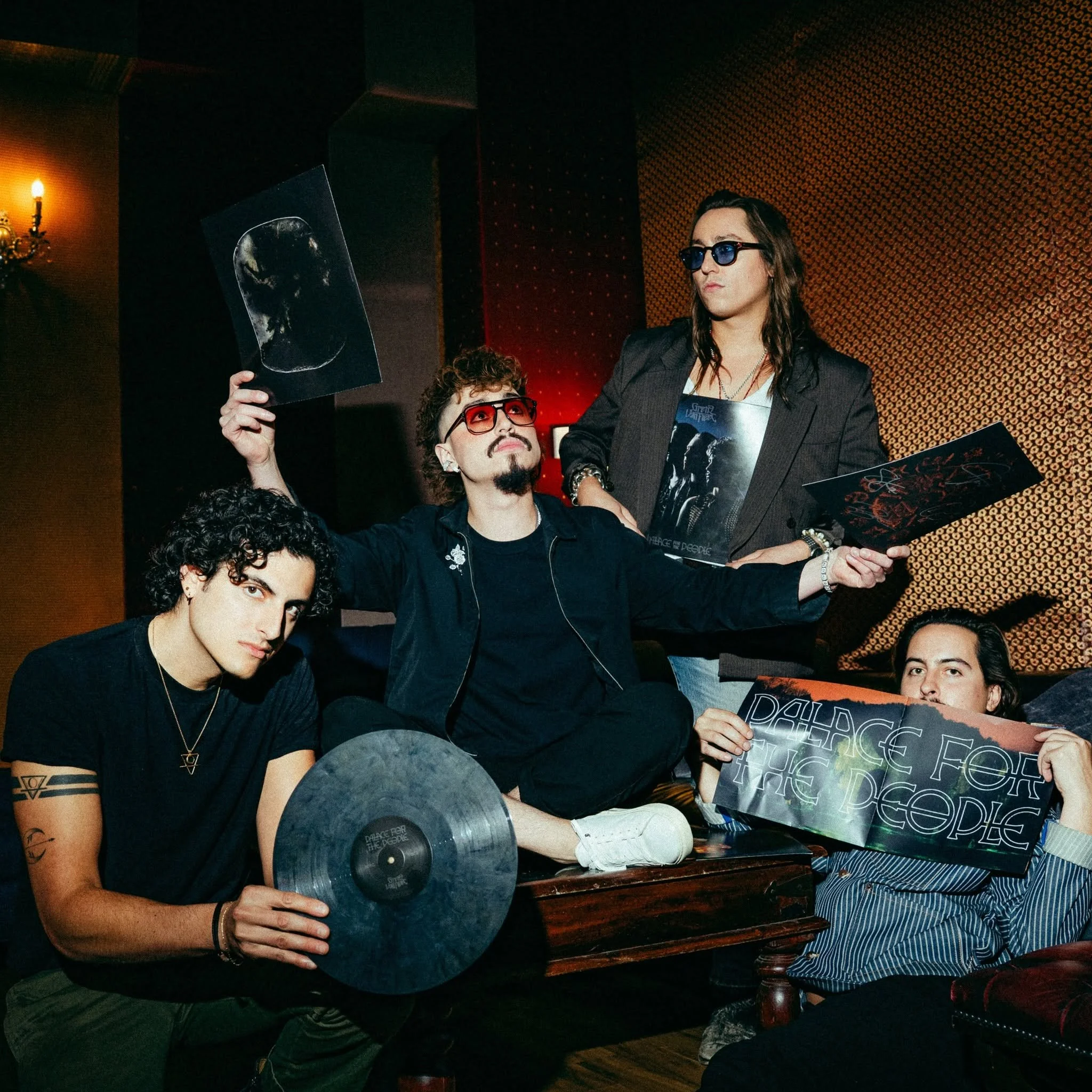
The album's production also plays a huge role in this shift. Mike Elizondo, whose previous work ranges through a wide range of artists and genres, brings a more specified approach to the record's complicated technical arrangements. The production works hand in hand with the band's need for dramatic instrumentation while also allowing the different textures to stand out across the track list.
Josh Kiszka remains one of the band's most immediate recognizable elements. His voice has the range and intensity to carry a song through even its most extreme moments, and his cutting delivery continues to give Greta Van Fleet its distinctive dramatic edge. On Palace for the People, that intensity is displayed, and Kiszka’s technical skills as a vocalist shine through in the wide range of arrangements. There are moments when his vocal performance seems determined to reach the highest possible point, and Kiszka achieves that goal and hits that mark constantly. This is where the album's quieter and softer pieces become especially valuable. By allowing the arrangements to breathe, songs like “Boughten Bliss” create space for a different kind of tender expression. The contrast makes the louder performances feel more deliberate and gives the record a greater sense of emotional range as well as instrumental range. The instrumental tie is equally important. Jake Kiszka's guitar work provides a huge helping of the album's character, moving between heavy riffs, melodic passages, and more exploratory lines. Sam Kiszka's bass and Danny Wagner's drumming give those ideas their physical foundation, keeping the music grounded even when the arrangements become more elaborate. The strongest performances shine through in the moments when the four musicians operate as a unit rather than as individual musicians. Greta Van Fleet is at its best when the instruments and vocals are in conversation, each part contributing to that larger sense of movement. Technical ability is valuable, but the chemistry of the players is what turns a collection of individual performances into a compelling band.
Returning to the review itself, “Touch Again” feels like a song that has been waiting for its moment, having been teased during live shows before finally finding its place on the record. The track builds toward a layered closing section, where strings add a cinematic almost dramatic quality to the arrangement. Josh Kiszka’s harmonica is another standout, bringing a familiar bluesy edge to the band's sound. It is a meeting point between the band's live-show energy and its appetite for grand, carefully constructed endings. With its prominent horns, “Heya” introduces a different kind of energy to the album. The brass adds a vibrant, almost celebratory texture that separates the track from the band's more guitar-driven material. Rather than relying solely on the distorted guitars and ranging vocals, this track experiments with a fuller, more rhythmically different sound. It is an interesting shift in color and tone, showing how the band can expand its sonic palette without leaving behind the larger-than-life quality.
“Call My Own” brings a more reflective tone to the album, with the lyric “without a dream we’re simply lost” standing out as one of its most direct statements. There is something fitting about this line on a record that is written by a band who were once boys with dreams of their own. Dreams and ambition have always been a part of rock and roll, but here the idea feels less about the idea of chasing something and more about the importance of having that something to chase in the first place.
“Born Into This” takes a larger approach, turning its attention toward human existence and the experience of finding one's place in the world. The track feels expansive in a unique way, leaning into its contents rather than entirely on the heavy instrumentation that holds onto much of the record. It gives the album another feel, allowing the more prominent ideas to settle in without needing to be written out. These moments of reflection are what makes Palace for the People feel like more than a return to the band's familiar sound.
Ultimately, Palace for the People feels like an album that understands what it does well but does not want to be confined to that space. The driving guitars, expansive vocals, and huge and complicated arrangements that have defined Greta Van Fleet are still present, but the acoustic passages, orchestral aspects, and unexpected instrumental choices make the album feel more willing to take those risks into new spaces and sounds. The willingness to explore new sounds, textures, and experiences is what makes this record stand out and truly connect to the audience.
