
Kelsey Lu Returns With A Reckoning: “So Help Me God”
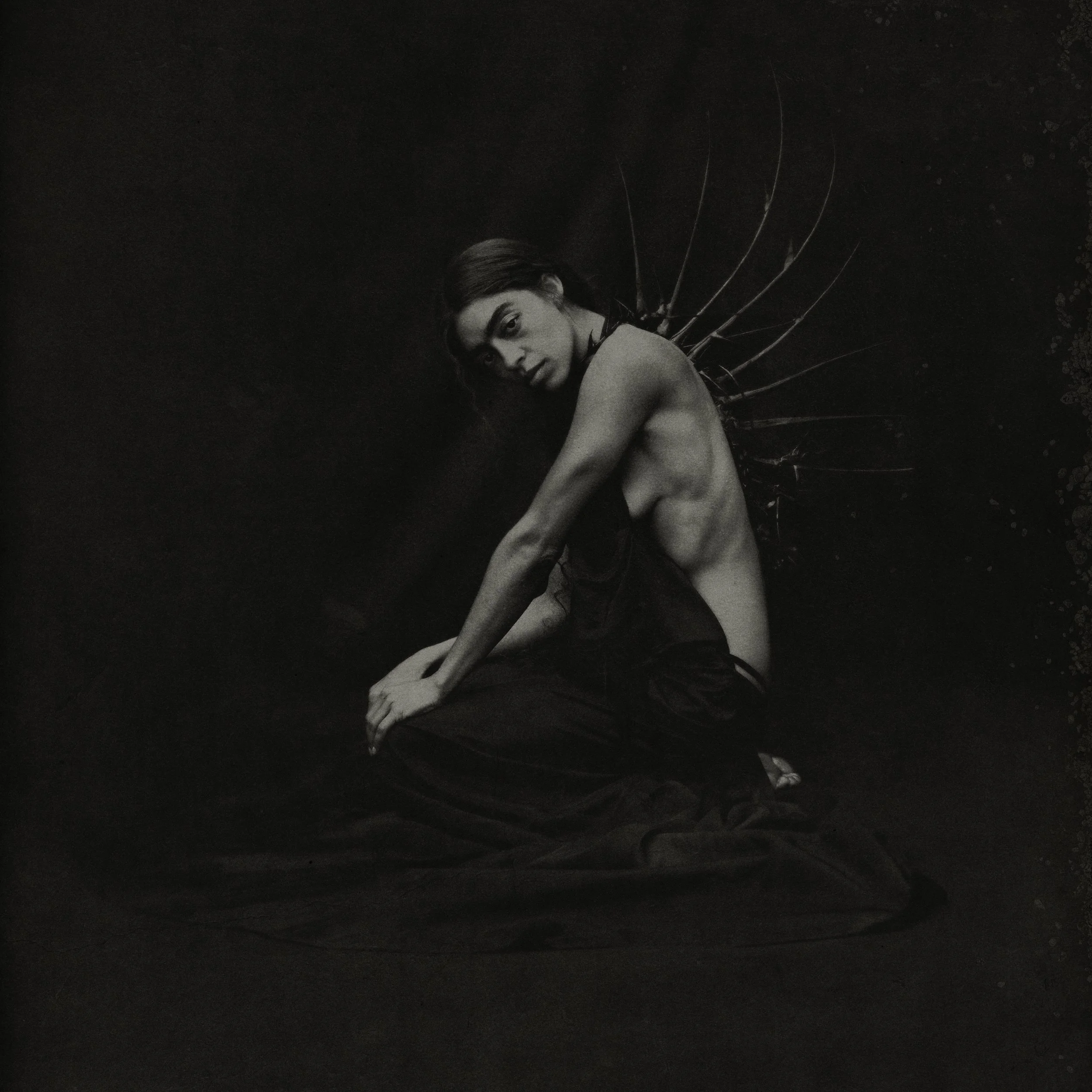
Kelsey Lu charmed the music world in 2019 with their acclaimed debut album Blood. Since then, Lu has scored soundtracks and recently had an 8-show Blue Note residency across Los Angeles and New York. The classically trained cellist is making their return seven years later with a reckoning spanning ten tracks, So Help Me God. The past seven years have been riddled with various experiences for the singer, highs and lows alike. The record (co-produced with Jack Antonoff and Yves Rothman) speaks to transformation, devotion, and surrendering to the imperfections that come with the human condition. There’s a level of candor to the album; it’s visceral like a delayed emotional release. Healing isn’t glamorous, and So Help Me God explores the uglier parts of that process. Nature is a motif strung throughout the album, a constant that grounds the tumultuous thoughts and feelings that Lu endures.
“Can’t take a sin from a sinning man, he’s not my burden, it’s in your hands, you are the reaper up to decide what you want, baby, I’m not your guide.” The first song, “Reaper”, is a slow and steady opener to the album, composed of R&B and jazz-like elements with Lu’s vocals guiding the narrative. The track spans 8 minutes and takes listeners on a transcendent journey whilst describing not being someone’s saviour. In the second half, the instrumentation breaks with percussion and a sultry horn solo entering the forefront. Lu’s vocals are silky smooth and hypnotizing.
The second single to be released follows: “Portrait Of A Lady On Fire”, which was inspired by the 2019 romance/drama film by the same name. The track begins with the melody of a cello that feels dark and foreboding before the feeling is lightened by Lu’s falsetto of “Burning desire, do you ever get like this, I wonder?” Lu likens the connection between them and their lover to elements found in nature- “closed like a rose, wrap up your petals into your own damn self. Like weeds in the field, we yearn a connection.” Lu questions if their level of desire is ever felt by the subject of the song as well. There’s a push and pull between the intensity of feelings felt by Lu and the uncertainty of the level of reciprocation from the other person. The sonic choices of the track and Lu’s hushed vocals feel mysterious, cloudy, and hazy.
Track three, “What Can I Do,” is more stripped back, a dreamy ballad backed by acoustic guitar that expands on desire and leans into devotion. “Drowning in this feeling, is this freedom? I don’t know, cause my heart’s chained to you.” The feelings for this person grow, but the courage to express them isn’t present. It’s a track about feeling helpless when falling for someone, and the uneasiness that can come from it. Lu’s vocal abilities notably shine through the minimal production.
“Running To Pain” is track four and was the first single to be released. The act of returning to something or someone you know isn’t good for you is the focus thematically. There’s a cycle that can occur when you’re not able to let go of something that isn’t good for you, “I forget how much it hurts me every time… still I keep running back to pain, it keeps me sane.” Lu’s vocal delivery on the track reads as pleading at moments, expressing the severity of how the cycle affects them; the severity of the theme is dressed up in the contrasting light and airy instrumentation.
The fifth track, “Comfort,” is about longing for exactly that: to find comfort again. The track is one of the most cinematic on the album, blooming from being stripped back with piano chords and an acoustic guitar into something grander as it progresses. At its height during the bridge, the track reaches an orchestral climax. Comfort is personified in the lyrics; instead of a feeling, it’s a person that Lu is searching to find again. After spending so long in a spiral of accepting what’s wrong for you, the need to reach emotional stability mirrors yearning for a lover.

The three-track run that follows is arguably the most heavy-hitting on the record. Beginning with track six, “American Sonnet,” is driven by piano and spans 7 minutes. It’s a powerful letter to nature and all that it encompasses in America, the grief and history that it holds. Lu’s vocals are the center of the track, with the minimal production surrounding them. “852” is gritty and dark as Lu reflects on the end of a relationship. This reflection hides behind no masks, adressing flaws of both parties candidly. It’s a testament to the narrative throughout the album and showcases how Lu bares all without shying away.
Reflection turns into detonation on “Only The Lonely”. “If I could take back time, I’d tell you I’d never forgive you / Only the Lonely could feel like they’d know me.” Lu recounts mistakes made during the relationship and wrongdoings as it progressed. Despite it all, there’s still a sentiment that regret isn’t present. Strings and a repetitive drum loop adorn the track, with aching vocalizations topping it off. The conclusion reached after this three-track run marks the beginning of acceptance.
Track nine, “Better Than That” (the third single that was released), begins with a gentle piano instrumental and Lu’s soft vocals. It details the negative situation that they’re walking away from involving this lover. Sampha is featured on the track, and he makes his presence known mid-track with vocals that echo and ad-lib Lu’s sentiments. There’s an emotional build in the vocal delivery as the track swells to explode in the second half: “Ripped the curtain off the blinds, let the light in. The black light aligns with my sins of yesterday.” The admission ushers in an R&B-esque percussion. Lu reaches a point of honesty on the track, knowing they were wrong to make certain decisions, but they say they wouldn’t do things differently. Sometimes, the only way to grow is to make mistakes and learn the hard way.
The album closes with “Cutting Off The Head Of A Ghost”, a track about letting go of a love doomed from the start. The song feels anthemic, the chorus elevating to deliver an arena-rock feeling in the instrumentation and earnestness of the lyric delivery. The guitar is gut-punching, and the intensity of the track is undeniable. It’s a full circle thematically, and it showcases a level of growth for Lu from the beginning of the album. The cycle is broken, the need to hold onto things that don’t serve you and only hurt you in the end is gone. It’s grand, finite, and celebratory- the perfect close to an album so heavy sonically and thematically. So Help Me God is a masterful showcase of Kelsey Lu’s personal and artistic growth following Blood seven years ago, and it was well worth the wait.
