
Ska-Punk and Reggae Influences in Alternative Rock of The '90s
In the early to mid 90s, there was a ska-punk revival and renaissance, also known as “third wave Ska.” Ska-punk was first introduced in the 1970s when punk bands, like The Specials and The Clash, were exposed to an influx of Jamaican and Caribbean immigrants who brought reggae and ska into London. The punk scene was thriving at the time and thus the hybrid mixture of these genres was born. This genre-bending technique is prominent in other punk bands such as Bad Brains, who pioneered hardcore punk and reggae. Although their music is far more mosh-worthy, Bad Brains is one of those bands that laid the foundation to a blend of genres that aren’t supposed to work but do. This magical blend of reggae guitar sounds, punchy ska trumpets, and punk was prevalent in bands like No Doubt.
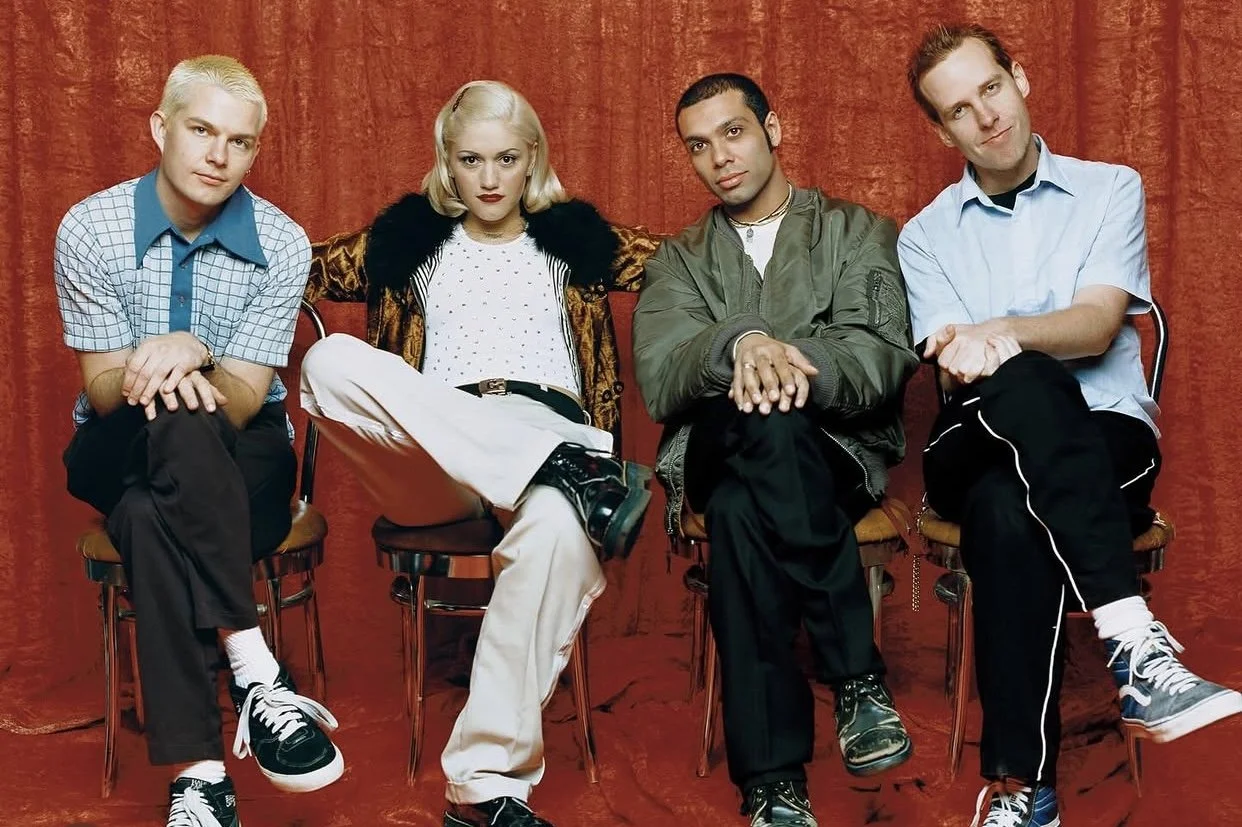
No Doubt via Instagram.
Formed in 1986 by Gwen Stefani, her brother Eric, and John Spence, the band’s name originates from Spence’s habit of saying “no doubt” in response to anything. The band regrouped after a hiatus following the tragic passing of Spence, and soon enough Gwen Stefani became the face of No Doubt with her iconic pencil-thin eyebrows and bleached blond hair. Their iconic song “Spiderwebs” from their 1995 album Tragic Kingdom features those punchy trumpets and a fast tempo guitar that mellows into reggae up-strokes. Similarly their track “Bathtub” from their moodier, dreamy album Return of Saturn (2000), shares those vibes. More reggae influences kicked in later albums like Rock Steady (2001)– named after the Jamaican music genre of the same name– when Bounty Killer and Lady Saw were featured on “Hey Baby” and “Underneath it All.”
The ‘90s was a time when rock music became the most versatile. Nu-metal was introduced and alternative indie rock was thriving. The ska-punk and reggae-fusion was a refreshing step away from the era’s previous grunge phase, which had gloomier, angsty tones. This new wave of rock was often considered “surfer music” as some of the bands were from the West Coast. Originating from Long Beach, California, Sublime was another mainstream band that took on these musical influences. The band was known for the humorous social commentary in their lyrics paired with a catchy, laid back rock-reggae tune. Their self-titled album songs like “Wrong Way” come to mind, which is about a fourteen year old prostitute– a commentary on young kids being put into bad lifestyles and the difficulty of breaking these cycles. In contrast, “Caress Me Down” is a light-hearted, sexually-charged song sung in mostly Spanish by frontman Bradley Nowell— inspired by Nowell’s upbringing in the Mexican neighborhoods of Long Beach. Sublime’s most famous song “Santeria,” a story about practicing black magic to get back to their ex, describes their music in a nutshell.
Then we had bands like 311 who mixed rock, reggae and rap vocals. Formed in Omaha, Nebraska, the band’s music reflects a more Californian surfer vibe, typically due to their distinct sound. Songs like “Amber” and “Champagne” from their 2001 album From Chaos are a testament to this due to their hippie, mellow tunes. But the band also shows versatility with “Life’s Not a Race” from Soundsystem (1999) which has more of a Latin, Carlos Santana-inspired rhythm. Compared to the angry, hostile nu metal angst that was popping off in the late 90s/early 2000s at the same time, 311’s lyrics take a more positive approach. In a House of Blues interview in 2000, lead singer Nick Hexum stated that while their music is positive it’s “not just mindless positivity, it’s about the struggle to stay positive.” And even though 311 was given a stoner image by the press and their fans, Hexum stated that the stigma was “overshadowing the music” which made him turn to sobriety for their 2000 tour. He described making music as a “natural high” and encouraged others to “sensitize” themselves to the natural highs of life instead of substances. A very hippie take that incapsulates the feel-good, happy-go-lucky approach of reggae-rock.
