
The Music Never Stopped: The Life & Legacy of Bob Weir
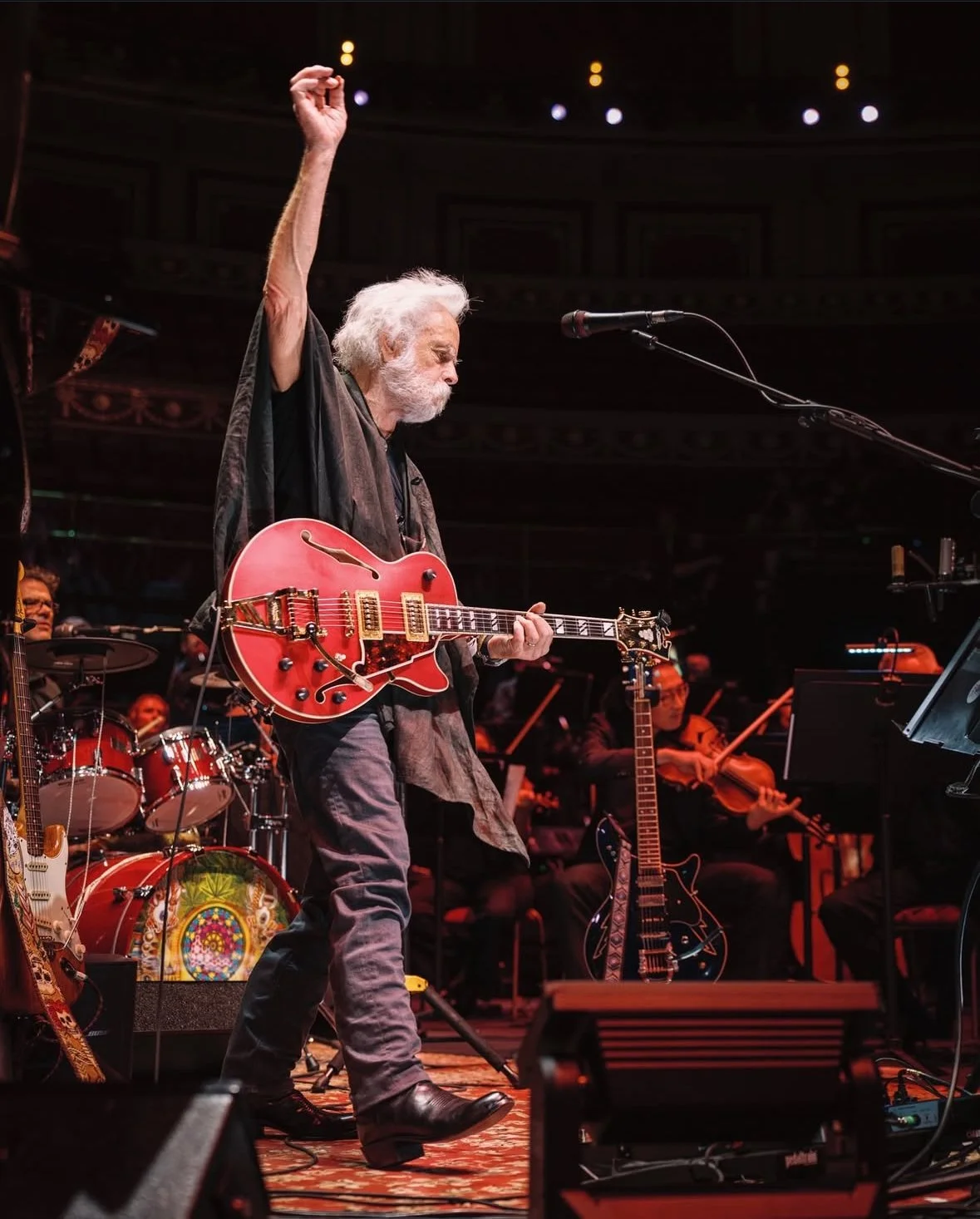
Photo via Chloe Weir
For more than half a century, Bob Weir has been a force in American music. As a founding member of the Grateful Dead, Weir helped shape not only one of the most influential bands of all time, but an entire vision on how music could be created, shared, and experienced. The Dead weren’t just a rock band- they were a community built around live performances, improvisation, and that relationship between musicians and audience. From the beginning, Weir was a driving force to that idea.
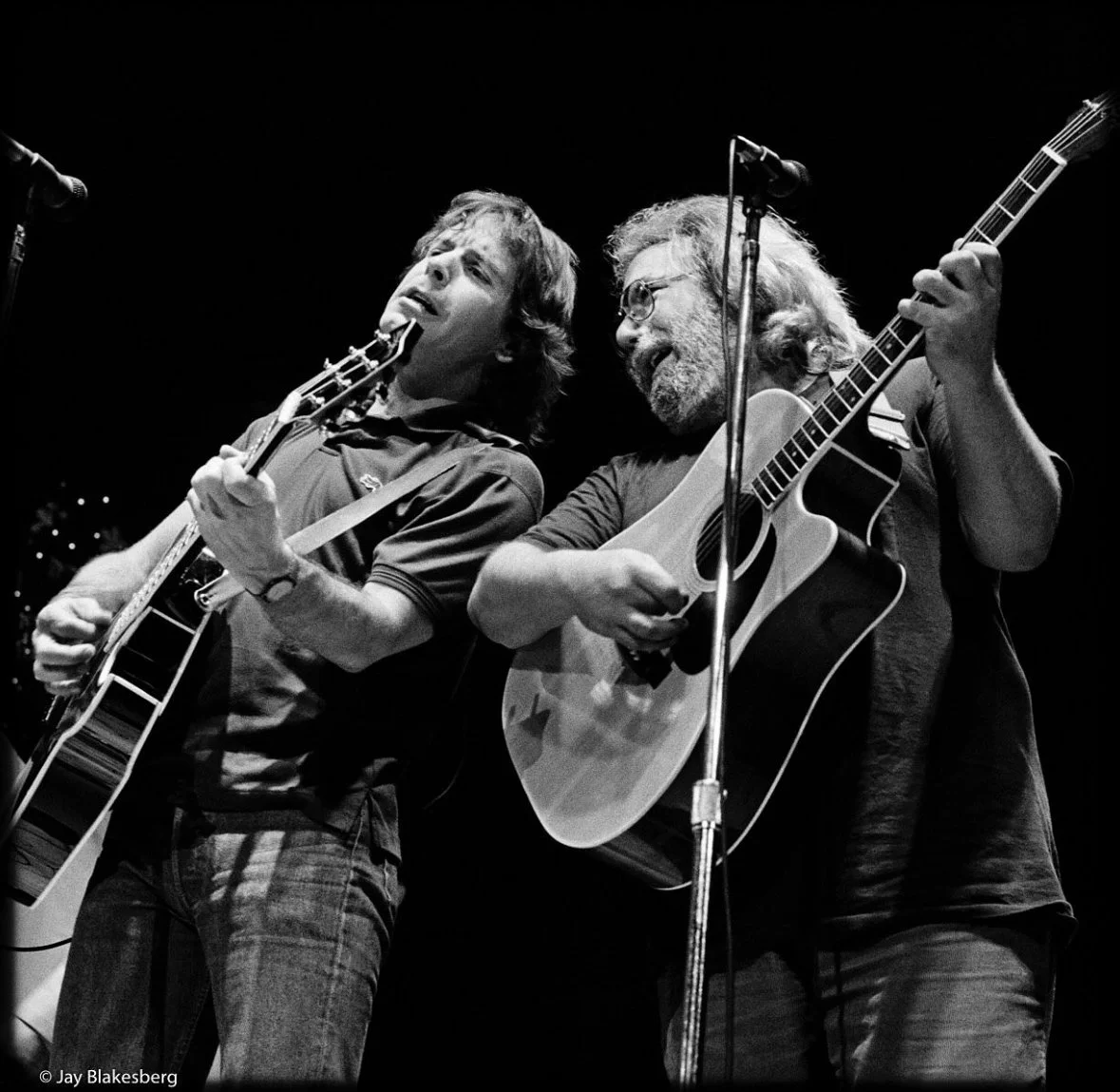
Although Jerry Garcia often receives most of the attention around the Grateful Dead, Weir’s role in the band was just as huge. His guitar playing focused on rhythm rather than solos, often using sharp chords that drove the songs in unusual directions. Instead of forcing the music into something predictable like a lot of music, Weir brought a sense of flow to it. That flexibility gave the band freedom to experiment when performing live, turning every show into something different. It’s a big reason why fans followed the Dead from city to city- no two nights ever sounded the same.
Weir was also a key songwriter for the band. Alongside lyricists Robert Hunter and John Perry Barlow, he helped write many of the Grateful Dead’s most long-lasting songs, including “Sugar Magnolia,” “Truckin’,” “Jack Straw,” and “Estimated Prophet.” These songs captured a sense of energy and curiosity that brought meaning to the band. They weren’t just about romance or rebellion; they were about travel, risk, friendship, and trying to find meaning while constantly being on the road. Decades later, those themes still connect with new generations of listeners.
One of the most impressive parts of Weir’s career is how he’s continued to grow as an artist instead of stopping to sit in the past. After the Grateful Dead stopped touring, Weir stayed active through projects like RatDog, Furthur, Dead & Company, and later his work with the Wolf Bros. Rather than treating the music like something done, he turned it into something still moving. Songs were slowed down, rearranged, and even entirely reimagined. For longtime fans, this could be a new and unusual feeling, but that willingness to change has kept the music alive.
Weir’s more recent performances reflect that energy. As he’s gotten older, his playing and singing have become more intentional and reflective. The tempos are slower, choices are made thoughtfully, and the focus is often found in the feeling of the song. Instead of trying to recreate the past, Weir has shed light on where he is now, showing that aging doesn’t have to mean losing success. In many ways, his later work adds new layers to songs written decades earlier.
Photo via Jay Blakesberg
Beyond the music itself, Bob Weir’s legacy is tied to the values he’s made light of throughout his career. He’s emphasized the power of group over individual energies and messiness over perfection. The Grateful Dead’s culture built on community, connection, and shared experience continues to influence jam bands, touring, and many music scenes today.
Bob Weir’s impact can’t be summed up by hit songs or record sales alone. His career stands as proof that music doesn’t need to have a clear ending to hold that impact. It can change, adapt, and continue to impact the artist and the audience. That ongoing commitment to growth and connection is what makes Bob Weir’s legacy endure.
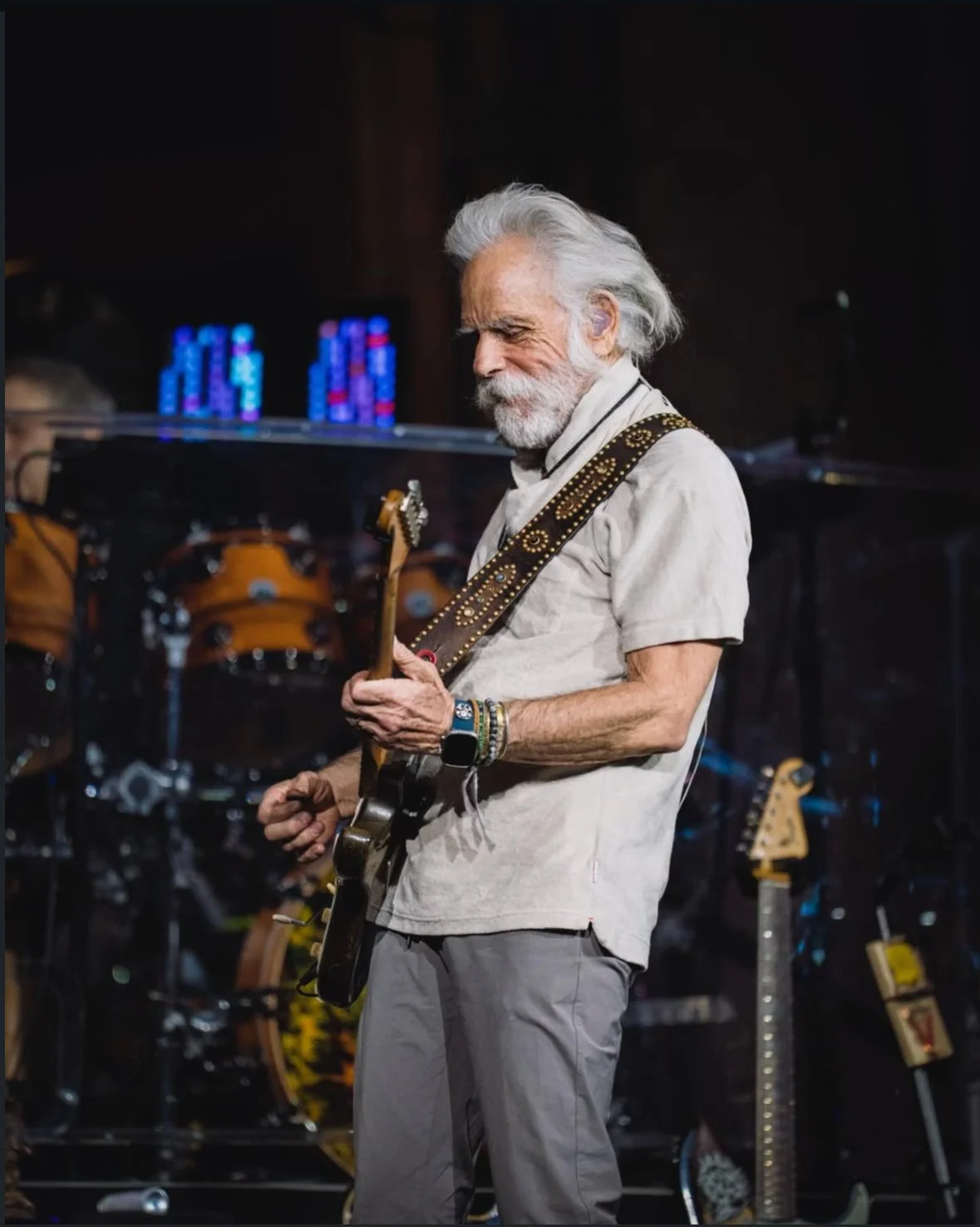
Photo via Chloe Weir
