A Place to Be Exactly Who You Are: MUNA in Austin, TX
09.19.26 - Austin, TX
There are concerts where the crowd watches a band, and then there are concerts where the distinction between the stage and the audience begins to disappear. At Moody Amphitheater in Austin, TX, MUNA created the latter. Their performance was playful, political and deeply personal, moving effortlessly from infectious pop anthems and irreverent jokes to moments of vulnerability and reflection. With Hemlocke Springs setting the tone earlier in the evening, MUNA transformed the venue into a space where queer identity, self-expression and community could be celebrated without restraint.
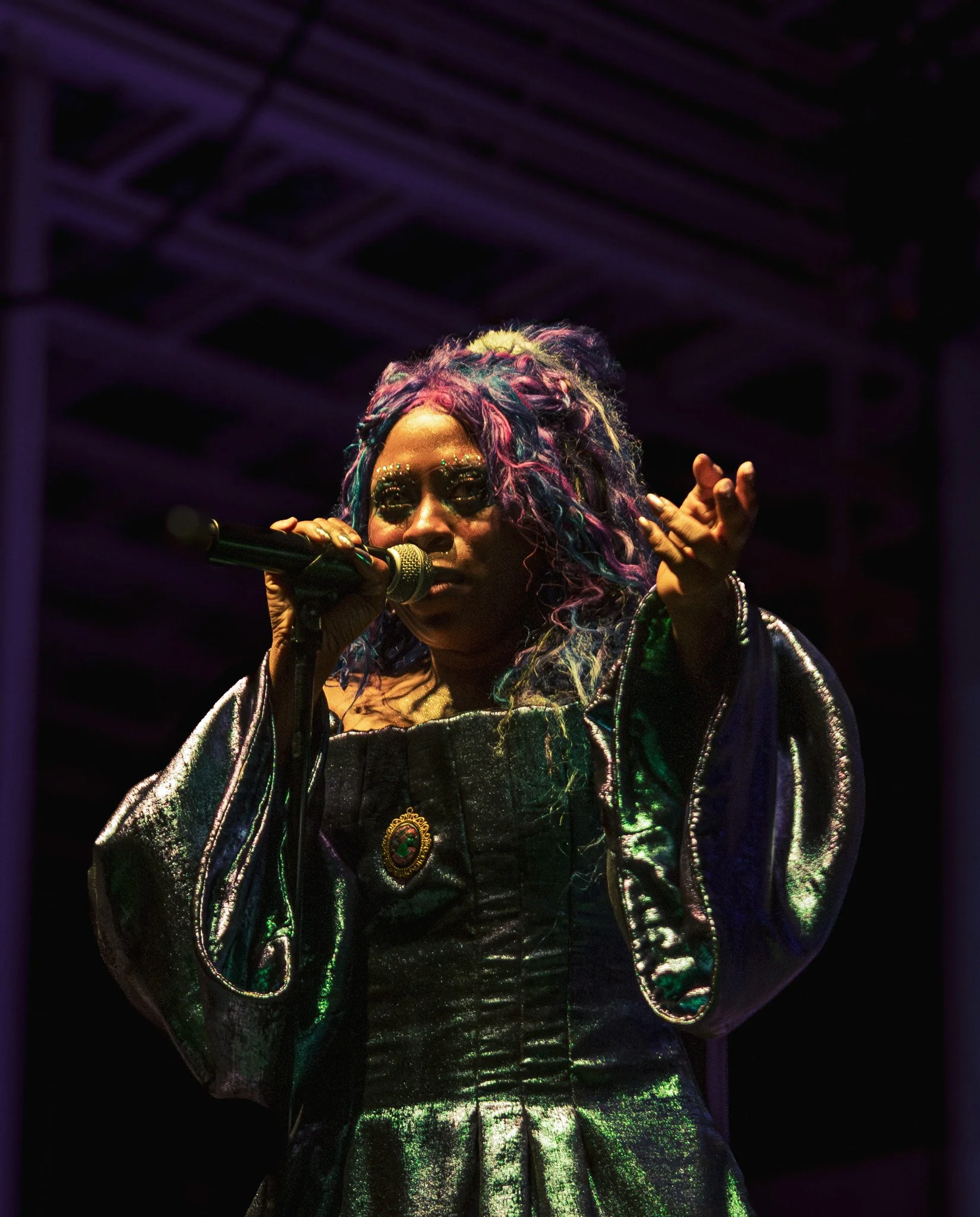
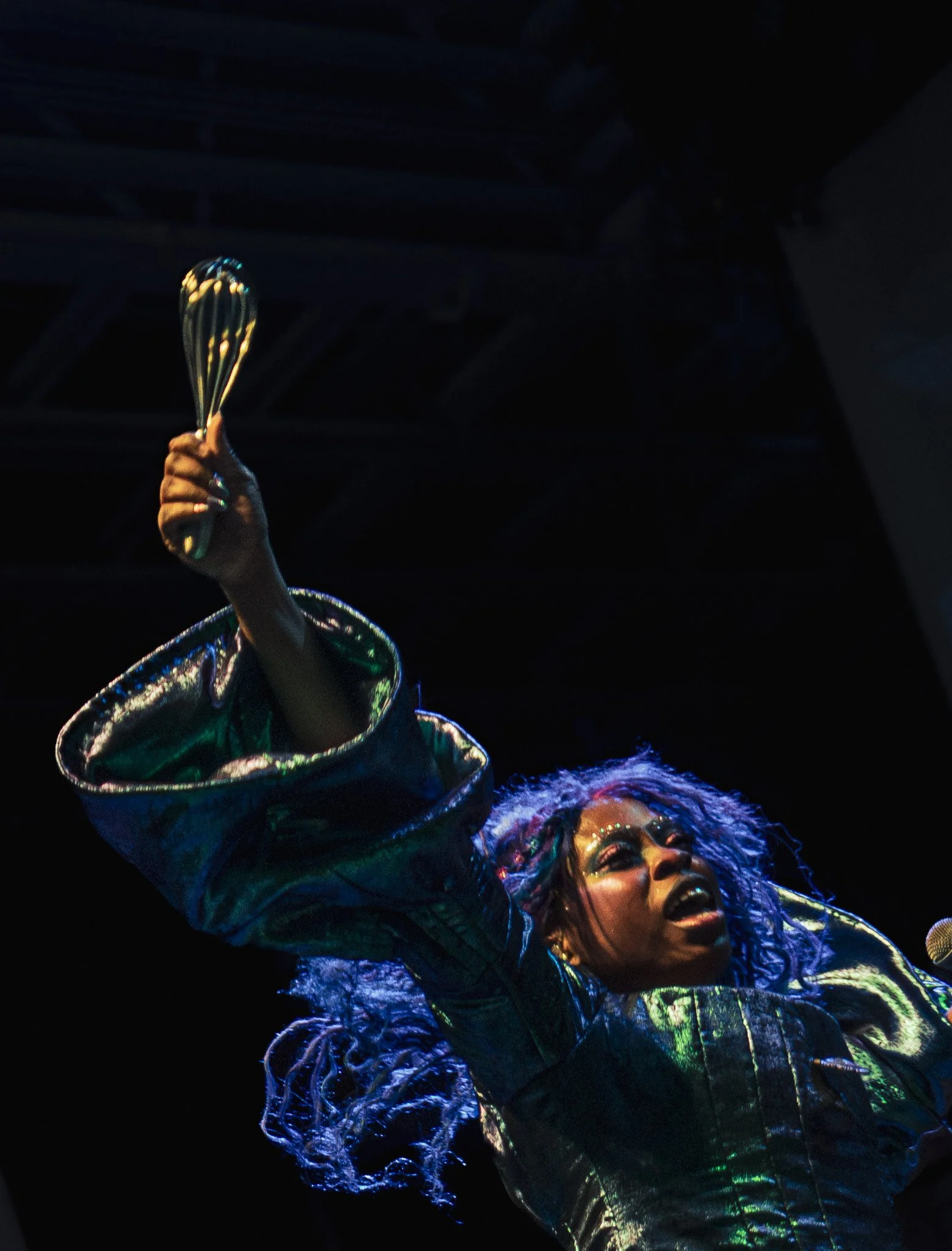
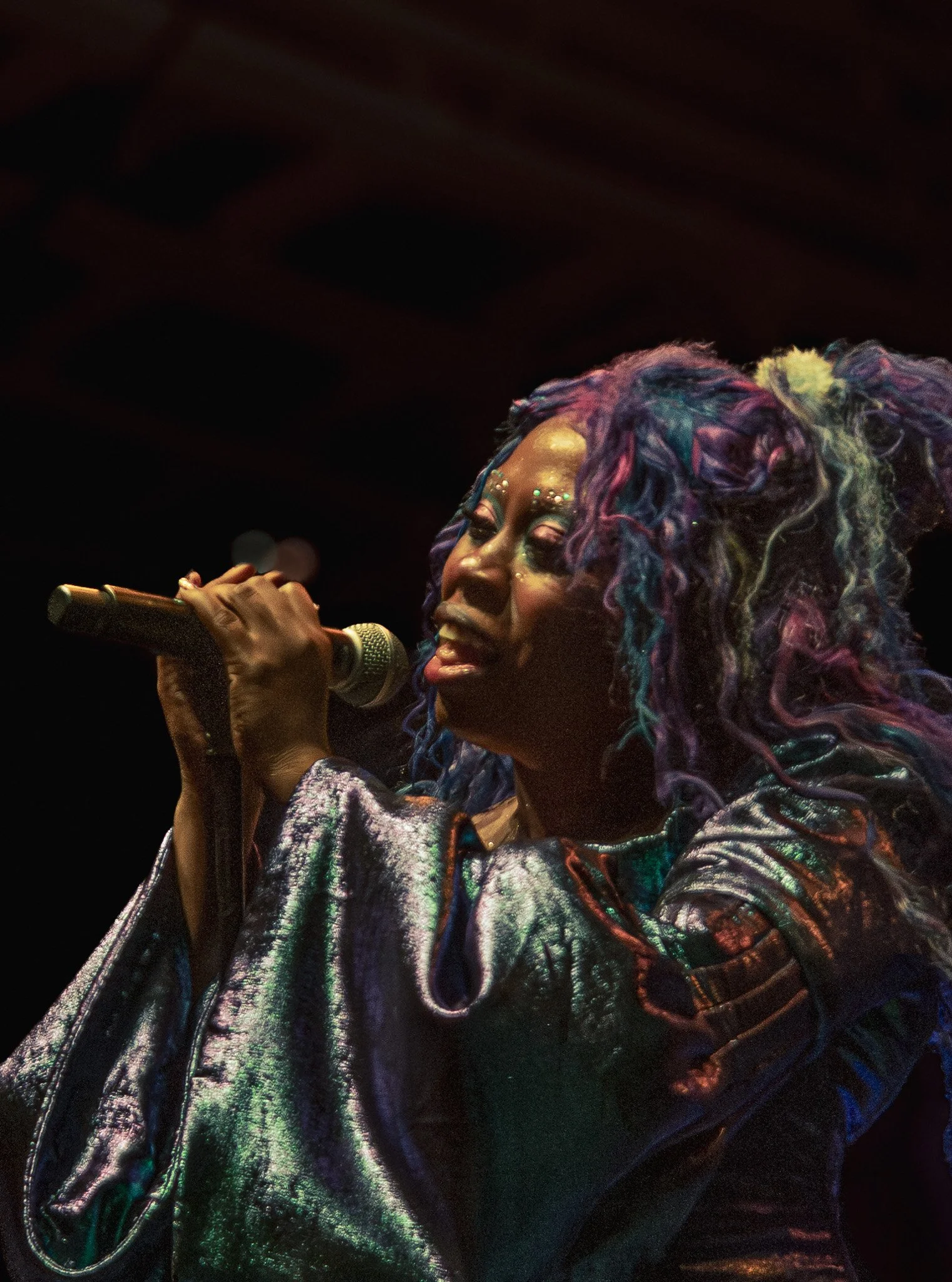
Hemlocke Springs wasted no time making Moody Amphitheater feel alive. From the beginning of her set, she easily captured the crowd with her animated dances, chants and playful stage presence, keeping the entirety of the GA lawn on its feet. During “the beginning of the end” the audience appeared almost hypnotized, swaying along with the song, while her recently released track “gloria!” was met with immediate cheers.
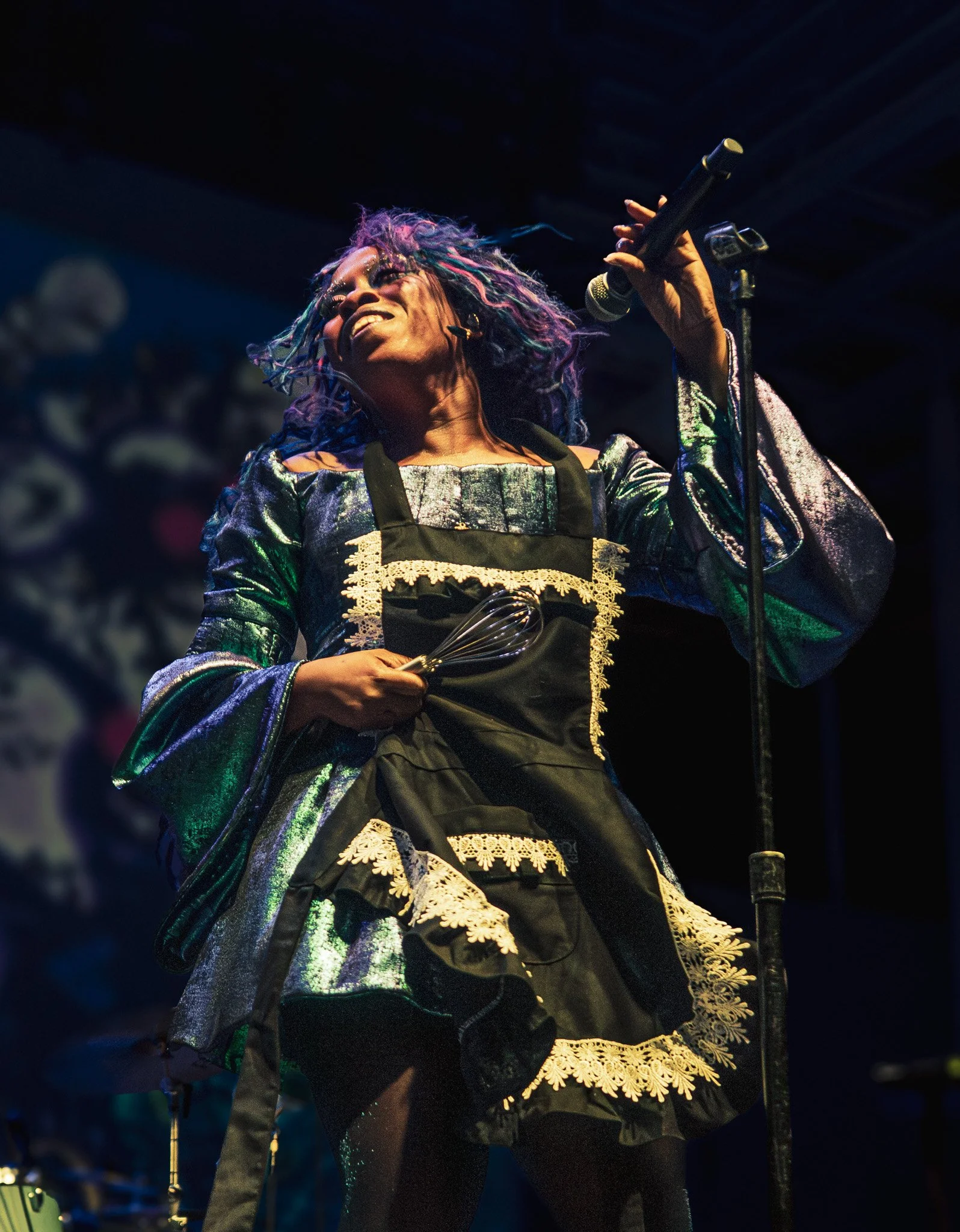
Photo by DeAnna Garza - @shotbydeanna
Her performance leaned fully into whimsical self-expression. Fans raised their hands with the music, couples jumped and danced together, and Hemlocke Springs’ air strumming sword choreography inspired an enthusiastic loud cheer from the crowd before her. When she called out “Anyone out there?,” to introduce her song “enknee1” the response was immediate and loud.
Before leaving the stage, Hemlocke expressed her gratitude to both the crowd and MUNA for giving her the opportunity to perform and represent the Queer Black community. Her set felt deeply connected to that idea of representation – music as something that can reveal a deeper part of yourself and resonate differently with every audience. By the end, her whimsical energy had established the tone for the night.
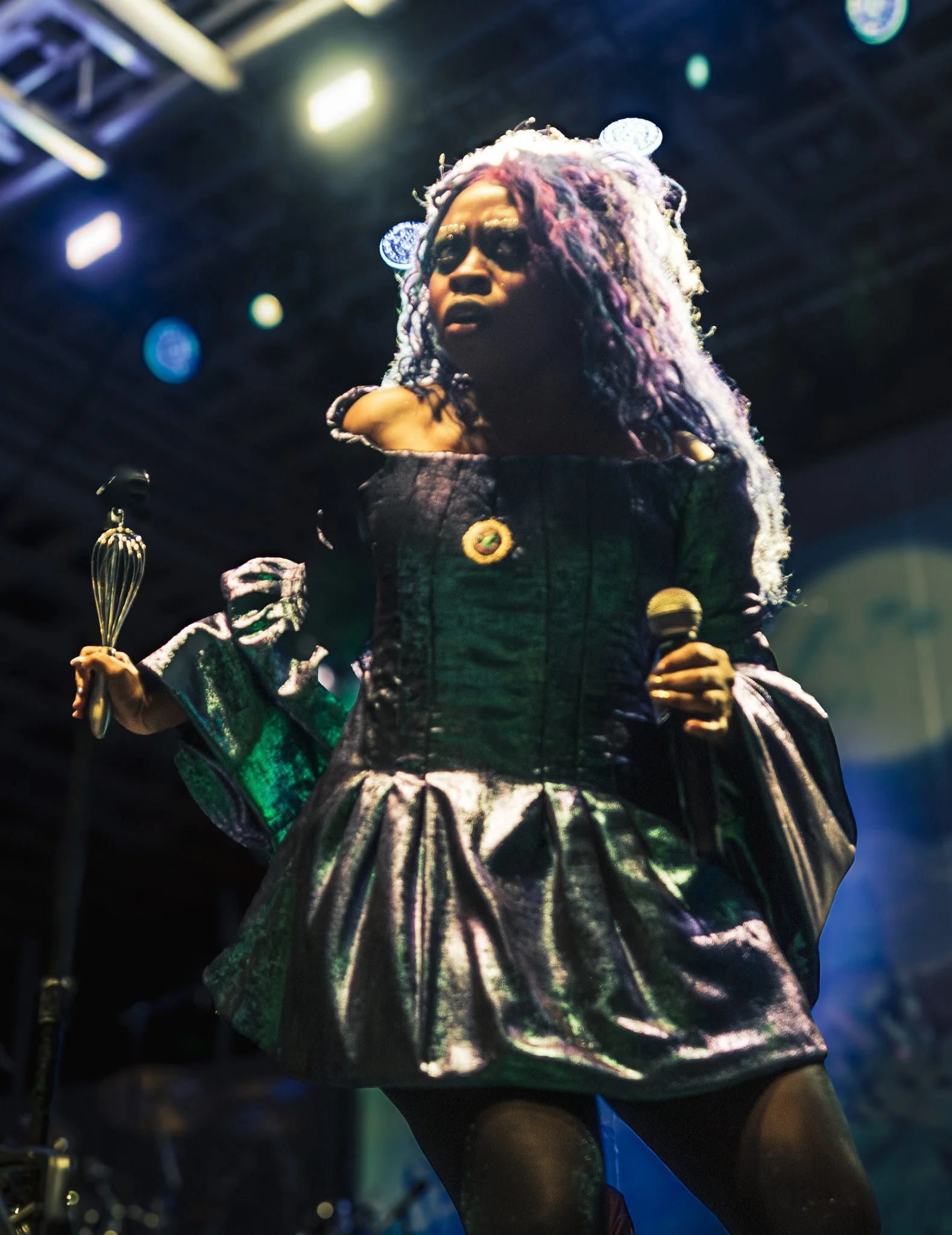
Photo by DeAnna Garza - @shotbydeanna
And then MUNA took the stage.
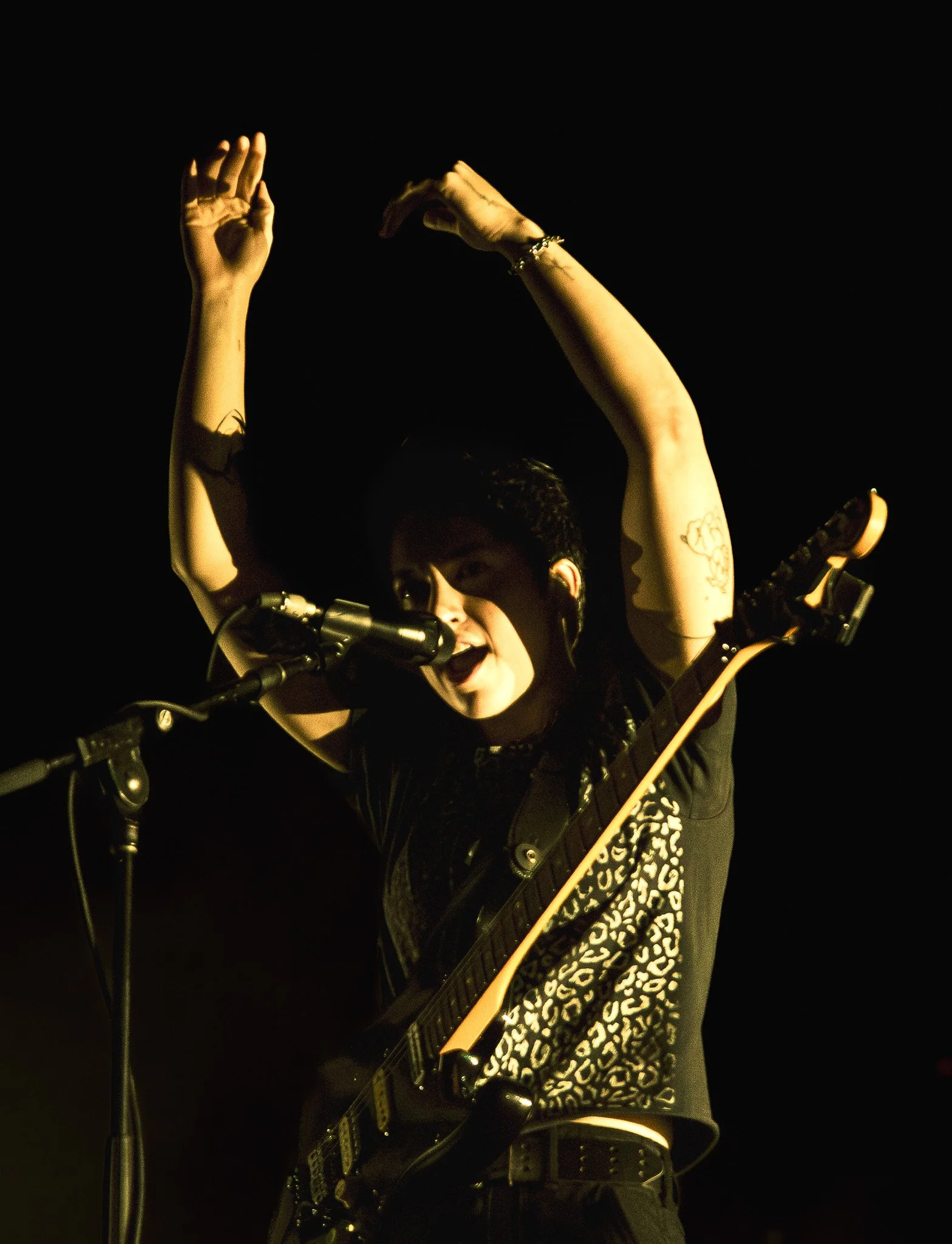
The first sound that boomed through the amphitheater was enough to send a roar amongst the audience. From there, MUNA’s set unfolded with the ease of a band completely comfortable in its own identity.
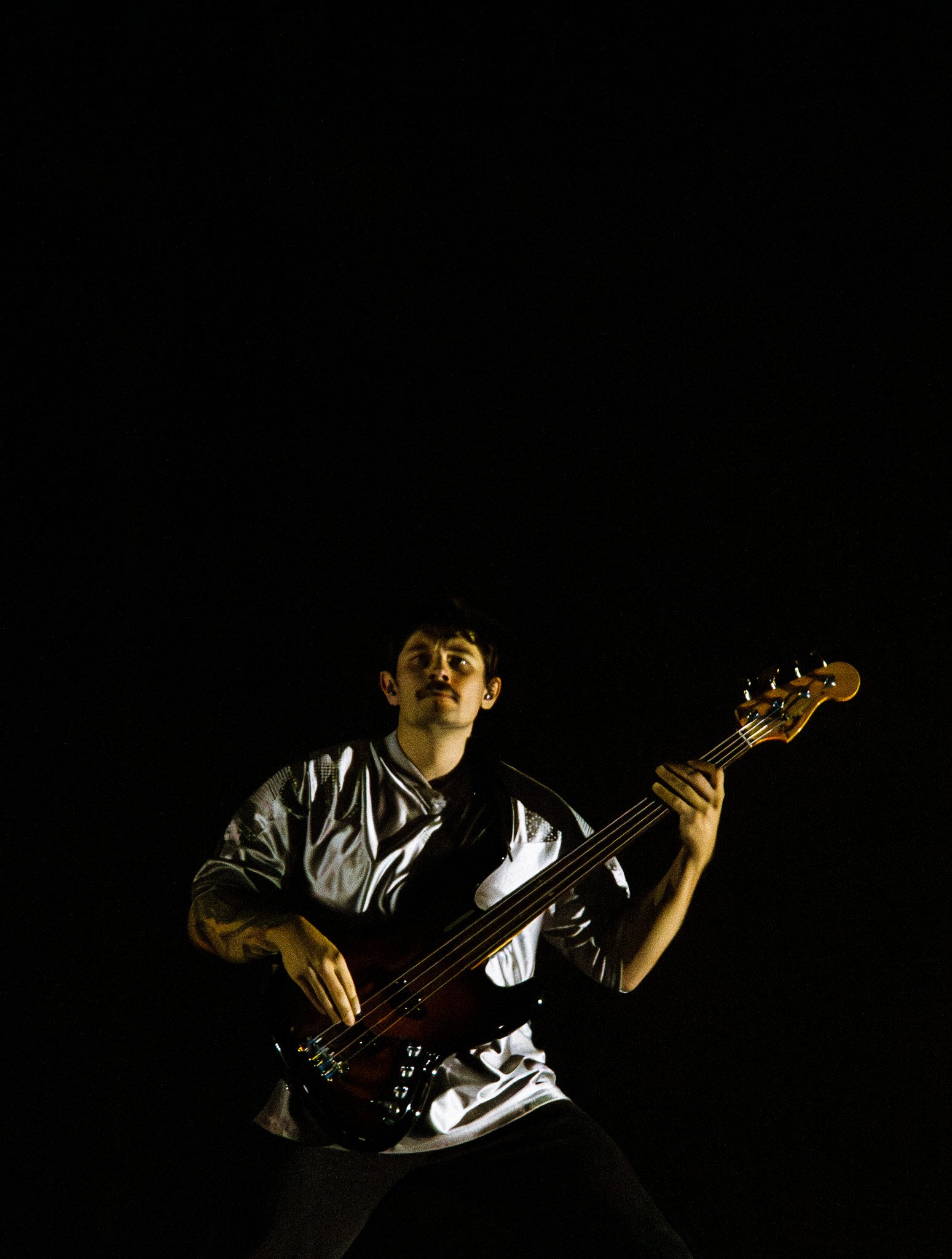
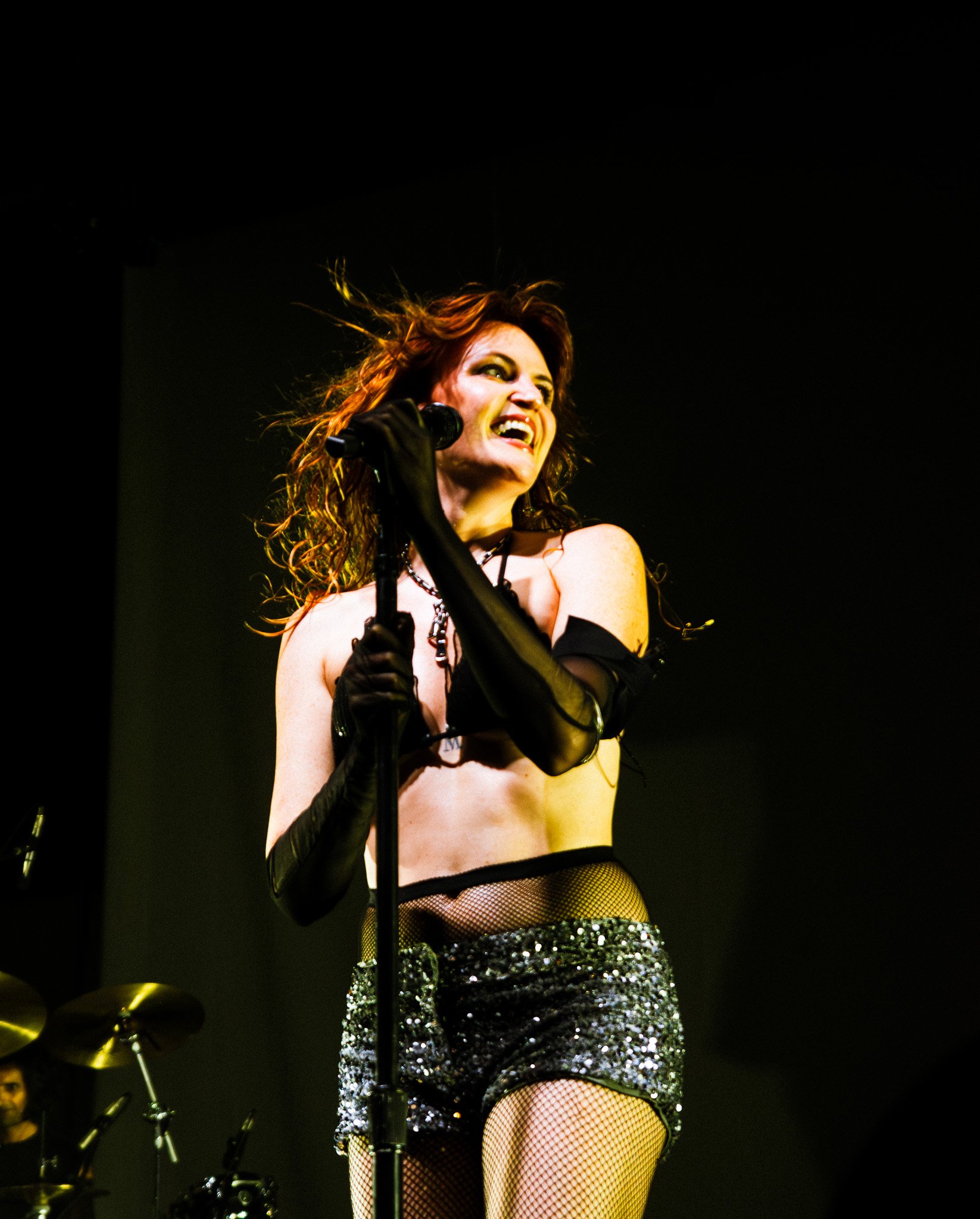
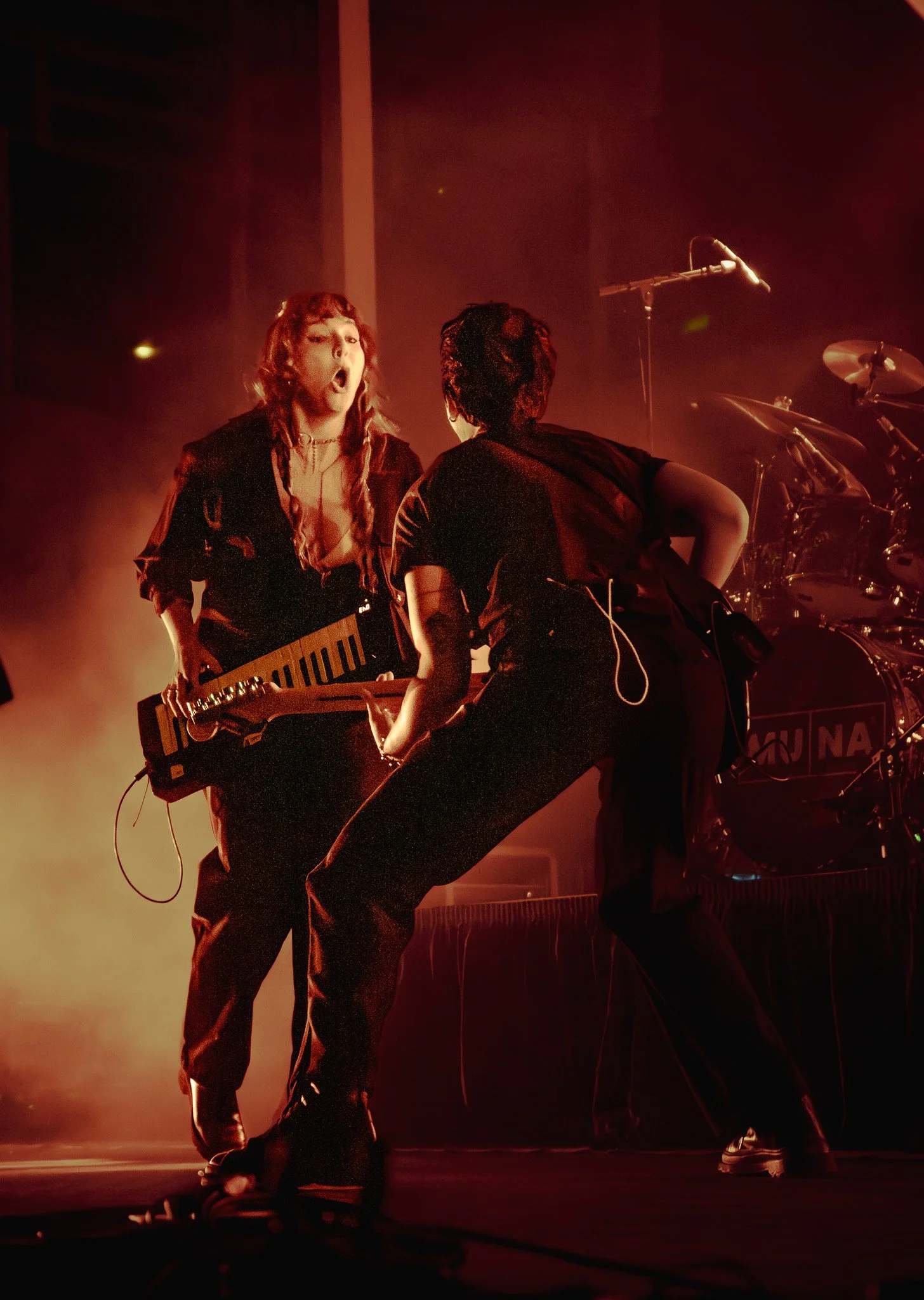
Much of that confidence came through their interactions with the crowd. Lead singer, Katie Gavin, noticed fans’ dance moves and copied them onstage, turning individual moments in the crowd into part of the performance. A teasing dance between Katie and Josette, lead guitar, became another playful exchange that had the audience invested. During “On Call,” a high note drew one of the loudest reactions of the night.
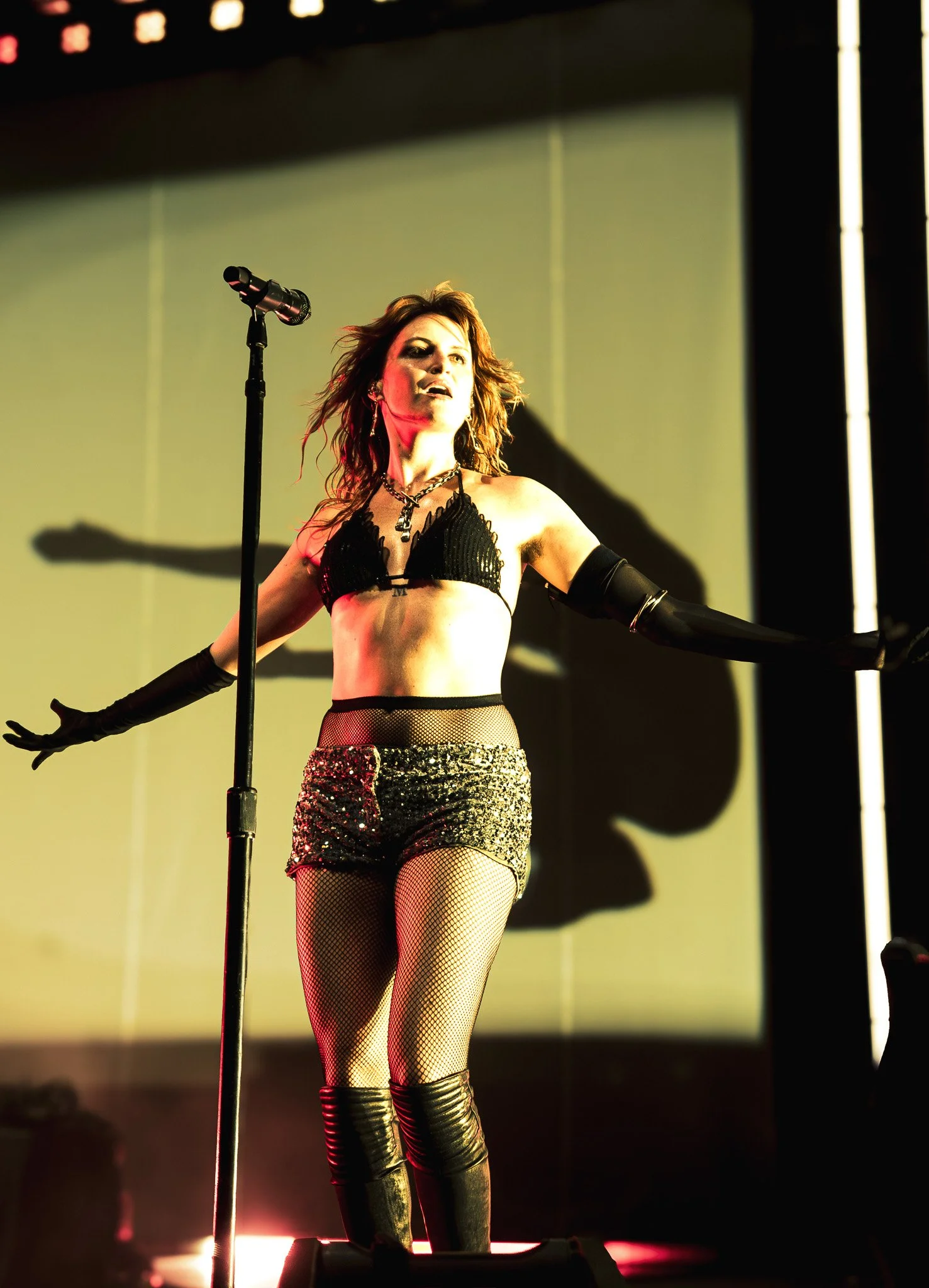
Photo by DeAnna Garza - @shotbydeanna
But MUNA’s performance wasn’t built solely around spectacle. Before “Big Stick”, the band used their platform to advocate for a free Palestine, bringing their political convictions directly into the show. It was a reminder that their identity as a band extends beyond their music and into the communities and causes they choose to stand alongside.
The set later took an intimate turn when MUNA brought out a violin. The live instrument immediately changed the atmosphere, drawing the audience’s attention toward the stage as drinks and hands lifted into the air. During the acoustic portion that followed, the group checked in with the crowd between songs, creating a more conversational rhythm.
Naturally, they couldn’t stay serious for too long. MUNA jokes about not being the “lesbian friend group to have sex with each other” because they were “too medicated,” a moment that captured the band’s ability to move effortlessly between sincerity and humor. That balance became especially meaningful as the night moved toward its emotional center.
Austin carried a sense of homecoming for MUNA, and they took the time to acknowledge everyone who had helped them reach this point. Their gratitude became one of the night’s most vulnerable moments, with the band reflecting on their journey while the audience listened closely. That emotion carried into “Taken” where tears could be seen throughout the crowd; paired with “Kind of Girl” the song also reinforced one of the clearest themes of the performance: MUNA’s insistence on being exactly who you are.
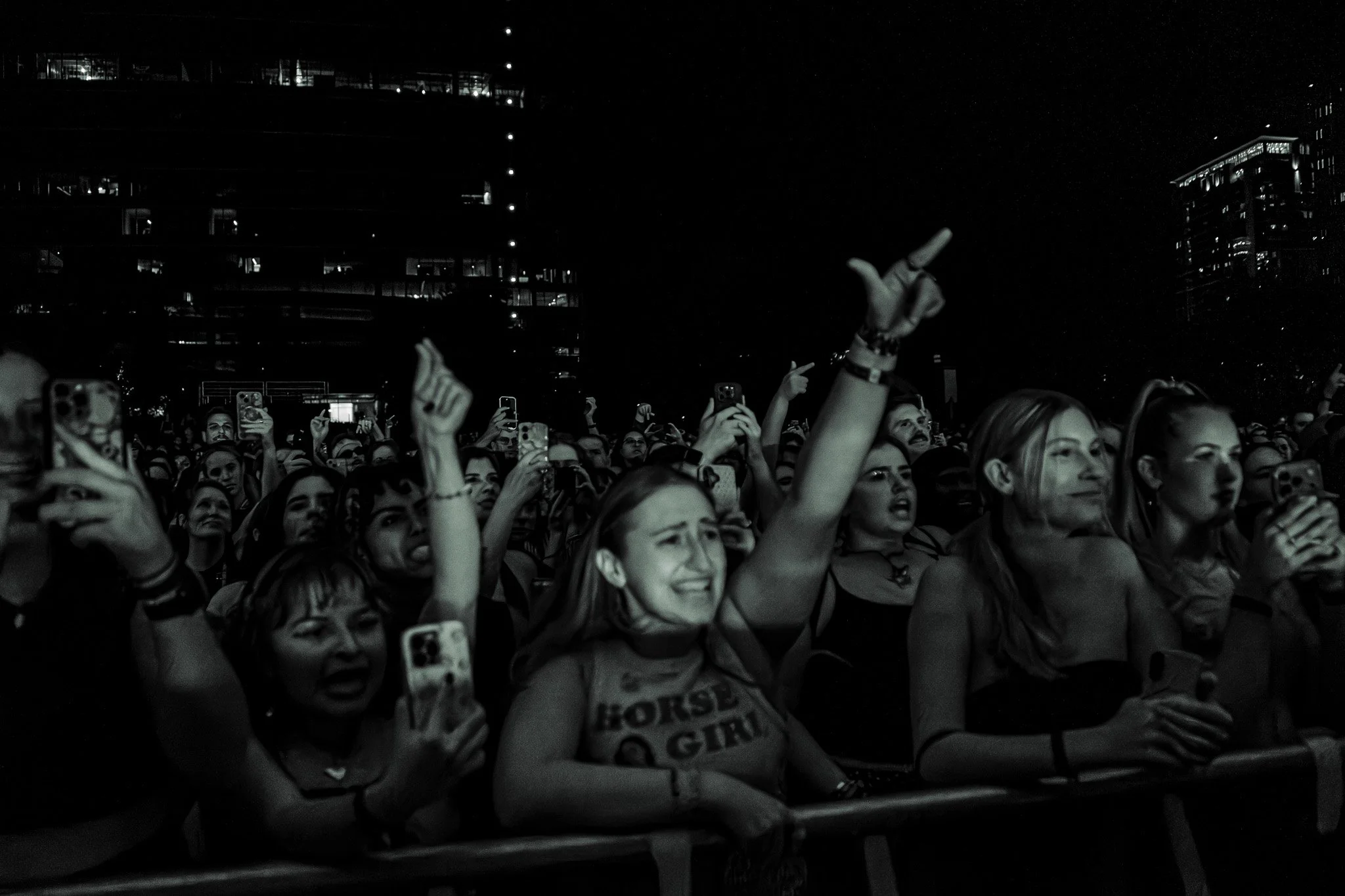
Photo by DeAnna Garza - @shotbydeanna
There was no attempt to separate the music from that identity. Queerness, humor, vulnerability, politics and self-expression all existed naturally within the same set. MUNA as a group could move from a joke to a political statement to a stripped-back acoustic moment without any of it feeling out of place.
By the end of the night, the connection between MUNA and their audience felt less like a performer-and-spectator relationship and more like a shared experience. The crowd had been invited to participate in every part of the show – from the ridiculous to the political to the deeply personal.
MUNA didn’t just put on a performance at Moody Amphitheater; they created a space where their music, their identity and the people who have found themselves in both could exist together, loudly and unapologetically.