
Noah Kahan’s Album, The Great Divide, Bears the Weight of Returning Home

Official album covered released by Mercury Records
An album Noah Kahan described as “sad” and having “a gazillion lyrics”? Sign me up. That’s my kind of music. I knew the moment I heard the title track and first single, “The Great Divide," that I would never be able to listen to it without crying. One of my favorite ways to listen to a new album is on a run. Now, I recognize this is an odd music choice, but it helps me focus on the sound and lyrics. Was I sobbing in public? Unabashedly so. The Great Divide adds another heartbreaking album to his repetoire.
The buildup for this album was insane. After spending two years with Stick Season, the album that turned Kahan into a household name, the pressure was on for Kahan to deliver. A pressure he has spoken about when writing The Great Divide. This 17-song album is packed with vivid imagery and made listening to it feel almost cinematic. It’s a sticky, humid night in the middle of summer when you’re reminiscing with siblings and childhood friends.
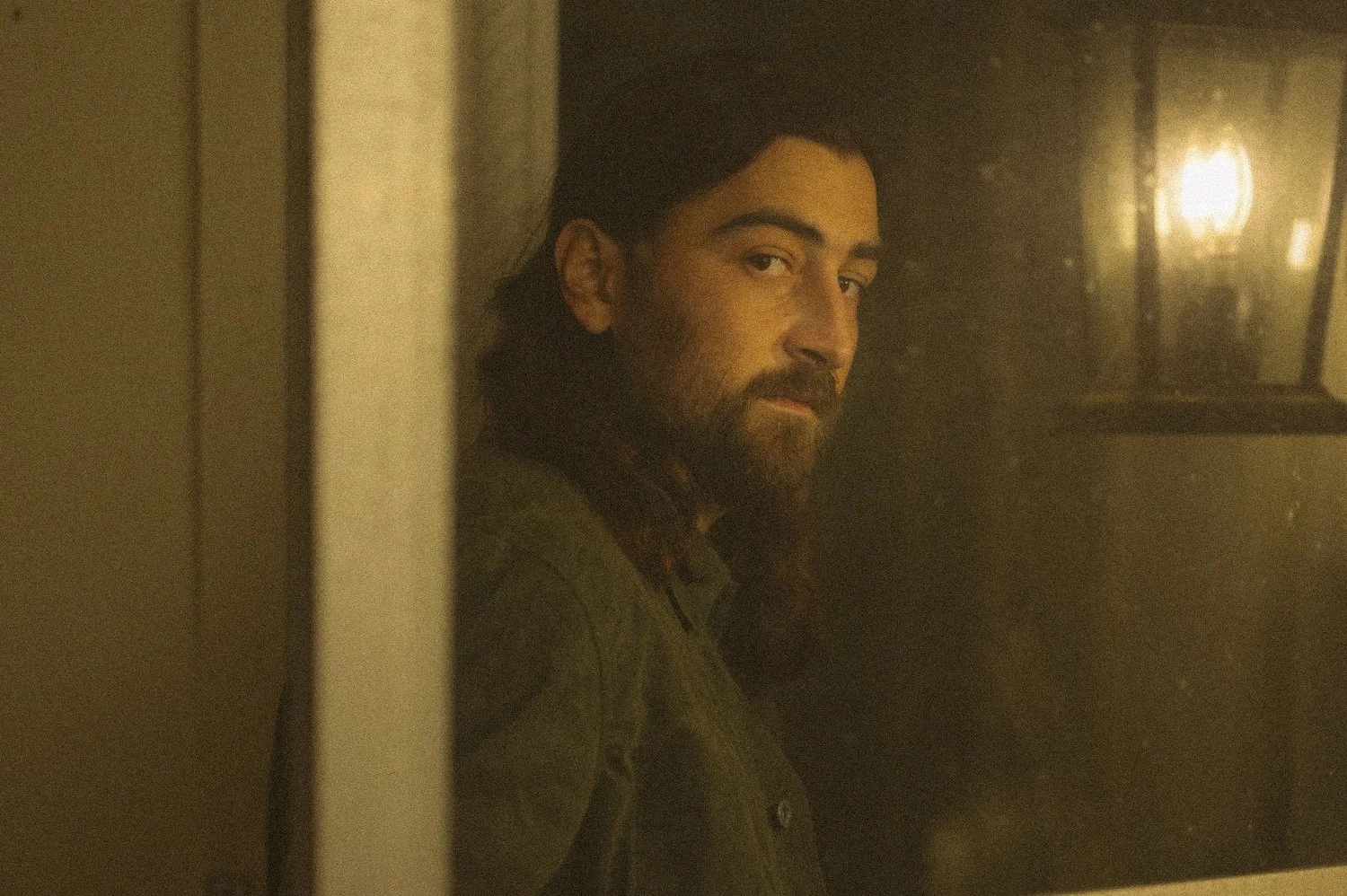
Noah Kahan "The Great Divide" © Patrick McCormack
For The Great Divide, Kahan worked with Gabe Simon and Aaron Dessner. The already detailed and brutally honest songwriting paired up with Dessner to create tracks that are sadder than I ever imagined. The songs produced in Long Pond Studio are some of my favorites off this album. Kahan’s voice works perfectly with the instrumentation heard throughout the album. Kahan has a white-knuckled grip on his past, which allows him to unpack his trauma through stunning prose.
The thesis of this album is the title track, “The Great Divide.” There are so many pieces in Kahan’s life separated by this divide he sings about. There’s the divide of his life before and after fame, family, heartbreak, loss, friendship, and grief. Each of these songs tackles this divide and how Kahan has dealt with it all.
The first song, “End of August," is a slow-building song that sets the tone for the rest of the album. The song tells the story of two men who are driving in silence, yet they clearly share a history. This song uses the changing of the seasons and the bugs dying to mirror the ebb and flow of life. As everything is changing, these moments are fleeting and will soon turn into memories.
Kahan has an ongoing theme of running away throughout his discography as his way of dealing with his past. Previously, he viewed leaving as finally making it out of his town, but with this album, he takes on a different view: Leaving doesn’t change you as much as you thought it could, and in the end, sometimes you need to come back to the place you once loathed. This theme is emphasized in “American Cars," where Kahan sings, “I was workin’ on a plan to disappear completely,” but in the end, everyone is begging him to come back. It appears again in “Dashboard,” as Kahan says, “Look at you go, crossing state lines with your shadow/Tryna run away, change your zip code/Turns out that you're still an asshole.” This shift in perspective is a small glimpse inside Kahan’s brain after Stick Season.
Songs like “We Go Way Back,” “Haircut,” and “All Them Horses” see the repeated nature of the longing to go back home and the fear and guilt that go along with it. “We Go Way Back” looks at the softer and comforting side of going home. As the lyrics go, “I don’t need my name back, throw my notebook in the basement,” Kahan admittedly doesn’t care about losing his anonymity as long as he can be appreciated for who he is rather than his fame. “Haircut,” on the other hand, explores the anxiety of believing if he were to go home, everyone there would hate him for his fame. They’d view his actions as empty and his guilt as performative. The killing line of the song is, “We were fine without you, baby, long after you're gone. Spare us all the pity, love, save it for the microphone.” This push-and-pull mindset is one that Kahan clearly struggled with. “All Them Horses” represents his guilt at not being around during the 2023 flooding in Vermont. While he was away from home and couldn’t make it back, he felt as though he abandoned his town.
“Willing and Able” might be one of his most vulnerable songs on this album. Being punched in the stomach repeatedly hurts less than this song. It’s the song I immediately returned to after I finished listening to the album. Kahan holds out hope that even after all the darkness, there’s room for forgiveness. The fear lingers, but maybe it could dissipate. This slower, quieter song takes a break from more of the heavily produced songs that came before it. With this theme of escape are the lyrics, “Look at you leaving again, it’s all you know how to do.” Kahan longs for those around him to stay even as they’re leaving. He shares similar sentiments in the songs, “Headed North,”“Downfall,” and “23.”
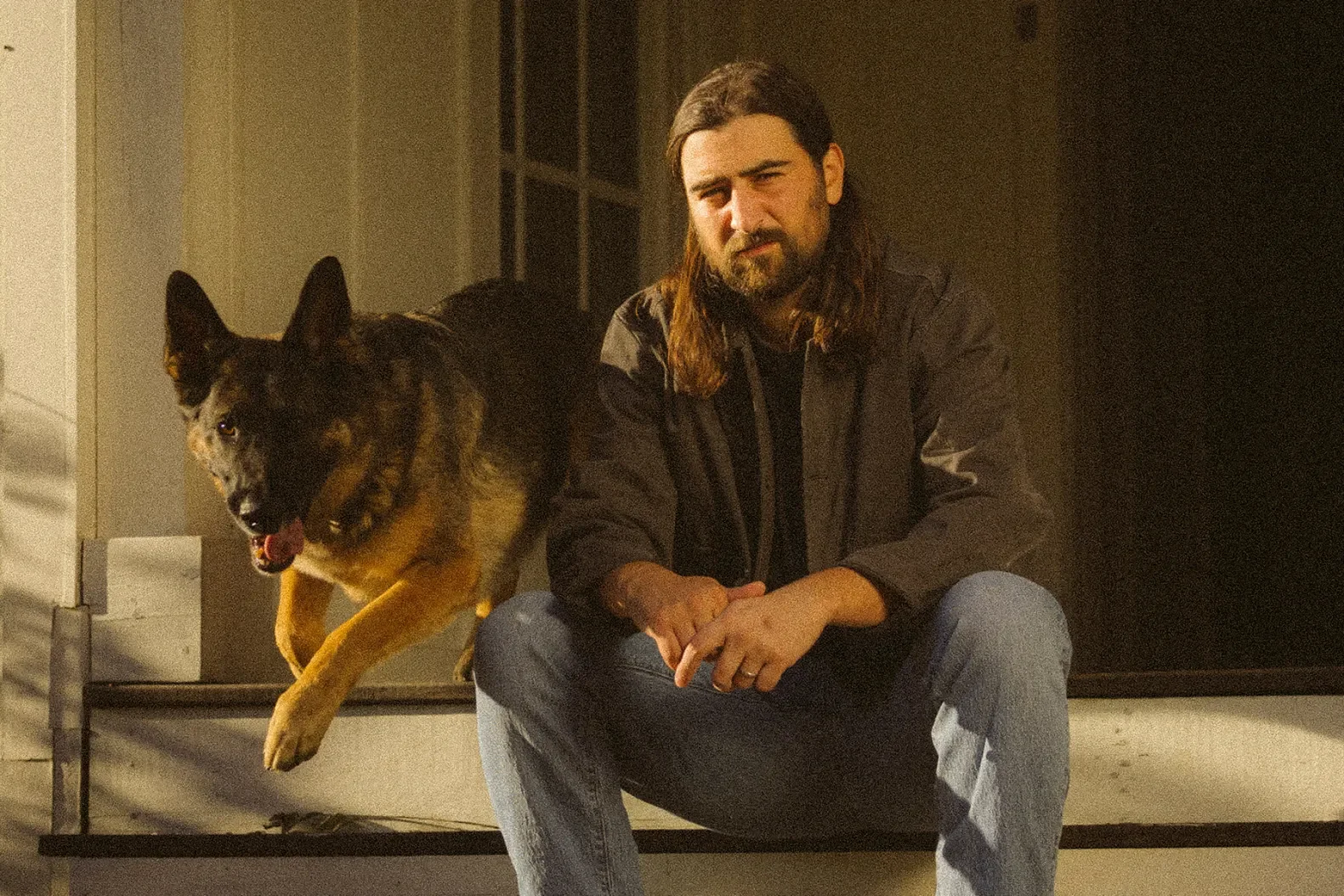
Noah Kahan "The Great Divide" © Patrick McCormack
One of Kahan’s great divides is with his family. Many of these songs (some could probably argue all of them) incorporate his family dynamics. Whether it’s “23” or “Deny, Deny, Deny,” Kahan unpacks conversations and things he wishes he could tell his family. These relationships he struggled with internally before he got famous only appear to have amplified since his return. “Porch Light” is written from his mother’s perspective and how she watched her son be thrust into the spotlight. With “Spoiled,” Kahan is imagining what his future children will be like and the consequences if they want to be just like him.
In “Paid Time Off” and "Doors," Kahan explores his perspective on relationships and heartbreak. In “Paid Time Off," Kahan uses the metaphor of a running car in a garage, signifying the explosive relationship he shares with someone. Everything is catastrophic and toxic, despite believing they were in love. “Doors” offers the suggestion of a comfortable relationship but one fraught with Kahan’s skittishness when it comes to love. Always believing the other person will leave any time he hears the keys, it’s clear his previous heartbreaks have left a profound impact on him.
Just as the album started with two men, it closes with two men. This time, it's in the song "Dan," where two men come together to reminisce. Instead of using Richie and Austen like in “End of August,” Kahan opts for telling the story of himself and a close friend named Dan. They share childhood memories, drink, and camp together. It’s men who have been through it but can still come together and bond even through all of that. The plucky instrumentation lends itself to Kahan’s vocals being the more prominent piece of the song, which is a great ending to this cathartic album. With mentions of Carlo (the same Carlo who “Carlo’s Song” was written about), Kahan ends the album with the same notes of sadness he carried throughout it, but with the reminder that through it all, he always has someone who loves him. He’s never truly alone, and that is a beautiful message.
