
Wishbone Deluxe: The Quiet After the Storm
Conan Gray’s Wishbone (Deluxe) adds five new tracks that deepen the album’s emotional world, expanding its themes of heartbreak, self‑reckoning, and quiet resilience.
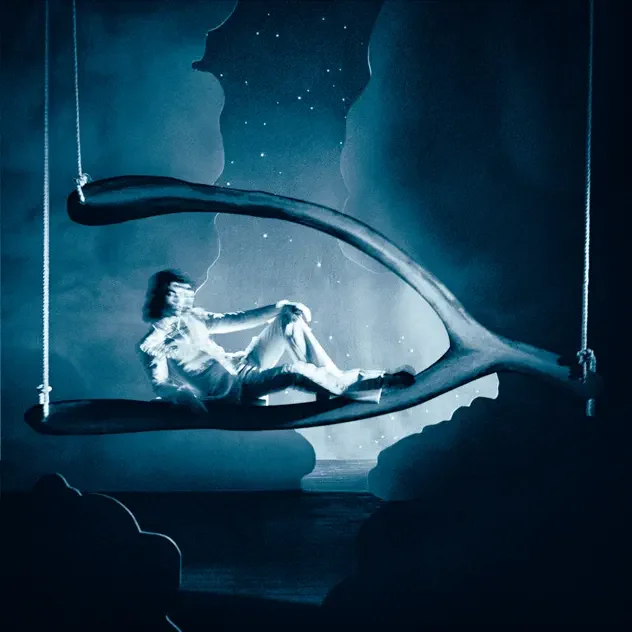
Wishbone Deluxe album cover
The deluxe tracks - “Door”, “The Best”, “Do I Dare”, “House That Always Rains”, and “Moths” - aren’t leftovers or B‑sides. Conan himself emphasises that these songs are new pages, written after touring the original album, capturing feelings he could only articulate in hindsight. They feel like a reflective epilogue: softer, more introspective, and more narratively cohesive than the main album’s sharper pop edges.
“Door”, a song that captures the moment between letting go and holding on, where you’re suspended in the ache of possibility. Conan’s vocal delivery is soft but edged with exhaustion, as if he’s finally admitting something he’s rehearsed a hundred times in his head. It blends Conan’s signature confessional lyricism with a swelling pop production that mirrors the push‑and‑pull of wanting closure but leaving space for someone to return. Musically, the track builds with a kind of restrained urgency. The production mirrors the emotional tension: pulsing synths that never fully explode, percussion that feels like a heartbeat you’re trying to steady. It’s a song about boundaries, but also about the fear of what happens when you finally enforce them.
“Do I Dare” leans into vulnerability, exploring the fear of wanting too much. It captures the terrifying moment before you admit you want something, or someone, more than you’re willing to risk. The production leans into this fragility: gentle guitar lines, soft percussion, and a melody accompanied by strings that feels like it’s tiptoeing forward. The track feels like a spiritual sibling to earlier Wishbone songs, but with more emotional clarity. It’s reflective rather than reactive, a moment of stillness where Conan asks himself whether hope is worth the risk.
“House That Always Rains” is the most atmospheric and cinematic of the new tracks. The metaphor of a house that never stops raining is classic Conan - dramatic, cinematic, and deeply personal. Lyrically, the song explores the idea of emotional architecture: the places we build inside ourselves, the ones we return to even when they’re falling apart. Conan’s delivery is tender but weighted with sorrow, as if he’s walking through the ruins of something he once believed would last.
“Moths” is delicate and haunting, capturing the fragility of wanting something that could burn you. It’s one of the most poetic additions, and its imagery fits beautifully into the Wishbone universe. It’s a song about surrendering to something dangerous because the pull is too strong to resist. Conan uses the image of a moth drawn to a flame to explore the kind of love that feels inevitable even when you know it will hurt. The production is minimal, allowing the lyrics to take centre stage. Soft strings and gentle acoustic textures create a sense of fragility, as if the song might crumble if you breathe too hard.
Already a fan favourite, “The Best” is tender, aching, and quietly devastating. Conan performed it live before release, and it carries that raw, lived‑in quality, like a whispered confession after midnight. It’s the moment you realise you’ve been loving someone who never quite met you where you stood. The production is intentionally sparse, giving Conan’s voice room to crack, breathe, and confess. The lyrics feel like pages torn from a diary, full of small, specific details that make the grief feel lived‑in. There’s a softness to the melody that contrasts with the emotional weight of the words, creating a bittersweet tension. What elevates the track is its emotional clarity. Conan isn’t begging, bargaining, or raging - he’s accepting. “The Best” feels like a quiet goodbye whispered into the dark, knowing the other person won’t hear it, but needing to say it anyway.
The deluxe tracks don’t just extend Wishbone, they complete it. They offer emotional resolution, narrative depth, and a more mature perspective on the heartbreak that shaped the original album. Conan’s writing is sharper, his vocals more intimate, and the production more restrained, allowing the lyrics to take centre stage. If Wishbone was the storm, the deluxe edition is the quiet after: reflective, honest, and beautifully human.