
Zinadelphia’s “Dusty’s”: A Journey Through Stillness
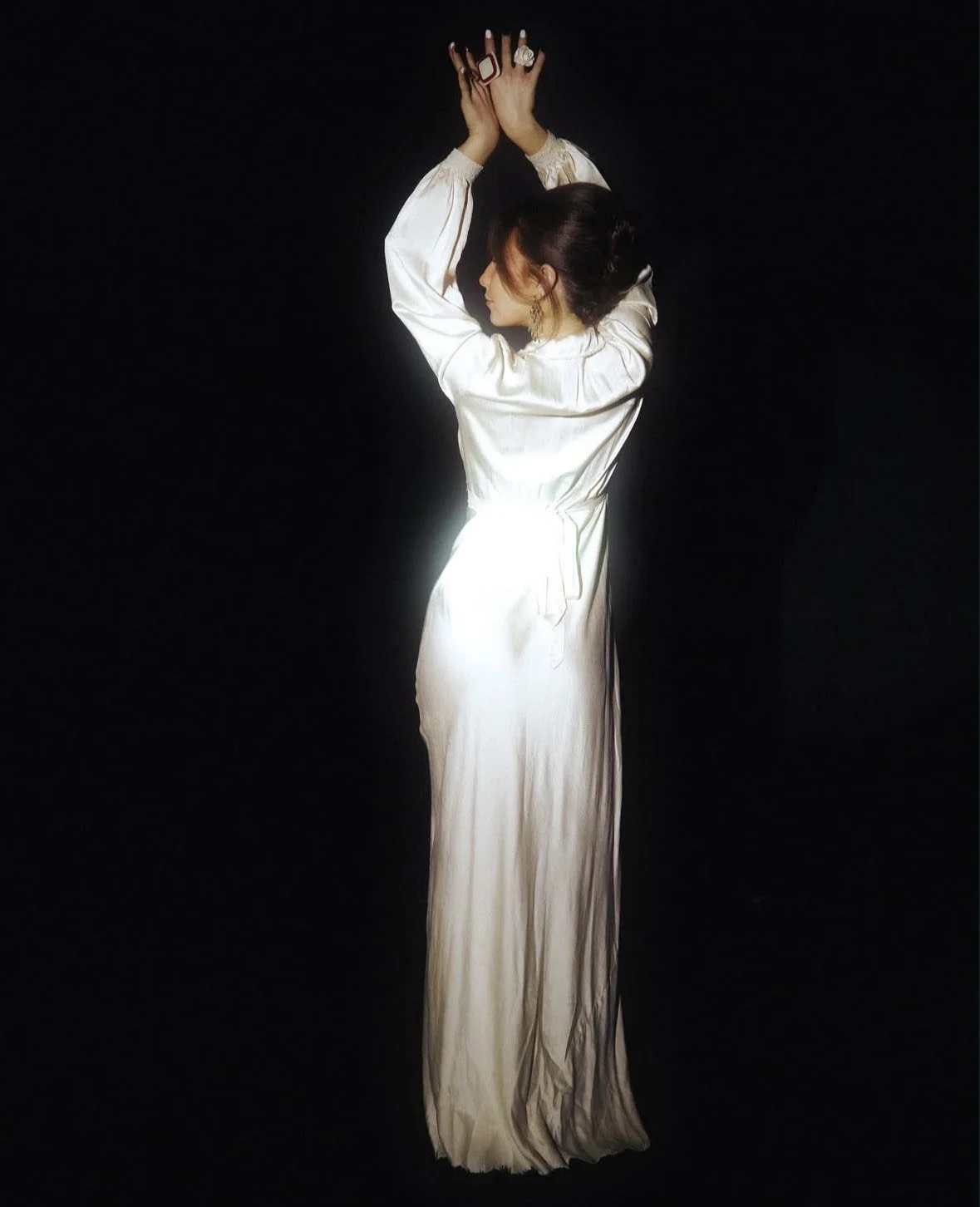
Image via Instagram
Zinadelphia’s “Dusty’s” is a song built around restraint, reflection, and intention. Rather than chasing immediacy or high impact moments, the track settles into a slower pace and asks the listener to do the same. In a music landscape that often rewards urgency and constant output, “Dusty’s” stands out as a thoughtful response to burnout and the pressure of feeling behind in life.
The song centers on a traveler who “stopped in Memphis” while heading south, a small narrative detail that introduces the idea of interruption. From there, listeners are guided toward Dusty’s, a place that feels frozen in time. Zinadelphia describes it as an “enchanted motel in the middle of nowhere, Tennessee,” a setting that functions less as a literal location and more as a metaphor. Dusty’s becomes a kind of rehabilitation center, one that teaches “the art of slowing down, of patience, of finding a little beauty in stillness.” The motel never changes, but the people who pass through it do.
Throughout the verses, Zinadelphia leans into imagery that emphasizes wear rather than polish. Faded wallpaper, worn carpets, clothes drying on a line. These details create a sense of quiet continuity, a space where nothing is urgent and nothing needs fixing right away. Instead of presenting stillness as emptiness, the song insists that “something’s alive in the stillness”. That idea runs through the entire track, challenging the belief that progress only comes from motion.
The chorus sharpens that challenge. Zinadelphia asks, “What if the clock you keep racing is only killing the time?” It is a direct question, but not a confrontational one. The follow up line about letting dust collect reframes rest as something corrective rather than lazy. The shift from “Is it impossible?” to “Isn’t it possible?” marks a subtle but important change in mindset, reflecting the internal growth the song is meant to represent.
Musically, “Dusty’s” mirrors its message with careful precision, while leaning into a sense of whimsy through its instrumentation. Gentle guitar strumming provides a steady base, while a live orchestra adds depth and warmth. The violin lines are especially prominent, moving slowly and deliberately, never rushing toward a payoff. Zinadelphia has said this was her first time recording with a full live orchestra, calling it a lifelong goal. That milestone adds emotional weight to the track and reinforces its sense of intention. Her self performed backing vocals layer softly beneath the lead, creating rich consonant harmonies that feel intimate and unforced.
In discussing the song on social media, Zinadelphia has been open about its personal origins. She explained that before writing “Dusty’s”, she was deeply anxious about running out of time and believed that her goals needed to happen immediately or not at all. “Slowing down actually gets you there faster,” she later said, reflecting on how her perspective has changed. That realization sits at the heart of the song.
“Dusty’s” ultimately feels less like a lesson and more like an offering. It does not demand transformation or promise answers. Instead, it creates space. In doing so, Zinadelphia reminds listeners that rest, patience, and stillness are not detours from the journey. They are part of it.
