
Seeing Shapes in the Chaos: PAREIDOLIA by Erin LeCount
Via Instagram
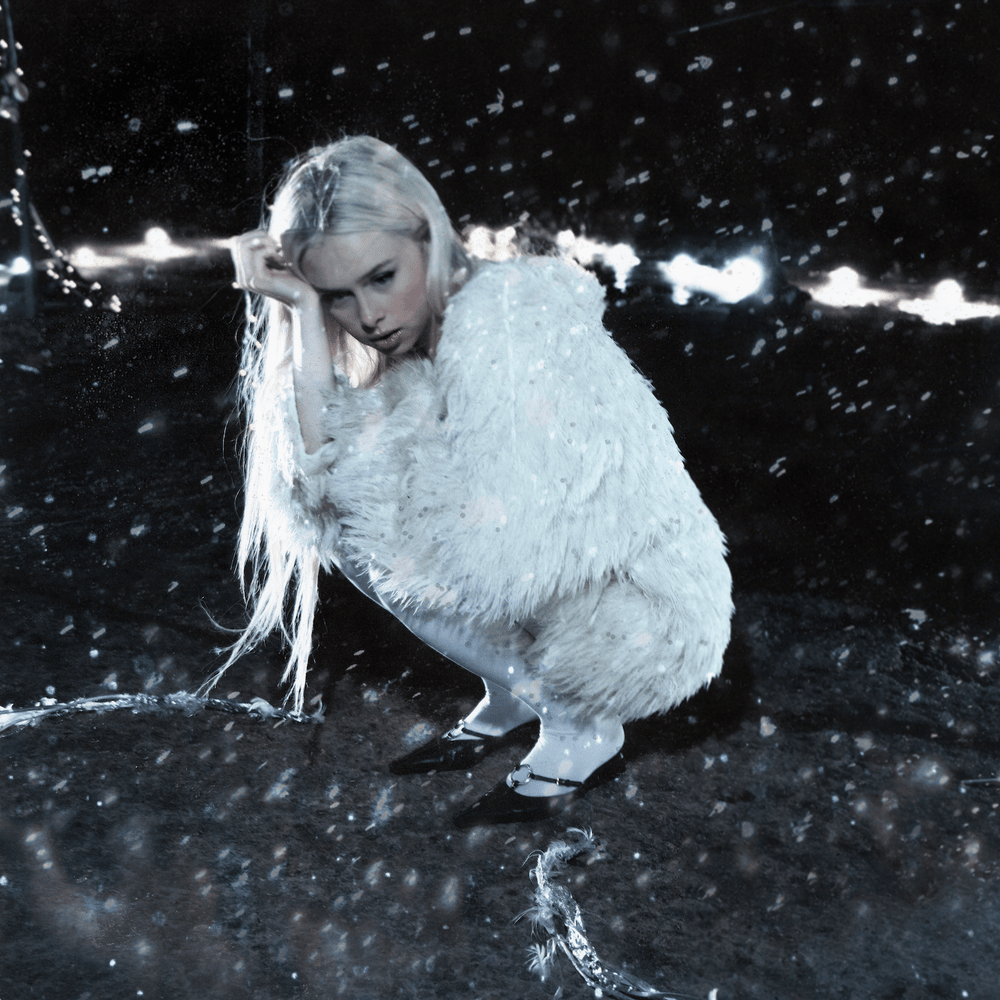
PAREIDOLIA, Erin LeCount's entirely self-written and self-produced third EP, is a collection of six incredibly cathartic and energetic songs that remain heartbreakingly despondent. LeCount composes and produces in such a specific and intoxicating way, unlike anything I have heard before. Her writing is incredibly vulnerable and poignant, in this EP covering heavy thematic topics such as eating disorders, mental health, sexual assault, religion, and guilt. LeCount describes this project as a “distorted, warped, perspective of reality and of self, it’s the brain's way of seeking familiar patterns that make us feel safe” on her Instagram.
LeCount introduces this EP, hauntingly singing “I believe, I believe / I believe, I believe,” the title of the opening track. “I BELIEVE” is a heavenly-sounding reflection on looking for something or someone to depend on. In lyrics such as "I'm living in a secular age, looking for someone to blame / looking for someone to love me, to save or be saved,” in the chorus, and “I’m sober, I’m celibate, and God still won’t let me in,” in the second verse, she specifically describes what she has done to find something to rely on. Whether that be a person or God, she still feels as though she can’t be saved. However, in the post-chorus, she sings, “But I believe, no.” This short addition creates a whole new story for the song. Throughout the track, LeCount outlines her relationships with others, herself, and God, and how she tried to depend on them for stability in her life, yet couldn’t. Nonetheless, she still believes, portraying her isolation. In "I BELIEVE," LeCount’s instrumentalization builds up to end the song with an incendiary bridge. The post-chorus echoes into the bridge as LeCount sings, “I believe in you and me, God, I believe in the machines / I heard you’re looking for a saviour, honey, put your faith in me / Wait for God to intervene, say, ‘It just is what it is.'" LeCount perfectly closes this song, wrapping up her relationship with religion, saying, “It just is what it is," illustrating that she accepts the situation for what it is, even if it hurts, concluding the song in a very powerful way.
In the next track, “DON’T YOU SEE ME TRYING?” LeCount sings about her outlook on self-sabotage and vulnerability. “DON’T YOU SEE ME TRYING?" illustrates the euphoria of giving in to old habits just when things start going well. The opening notes play choppy vocals, creating the sense of repetition. LeCount portrays the theme of self-sabotage in the intro, “Everything that I love will destroy me in the end / So I break my own heart over and over again.” This theme returns in the pre-chorus. LeCount writes, “How do I make this stop? / When the world keeps spinnin’ and I want to get off,” she displays wanting to break her weakness of coming back to careless habits. When the chorus begins, the instrumentation drops for a second as she sings, “I hide in plain sight,” creating an explosive start to the poignant chorus. At this point in the song, LeCount uses heavy strings for the instrumental and light drums, creating an anxious feeling throughout the song until the second chorus. LeCount’s artistry is remarkably breathtaking, as she uses the production to illustrate the emotions behind her lyrics. The drop in the second chorus depicts repeating self-destructing patterns. This is something seen habitually throughout LeCount’s discography, using not just the lyrics of the song but also the composition to narrate the emotions of the song. At the end of the track, she repeats, “Everything that I love will destroy me in the end / So I break my own heart over and over again,” the same line from the very beginning of the song. This bridge is powerful, painting the realization that her habits affect her, yet she keeps repeating them.
Track three, the lead single of the project, titled “808 HYMN,” is a heartbreaking song about sexual harassment and being followed home, connecting such agonizing situations to growing up and religion. “When I was a kid, I used to think / The moon was following me home,” LeCount sings as the song begins. “... I know I’ve never been more wrong,” LeCount continues. In verse one, LeCount sings out of childhood innocence, believing the moon is following her. However, in the second verse, she sings out of hypervigilance of being a woman, “Now I’m grown, I’ve come to know / Every blame and every fault.” She acknowledges that someone following her is a physical threat and not supernatural. She also connects both points of view on the darkness by noting the loss of divine protection. LeCount writes, "The faces of god, they never showed,” indicating loss of protection, even as a child. Then, in the second verse, she reinforces the disillusionment, saying, “I’ve been praying to the constellations / Turns out they were all just satellite stations,” communicating that the constellations she prayed to were man-made and cold, leaving her vulnerable. The strong vocals in the chorus portray her anger and fear as she sings, “And if this is my end, then the sky is my witness / The night isn’t kind it’s a cruel, cruel mistress / And any god watching will beg my forgiveness for this,” connecting back to her prayers to God and the constellations. The production on “808 HYMN” has a quick tempo using restless synths, designed to instill a sense of panic. LeCount also plays a heavy 808 kick drum to sound like a racing heart, building a heavier weight for the song. The distressing theme of the lyrics, combined with the indelicate production, makes you feel like you are truly in the silver dark, praying to constellations.
“AMERICAN DREAM" is an angelic track regarding imposter syndrome and pressure as a singer. “AMERICAN DREAM" is not just about the traditional idea of success but about how living the “dream” can feel empty. Opening with, “Rise and shine / I’m waking up to a stranger’s American dream,” she immediately makes it clear that her ambition is something uncomfortable and foreign. In the chorus, LeCount sings, “Tell my mother not to call,” suggesting that she is pushing away people who comfort and care for her, such as her mother, and choosing work over emotional connection. “I’m working myself to the bone, if that’s the dream, it’s what I want,” indicating that she is burnt out and pushing herself to succeed at the expense of her health. Yet, she convinces herself the sacrifice is worth it. In the second verse, LeCount delves deeper into the pressure to make it. “I get what I want, and it’s not enough / I get what I need, then I fuck it up." These lines illustrate a cycle of dissatisfaction and self-sabotage. Even when she achieves her goals, they don’t fill the numbness inside her, and when she receives something good or healthy, she’s unable to hold on to it. “AMERICAN DREAM" ends with the sound of a crowd cheering, with soft sobbing overlaying it, outlining the story of the song without words or a melody.
“MACHINE GHOST” is a tragic ballad about having guilt after the end of a relationship. The track opens with the line, “I didn’t want us to fuck, I wanted us to make love,” shaping a contrast between intimacy and emotional numbness. “‘Cause I said I would get it together, but I don’t think I’ll be ready to ever let it go / Old habits die hard and I’m trying to sleep the damage off,” another lyric from the first verse, connecting self-sabotage again, but this time to a romantic relationship. The melancholic refrain of the song echoes, “It hurts to stand,” evoking emotional exhaustion and the idea that simply existing is painful. The writing on the bridge is exceptionally breathtaking, some of my favorites on the project. “Trying to be someone, more than just a daughter / More than just a body you can watch and then get bored of,” she feels pressure to be seen as a person, rather than just a "daughter." She emphasizes her desire to be fully seen and recognized. This ties back to “Baby, you’re the machine, and I’m the ghost,” from the chorus. The “machine” refers to something controlled, possibly society’s expectations. The “ghost” represents LeCount’s experiences of invisibility and disconnection. She feels hollow and overlooked, the counterpart to the "machine."
In "ALICE," the final track of the project, LeCount explores the sense of codependency and shared struggle. This theme is present in the vivid opening words, “I got sick and you got sicker / We swapped spit, shared beds and secrets," which capture how two people can make each other worse by giving in to their worst habits and impulses. In the prechorus, LeCount sings, “If I invite you in, then I’ve made my bed / I am the girl that has to lie in it,” conveying choosing to go through a cycle she knows is harmful. In the chorus, LeCount compares nostalgia with clarity: "Alice, we were dancing with death / I think about you often, but I don’t want you back,” a compelling line regarding this person and the bond they shared, yet recognizing that returning would be destructive and ending things would be ultimately healthier. LeCount returns to this in the bridge, repeating, “Love is not enough to save you now,” acknowledging that they should both learn how to recover on their own.
PAREIDOLIAis a strong mix of diaristic and haunting lyrics with synth-driven and atmospheric production, fitting in flawlessly with the rest of her discography. This project captures the confusing feeling of trying to find meaning in times of emotional chaos by combining cinematic basslines and deeply personal lyrics. PARIEDOLIA is a powerful look at how people tend to find patterns in their own problems, turning confusion and darkness into something strangely beautiful and deeply meaningful.
