
From 2010s Indie Bedroom Pop to 2020s Ambience-Driven, Experimental Pop
In the 2010s, bedroom pop was becoming mainstream amongst millennials and older gen z. Artists such as Clairo, Current Joys, and early songs from Beabadoobee got recognition on the internet for their indie, laidback sound. Now, nearly ten years later, bedroom pop has evolved into something more atmospheric and experimental. Similar to their indie predecessors– especially Mac Demarco– today’s new artists draw inspiration from 80s and 90s nostalgia. Except now they add a darker, more ambient feel to their music rather than the typical “chill” laidback vibe of the 2010s.
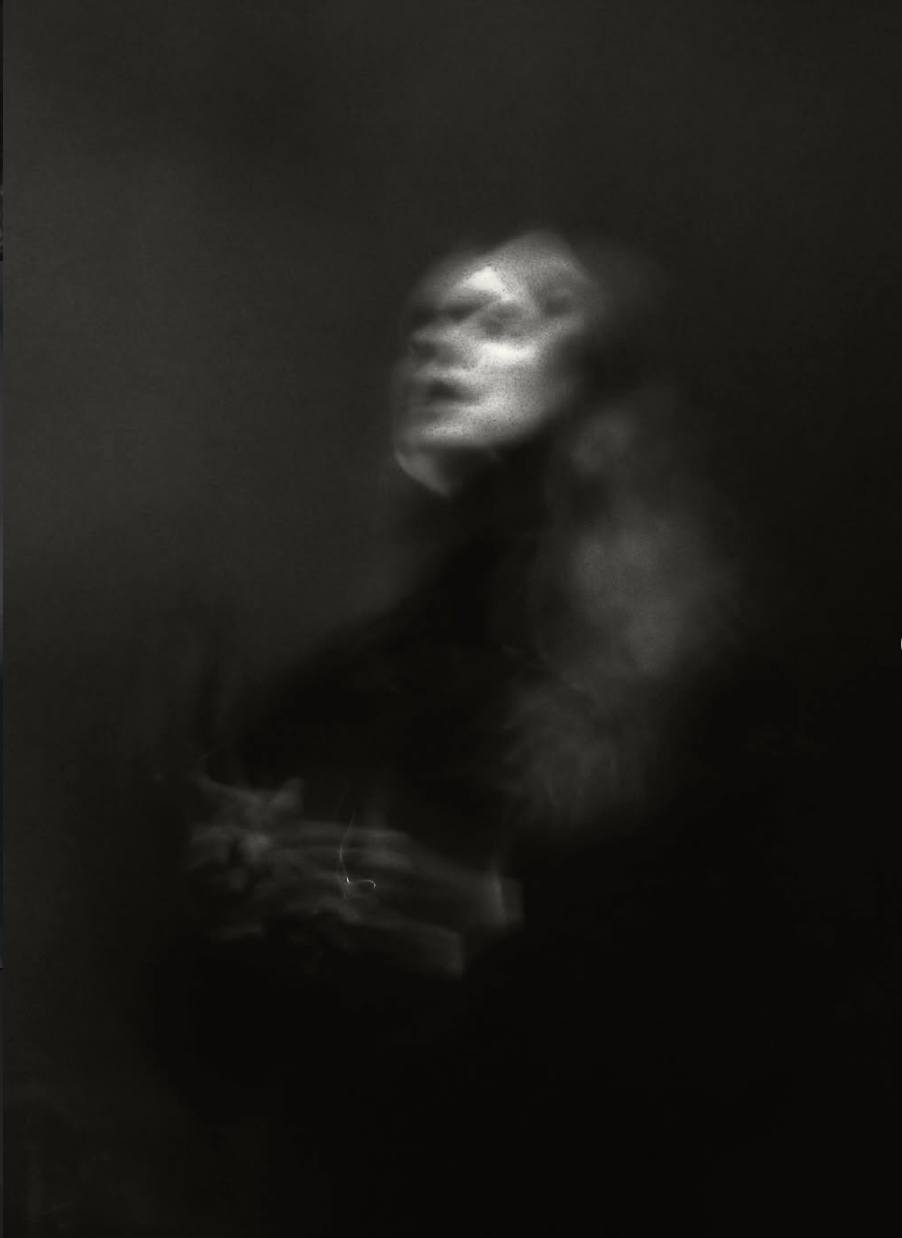
Ethel Cain via Instagram
Indie-turned mainstream experimental musician Ethel Cain is known for blending alternative rock, ambience and a bit of southern twang. Her concept albums Preacher’s Daughter and Willoughby Tucker, I’ll Always Love You, contain hypnotic ambiance and 80s gated reverb drums in songs such as “Tempest” and “Family Tree (Intro).”
Although the duo Boy Harsher was no stranger to experimental synth pop in the 2010s, Cain’s strong tumblr presence and complex approach to music opened up inspiration for other indie artists. Even though Cain’s music genre is more experimental than bedroom pop, most of her music– if not all– is created and produced in the comfort of her home studio, giving it that authenticity and rawness of 2010s bedroom pop. Especially her moody, haunting sophomore album Perverts which she teased about on her YouTube live streams, including the making of “Thatorchia.”
Like Cain, Danish musician ML Buch has a couple of no-lyric instrumentals from her Suntub album such as “Dust Beam,” “Whoosh,” and “Big sun” which has a grungier guitar tone.Even the track “High speed calm air tonight” has a two minute instrumental before the vocals finally kick in. Buch’s guitar is dreamy and reverbed, channeling early 90s nostalgia.
Discovering her passion for music while attending college, Mother Soki also channels nostalgia from the 80s and 90s to produce dreamy synth pop. Her vocals are atmospheric– and sometimes unintelligible– blending into the instrumentals, similar to Cocteau Twins’ iconic dreamy sound. Soki’s newest single “The Rot” is a “dark, corny, 80s song” (as Soki put it) with her usual layered, airy vocals. It’s a swampy, almost Southern Gothic revival, with a dark whimsical feel to it.
A more bedroom-pop upcoming artist is After Louise, whose songs contain a heavy bass and a synthy electronic keyboard. Recording from her bedroom, After Louise makes melancholic tunes with a more modern take on synth pop. Her latest EP Nothing’s Accidental has songs that stand out such as “Angel” and “Fine;” the latter has a home video-inspired music video recorded on an old camcorder. The last track “Nothing’s Accidental” has a groovy bass that is nearly reminiscent of 2010s indie band Men I Trust. Like a typical indie artist, After Louise turns pop into something more complex yet laidback.
The evolution of bedroom pop is a testament to whatever is the next nostalgia bait on social media. Lately, early 2000s aesthetics have been popping off in fashion. However, with the newfound love for grainy, slasher horror, as well as the popularity of TV shows such as Yellowjackets and cult classic Twin Peaks, 80s and 90s nostalgia has been thriving within the indie music community. Hopefully 90s Trip-Hop will make a comeback in the near future.
