
The Return of Physical Media
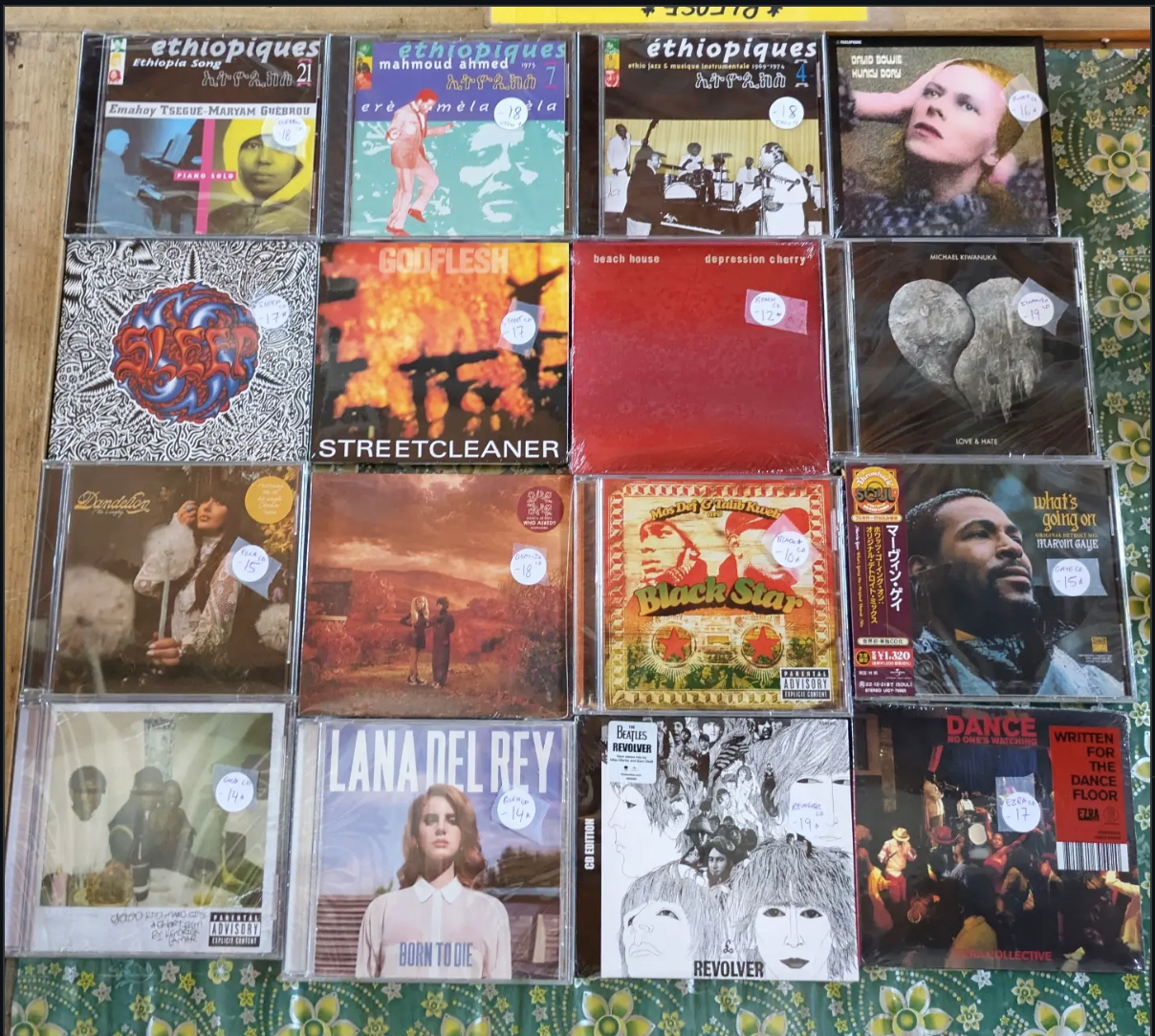
Photo via Moon Rock Records/Instagram
Despite growing up in the digital era, Gen Z has shown growing interest in physical media. We are seeing this rise in vinyl, CDs, and cassettes, with artists releasing physical media alongside their digital albums. This raises the question of why a generation that has every song at their fingertips would want to go back to physical media.
What does physical media give us that Spotify doesn't? It gives us physical interaction! One of the reasons Gen Z is buying CDs and vinyl is because of the tactile experience, meaning you aren't just looking down at your phone and hitting play. You are pulling the vinyl out of the sleeve, reading the track list on the back, admiring the art, and dropping the needle or popping the CD into the player. Everything is done with intention and ritual. Ritual allows people to slow down and actually enjoy the music. Listening to physical media puts your focus and attention toward what you chose to play. An album gives you a set listening experience that eventually comes to an end, rather than an algorithm constantly feeding you more and more.
Physical media acts as an escape from the digital overload. So much of our daily lives revolve around screens. From working to relaxing, much of it is done through a screen. On top of this, algorithms make it even harder to disconnect, constantly feeding us more content. When you open Spotify, there are recommendations. When you open TikTok, there's a For You Page. These are both trying to keep you glued in by showing you what you should consume next. A big thing today is we are constantly dealing with this digital noise and having to focus on multiple things at once, which can be overwhelming and stressful. Vinyl and CDs let us take a step back and enjoy one thing at a time, and allow us to make the decisions not the screen. Physical media gives power back to the people in a sense that we have more control over the physical than the digital.
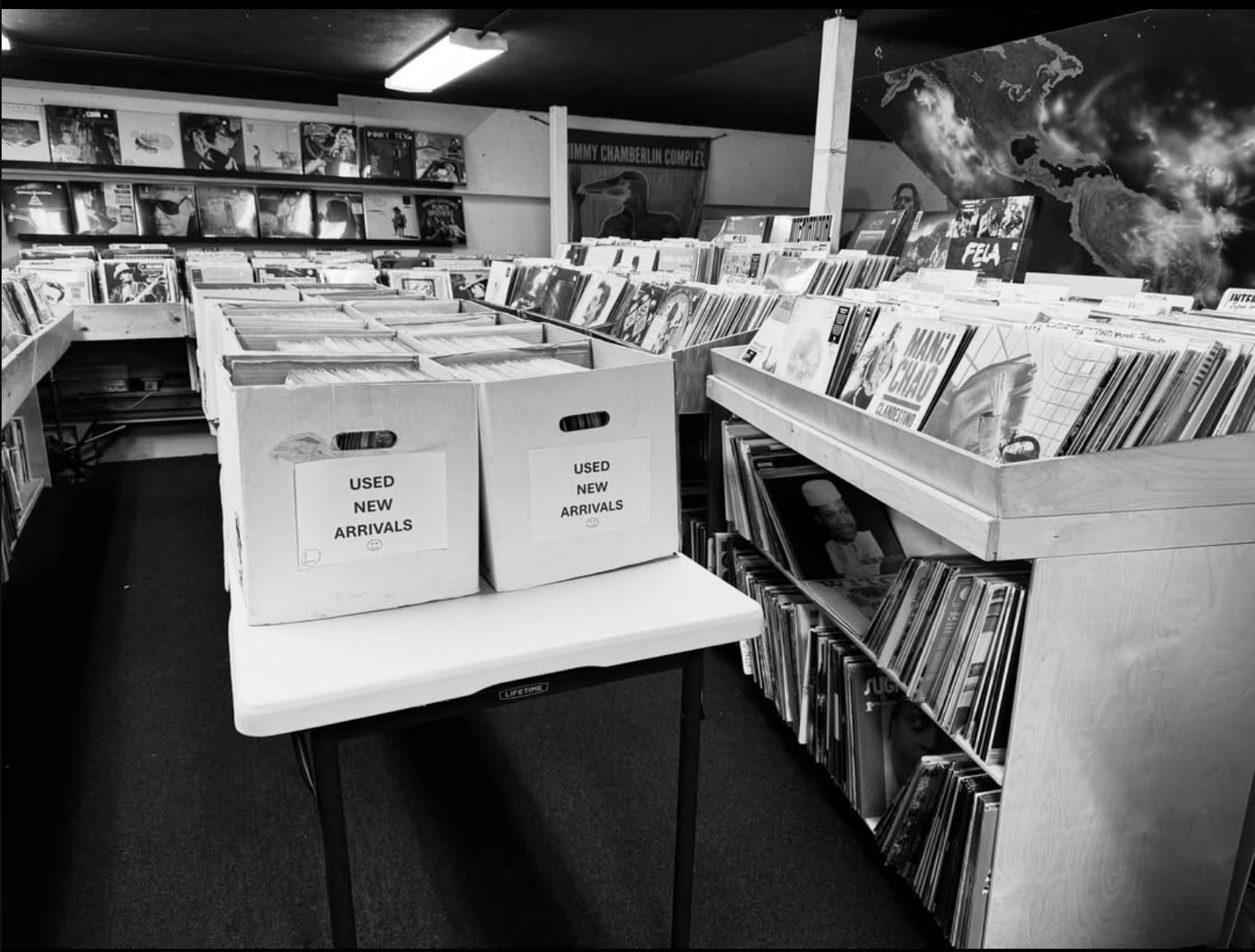
Photo via Music Millenium/Instagram
Music is a direct representation of identity and expression. Unlike digital music, physical media can become part of someone's personal space, allowing the collection to speak for them and reflect their music taste and interests. These physical things represent something to people: their passions, expressions, and intentions. They tell stories and represent memories, both good and bad. Yes, Spotify can still represent memories, but physical media is a tangible item that will always be a physical reminder of that period of your life. Along with the recent rise in CD sales, people are even going out and buying CDs with no way of playing them. The appeal can go beyond the music itself, whether it's the art, sentimental value, or supporting the artist. We see that physical media is not always just about the music but also about what it represents to people and how it became a piece of someone's identity or life.
Another major factor pushing people towards physical media is subscription fatigue. People are getting tired of subscriptions, rising costs, uncertainty, and having to pay for multiple services. Paired with changing content selections, managing multiple subscriptions can become tiring. These recent frustrations have made physical media more appealing. Permanence of ownership has added to the appeal towards physical media. When you pay for a subscription, you are paying for access to the music rather than actually owning it. This means that content can be unavailable. Physical media is different. When you buy a CD, record, or cassette, you own that physical copy. That physical copy is yours to access whenever you want. You are not dependent on a subscription or streaming catalog. This offers the security of knowing you only had to buy it once. With subscriptions, you have to continue paying to guarantee access. When you purchase physical media, it's a one-time purchase and that copy belongs to you forever.
Having every song at our fingertips does not mean we all have to listen to music the same way. Physical media just allows people to step outside of the box and enjoy it the way they like to. For Gen Z, physical media offers more control on how we interact and experience music. Does this mean that physical media will take over streaming? No, it will not, but being able to step away and find your own identity is always a breath of fresh air.