
How did the 90s Shape Music Today
Music is always changing from decade to decade, but some decades have a bigger mark than others. The 1990s helped define the modern music we listen to today. Genres like hip hop, R&B, Alt Rock, and grunge all experienced defining moments during the decade. These genres evolved throughout the decade and helped create the foundation of the music we listen to today. This leads to the question of why the 90s were so important, and what made this decade stand above the rest!
Although hip hop started in the 70s, the 90s allowed it to evolve beyond just the underground. Hip hop was originally a voice for the marginalized, and shed light on the reality of everyday life. Mainstream media often portrayed black and brown communities through stereotypes surrounding violence, crime, and poverty. Hip hop helped counter these stereotypes by allowing artists to tell their own stories and give listeners a glimpse into what life in these communities was actually like. Artists also used their music to address larger issues such as underfunding, redlining, and over policing. The raw storytelling helped define 90s hip hop we know today. This raises another question of how music from over 30 years ago still has a direct impact on what we know as hip hop or rap today.
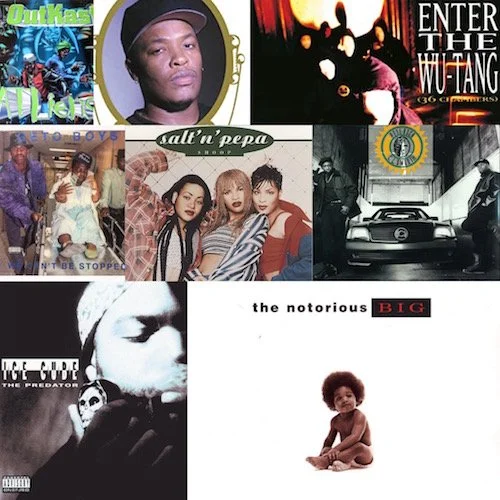
During the 90s, we saw the evolution of music sampling, and how it allowed different genres to blend into one. Some iconic producers that we can think of who helped define the sampling we know today would be Dr. Dre, DJ Quik, Q-Tip, and many more. Dr. Dre is a prime example of a producer who took music that already existed and turned it into something fresh and new. Dr. Dre sampled a lot of funk and soul tracks from the 70s and 80s and turned them into the G-Funk (Gangster Funk) sound that helped define the West Coast. While sampling helped define the sound of the 90s, it never fully disappeared. It grew. Sampling became a cornerstone of modern music we hear today, and has evolved beyond sampling just music. Modern artists such as Drake, Kendrick Lamar, J. Cole, Kanye, Doja Cat, and PinkPantheress continue to use sampling today.
You could go on all day about the impact of hip hop, from the dances and fashion to the overall culture it has created. But hip hop was not the only genre pushing against societal norms at the time. Grunge was also emerging, and it was quickly taking hold of mainstream music. The raw emotion and authenticity of grunge artists really resonated with alienated youth at the time.
Nirvana, Pearl Jam, Soundgarden, and Alice in Chains all became the voice of grunge in the 90s. Grunge stood as a cultural response to the polished sound associated with mainstream 80s rock. Grunge showed that music did not have to sound polished or look glamorous to reach the mainstream. As for Gen X, it helped offer a change of pace, something different from the rock of the 80s. Grunge helped bring light to problems that everyday people were struggling with, for example, problems like mental health, addiction, disillusionment, and social and family problems. Grunge helped act as a bridge to the youth, and showed them these problems are real and you are not alone.
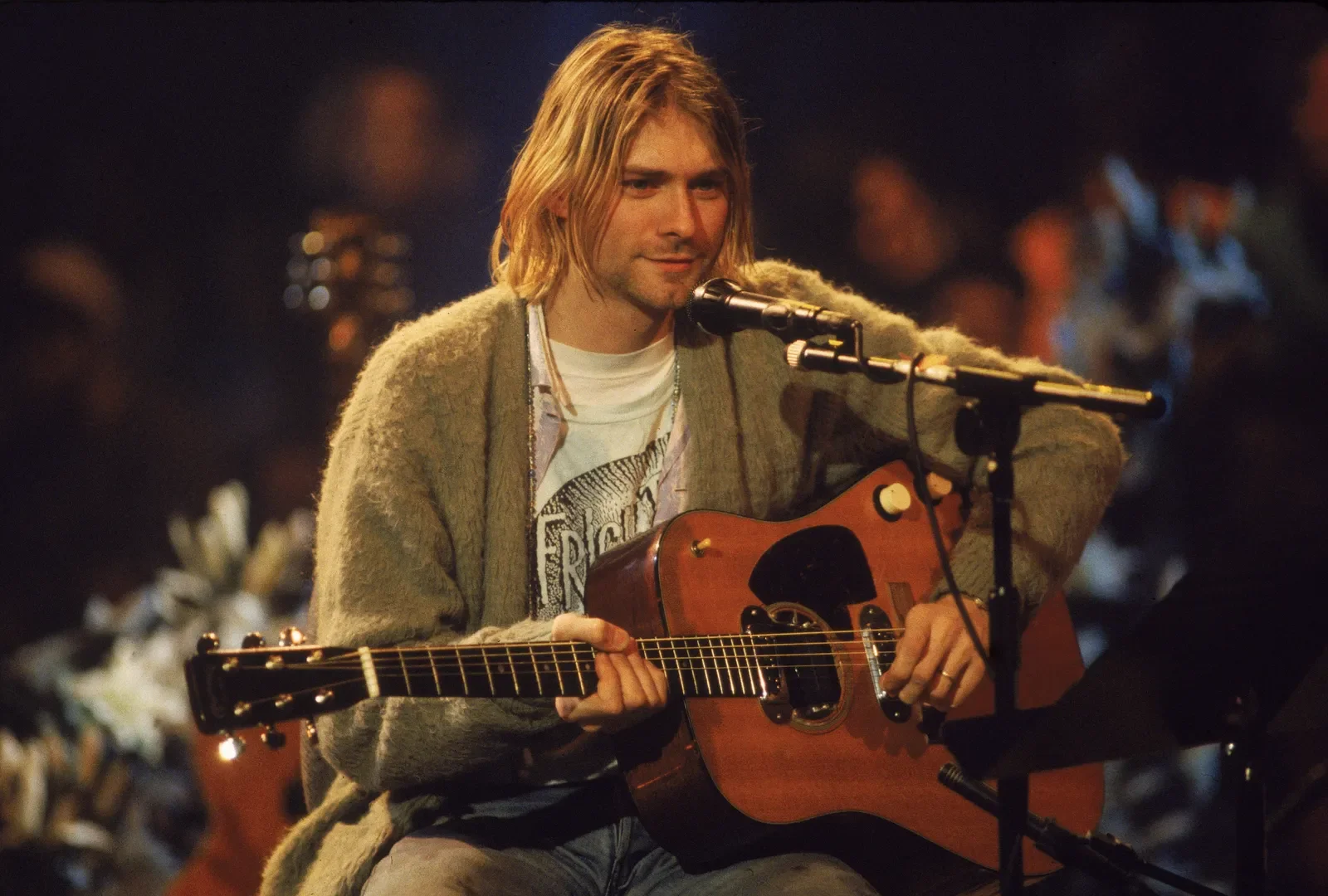
What helped make grunge blow up in the 90s is now acting as a lifeline, keeping its influence alive in modern-day music. While grunge may no longer dominate the charts like it once did, its influence can still be heard across alternative, rock, and even pop music. Artists like Koe Wetzel, Wisp, Highly Suspect, and Cage the Elephant still carry elements of that 90s grunge sound. Cage the Elephant is a great example of this influence, using the quiet verse and loud chorus dynamic associated with 90s alternative rock. Grunge may never reach the same heights it did in the 90s, but its impact can still be heard today.
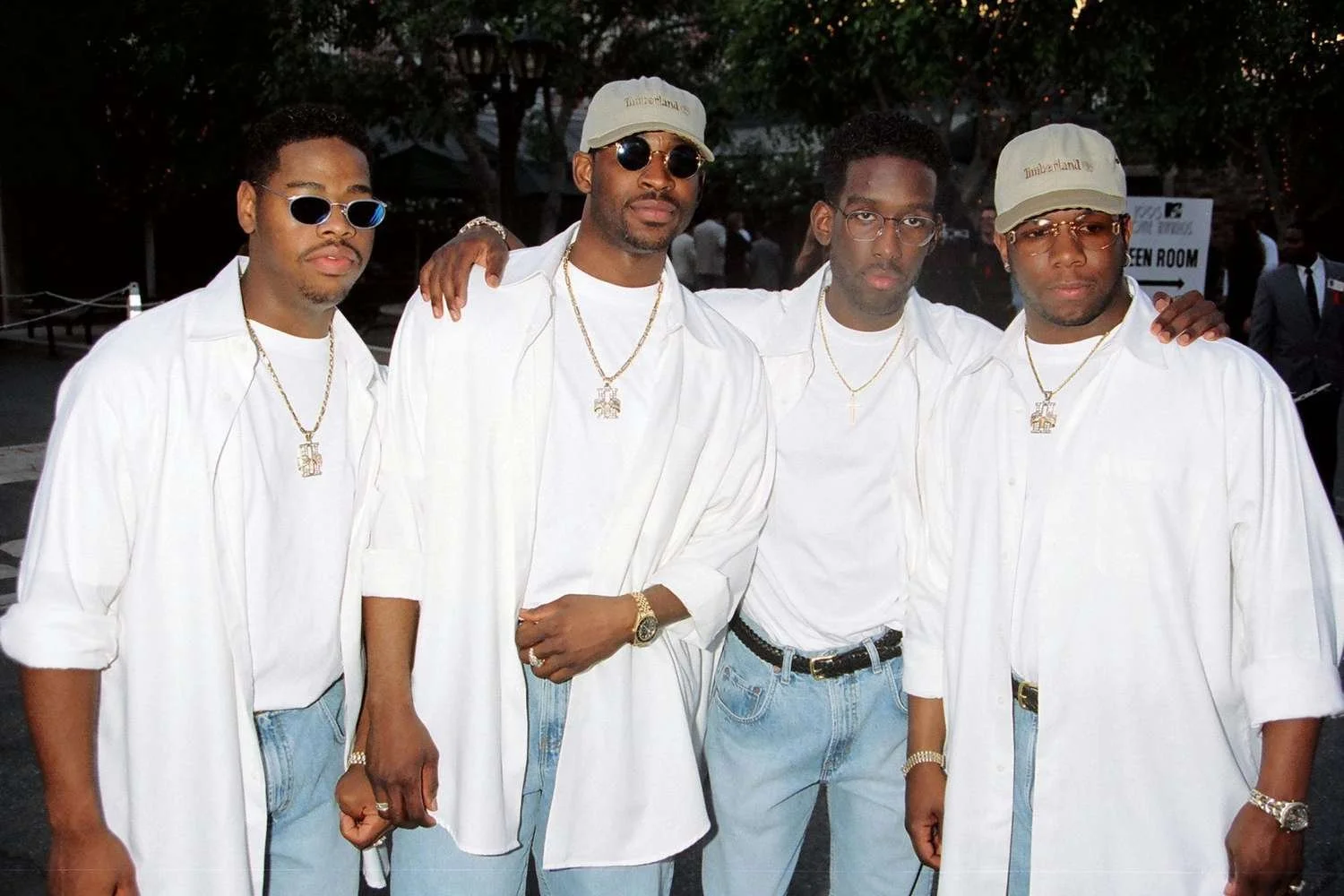
R&B and hip hop became very connected throughout the 90s. 90s R&B helped lay the foundation of the modern R&B we hear today. So this created the fusion of hip hop beats paired with smooth R&B melodies. Throughout the 90s, R&B continued to evolve beyond New Jack Swing, with hip hop soul emerging in the early 90s and Neo Soul developing later in the decade. Along with hip hop and R&B, we also heard layered, almost gospel-sounding harmonies from groups like Jodeci and Boyz II Men.
How did this type of R&B transition into modern music we listen to now? Although 90s R&B may not sound the same as today's R&B, many of those elements remain. The fusion between R&B and hip hop is prominent in modern music. Bryson Tiller is a great example, using both slow and upbeat hip hop beats while also blending those R&B vocals. Another example is Kendrick Lamar and SZA on the song “Luther”, blending the sounds of hip hop and R&B on one track. Artists like H.E.R. and Beyoncé also use those soft vocals and layered harmonies that help amplify their music. Modern R&B has continued to evolve, but many of the elements that helped define the genre in the 90s never disappeared. Instead, artists have continued to build on them and reshape them for new generations.
The 90s may have been over 30 years ago, but the impact is still felt today. Although the sounds and artists have changed over the years, the rulebook and foundations have stayed. Artists now take what that decade created, continuing to evolve it while telling their own stories and making a lasting impact. From hip hop to grunge to R&B, the glimpses of the 90s still show up in music today, even as artists reshape it in their own way. The 90s were not just another decade. They laid the bricks for the music we love today.