
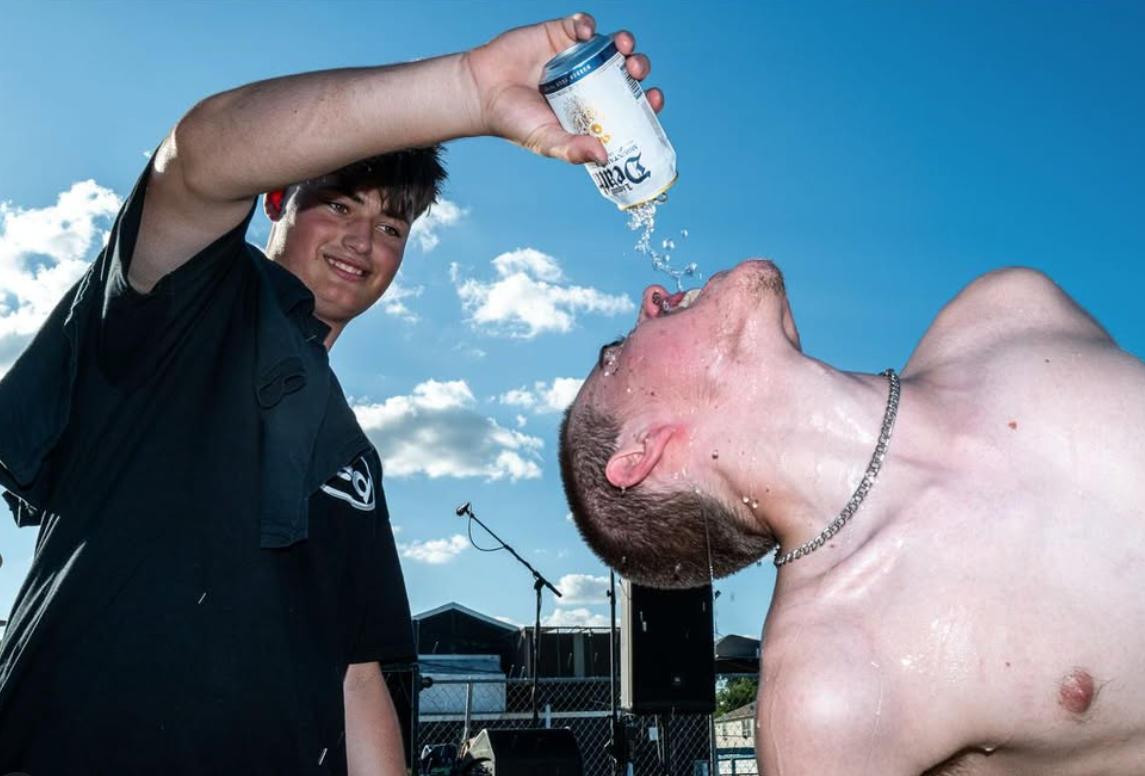
Via Instagram
With today’s generation becoming nostalgic for physical media, a trend called “older brother-core” is an internet aesthetic that relives what it was like living with an older brother in the late 90s to mid 2000s. Think XBOX, VCRs and video games like Call of Duty, GTA and Tony Hawk’s skateboarding series. The “You Wouldn’t Steal a Car” PSA that anyone who’s owned a DVD before remembers.
These images are usually associated with alternative rock bands that Gen X and older Millennials were listening to at the time such as Limp Bizkit, Sum 41, Linkin Park, and much more. If this “older brother” persona could be summed up into one song, it would be “My Own Worst Enemy” by Lit. While newer bands haven’t been able to replicate this sound, Nu Metal and Shoegaze have circled back to modern listeners.
Bands like Bleed and Narrow Head appeal to listeners who are fans of the early days of Deftones and Hum. Although these two bands have their own distinct sound, what they share in common is their blend of late 90s Shoegaze: metal riffs and melodic vocals. Bleed’s tracks, specifically from their Somebody’s Closer EP, sound like something you would hear playing on your older sibling’s radio in their room while they played the latest Tony Hawk game.
Via Instagram
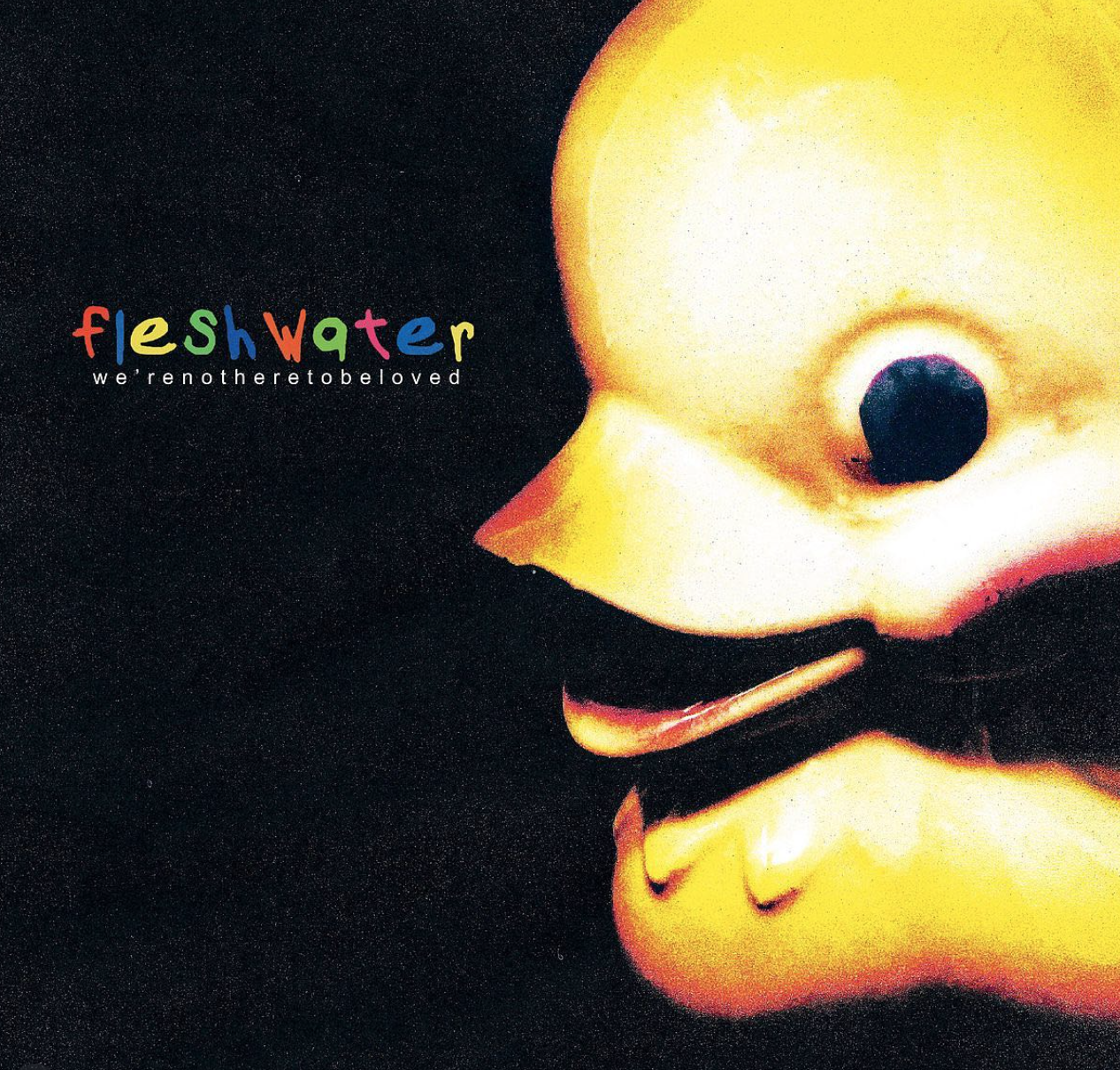
Nu-Gaze and Alternative Metal band Fleshwater can also be added to this category as they are known for their nostalgic 90s sound. The vintage duck toy in the We're Not Here to Be Loved album cover not only became the image of the band but acts as nostalgia bait by giving the cover a “90s kid childhood” feel. The ceramic yellow duck is a nod to Yippy The Chick, a 50s rubber duck made by the Rempel Manufacturing Company.
In the 2010s, Superheaven reimagined 90s Post-Grunge with their distorted guitars and layered vocals. Their sound was somewhat outdated at the time, at least amongst the younger crowd, due to the popularity of Midwest Emo and Post-Hardcore. But ten years later, the band gained traction on social media, appealing to young listeners due to their nostalgic sound.
Their most played track “Youngest Daughter” is one of the earliest songs used in “older brother-core” edits. Even the image of the Jar album cover, a blurry, blue-filtered photograph capturing a smiling young girl in the middle of winter, gives the album a vintage feel. The little girl, as some fans speculate, seems to be a relative of one of the band members. Ironically, even though the track “Youngest Daughter” has been used on “older brother-core” edits, the song talks about the youngest sibling struggling with addiction.
Similar bands from the 2010s Title Fight and Basement also had their early music resurge online. Although Basement originates from the UK, they are sometimes associated with Midwest Emo— a rock genre that is used to describe the distinct feelings of loneliness and isolation caused by living in American midwest states. Title Fight’s early sound– specifically their melodic “Safe in Your Skin” and “Head in the Ceiling” - fits perfectly under that umbrella as well as Post-Hardcore, Pop-Punk, and Indie Rock. The fascination with these 2010s bands is the fact that some of them have either been on a long hiatus or don’t release music anymore, making them all the more nostalgic. Other bands that fit under the “older brother-core” internet trend that are worth mentioning— but are not limited to— are Have Heart, Turnstile, Loathe, Citizen and Whirr.
“Older brother-core” isn’t limited to one rock genre, but it emulates an aesthetic that feels familiar to most people. The micro-trend is used to describe the ‘cool’ oldest brother in a working class family that is either in a band, plays video games, has a rebellious aura about him, or just simply has great music taste.
