
Olivia Rodrigo’s Daisy Chain Fields is Changing the Game
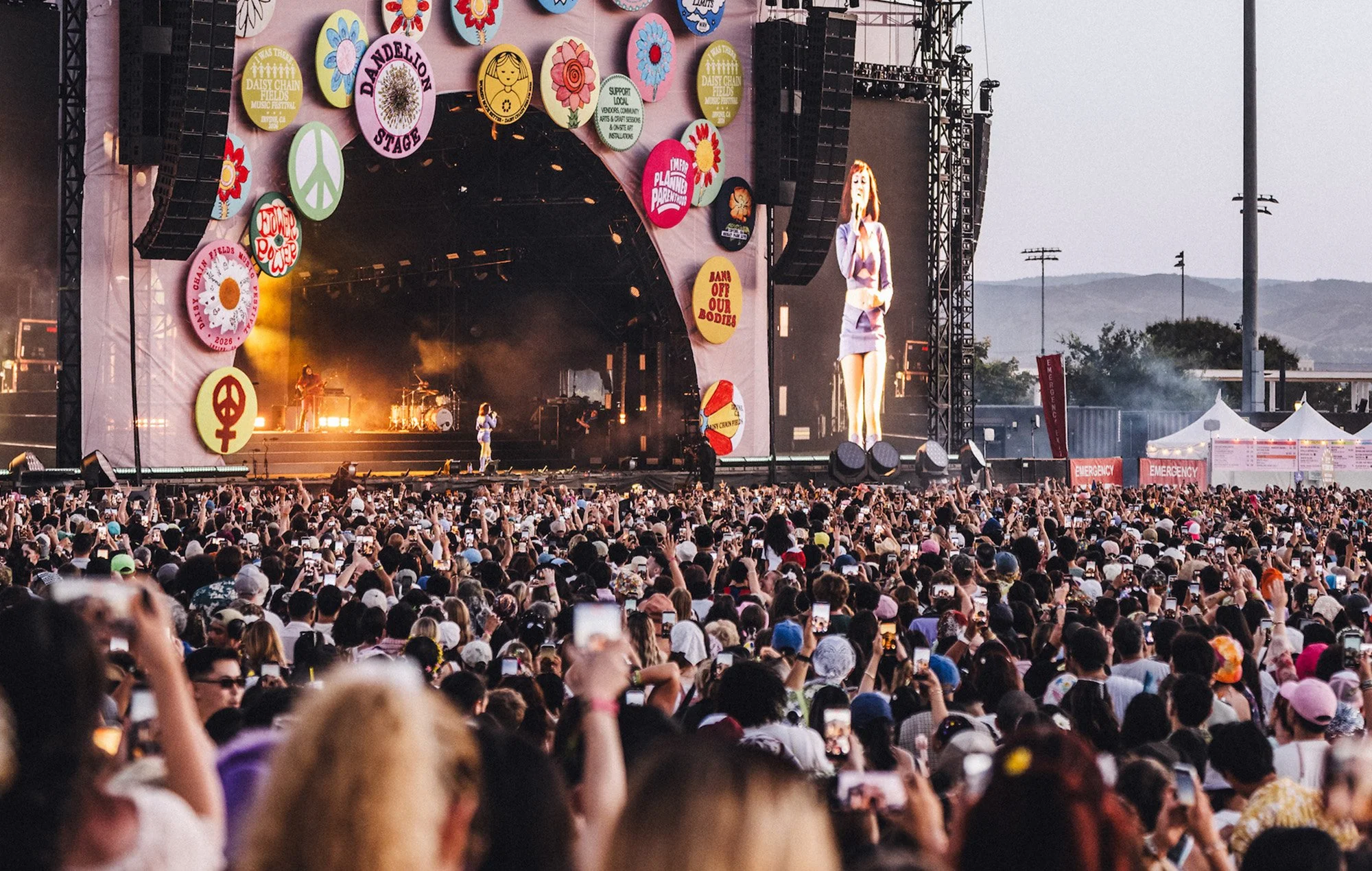
Photo via Dusana Karam
For decades, music festivals have been built around the idea of music bringing people together. Olivia Rodrigo changed the game with her Daisy Chain Fields Festival that took that concept and gave it a purpose that spanned far beyond the music itself.
Held on August 29th at Great Park in Irvine, California, Daisy Chain Fields gathered together an entirely female lineup spanning generations, genres, and stories. Artists including Chappell Roan, Bikini Kill, Doechii, Mitski, Garbage, The Breeders, and Santigold shared the bill, while other legends Sarah McLachlan, Alanis Morrissette, and Stevie Nicks made some special appearances throughout the day. The result was more than just an impressive lineup. It was a true reminder of just how expansive, connected, and influential the history of women in music really is.
The inspiration can be traced back to Lilith Fair, Sarah McLachlan’s groundbreaking festival held in the 1990s that challenged the widespread belief that women could not successfully lead a touring circuit. Daisy Chain Fields felt like a modern continuation of that legacy, bringing the concept into a new generation that is shaped by social media, activism, and an outspoken relationship between artists and their audiences.
Daisy Chain Fields did something that many festivals rarely attempt- it made activism a central part of the experience rather than an afterthought and side comment. The festival spanned one single day and raised $10 million for ten different nonprofit organizations supporting women and girls, with philanthropist and businesswoman Melinda French Gates matching that amount and bringing the total to $20 million. The festival also created opportunities for attendees to engage with organizations working on issues including reproductive rights, health for mothers and new moms, economic security, and gender-based violence.
That impact is what makes Daisy Chain Fields especially significant. Olivia Rodrigo did not only use her platform to speak about issues she cares about- she built an entire space around them. In a time where celebrity activism can often feel limited to social media posts or notes app statements, Daisy Chain Fields transformed it into something tangible. Thousands of fans showed up for the music, but they also left with knowledge oforganizations and causes that extended far beyond the festival.
The event also challenged the traditional structure of the music festival. With artists from different generations sharing the same stages, Daisy Chain Fields created a connection between the women who helped pave the way and the artists currently using their voices. Punk, alternative rock, indie, pop, and hip-hop existed in unity, proving that a festival that was centered around women does not need to fit into one genre or one definition of femininity.
Daisy Chain Fields was a celebration, but it was also a statement. Its success shows that audiences want experiences that feel meaningful alongside being entertaining. Music has always had the power to create community, but Olivia Rodrigo's festival showed what can happen when that community is given somewhere to put its energy and show up.
If Daisy Chain Fields returns in the future, its first year will be remembered as more than just the start of another yearly festival. It could become a blueprint for a different kind of live music experience, one where the lineup is only the beginning, and the impact hangs after the crowd has gone home.
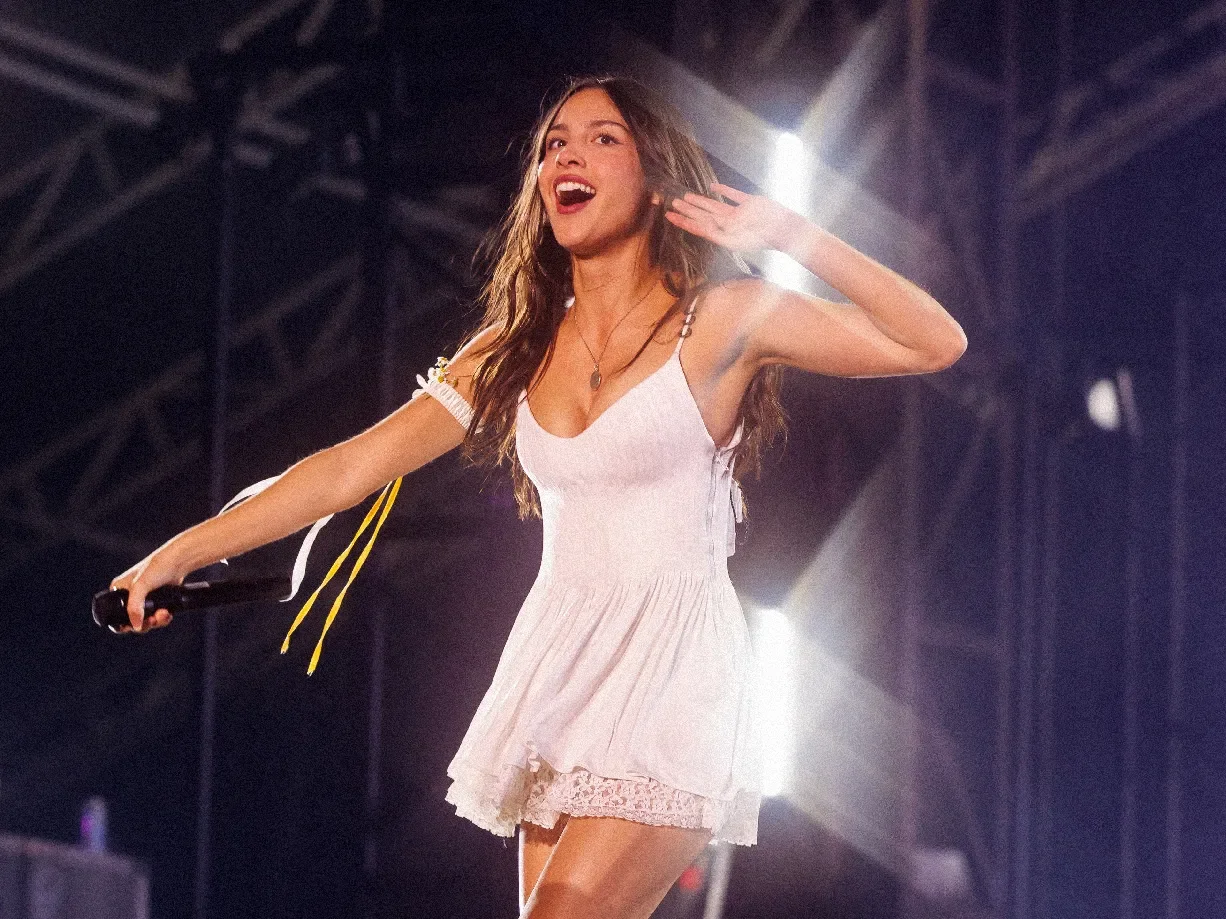
Photo via Christopher Polk
